If you’ve ever walked through a trade show, a retail store, or even a construction site, chances are you’ve spotted vinyl material at work. It’s the go-to for durable banners, vehicle wraps, window decals, trade show graphics, and custom signage because it stands up to UV rays, rain, and regular wear and tear that would make paper or regular cardstock fall apart fast. For years, the only way to get high-quality, full-color prints on vinyl was to rely on old, bulky solvent printers that reeked of harsh chemicals, required constant ventilation, and left prints that took hours to cure. But now, as someone who’s spent the last 12 years selling, supporting, and troubleshooting digital inkjet printers for businesses like yours, the question I hear most often isn’t “What can digital inkjet printers do?”—it’s “Can a digital inkjet printer actually print on vinyl?” Digital Inkjet Printer
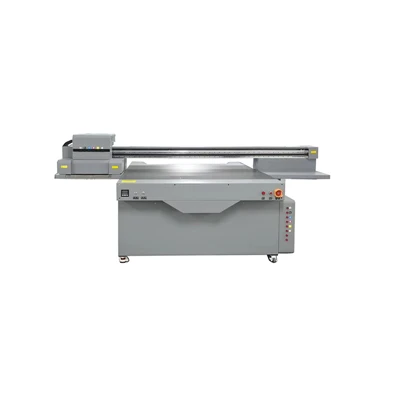
I get why this question is top of mind. Vinyl is a tricky substrate: it’s non-porous, so regular ink just beads up on the surface instead of bonding; it’s flexible, so it can’t handle the high heat that some materials need to cure; and if you don’t use the right ink and setup, prints will fade, scratch off, or crack the second you wrap them around a car door. For the longest time, people wrote off digital inkjet printers for vinyl work, assuming they were only for paper, fabric, or rigid foam boards. But after working with over 500 small and mid-sized print shops to upgrade their workflows, I’m here to tell you: yes, a digital inkjet printer can print on vinyl—and in many cases, it’s a better, more cost-effective option than traditional printing methods.
Let’s break this down, starting with the basics of why vinyl is so stubborn, then how modern digital inkjet technology solves those problems, and finally, what you need to know to make it work for your business. First, let’s set the record straight: not all vinyl is the same, and not all digital inkjet printers are built to handle it. The two biggest types of vinyl you’ll work with are calendered vinyl and cast vinyl. Calendered vinyl is the cheaper, more flexible option made by rolling vinyl through heated rollers; it’s lightweight, easy to cut, and perfect for temporary graphics like trade show banners or seasonal decals. Cast vinyl is thicker, more durable, and holds its shape better, so it’s the go-to for long-term vehicle wraps or outdoor signage that needs to last 5+ years.
Older digital inkjet printers used water-based or dye-based inks, which are designed for porous materials. When you put that ink on smooth vinyl, the surface tension of the vinyl repels the ink droplets, leaving blurry, uneven prints with terrible adhesion. Solvent printers solved that by using harsh, chemical-based inks that etch into the vinyl surface to stick, but they come with huge downsides: they require expensive fume extraction systems that cost thousands of dollars to install and maintain, the inks are volatile so they emit strong odors that can make your shop unlivable, and you have to let prints cure for 24-48 hours before you can use or laminate them, which slows down turnaround times. Plus, many shops have moved away from solvent printers because of environmental regulations limiting chemical emissions.
So what changed? Late-model digital inkjet printers, like the ones we supply to print shops across North America, use UV-curable inks. That’s the game-changer. UV inks are made of polymer resins that stay liquid until they’re exposed to ultraviolet light, at which point they cure instantly, hardening and bonding to the substrate without needing heat or fumes. Here’s why that makes them perfect for vinyl: first, UV inks are designed to adhere to non-porous surfaces like vinyl because their chemical composition bonds to the smooth material, instead of soaking in like water-based inks. Second, because they cure on contact with UV light, you don’t have to wait around—prints are ready to cut, laminate, or apply within minutes of coming out of the printer. Third, modern UV ink formulas are UV-stabilized, so they resist fading for 3-7 years outdoors, which matches the durability of solvent prints and beats water-based inks by a mile.
Now, I’ll be honest: it’s not as simple as just loading a roll of vinyl into any digital inkjet printer. I’ve walked print shop owners through this process hundreds of times, and the number one mistake I see is using the wrong vinyl or wrong settings. First, you need to get the right type of vinyl for your printer. Most digital inkjet printers work best with vinyl that’s specifically labeled as “printable for UV ink” or “inkjet-compatible.” Avoid older heat-transfer vinyl that’s designed for t-shirt presses—those have a coating that can react poorly to UV inks and cause adhesion issues. We always recommend pairing our printers with vinyl from reputable suppliers like 3M or Avery Dennison, which have pre-tested their products to work with UV ink, so you don’t have to waste time and money testing weird combinations.
Next, the settings. Every printer has a media profile—this is a pre-set set of instructions that tells the printer how much ink to lay down, how much UV light to use for curing, and how much pressure to apply to the vinyl. If you don’t select the right media profile for vinyl, you’ll get prints that are too sticky, too thin, or cure unevenly. For example, calendered vinyl is thinner and more flexible, so you want a profile that uses a lighter ink load and lower curing intensity to avoid warping the vinyl. Cast vinyl is thicker and stiffer, so it needs a slightly heavier ink load and a bit more UV light to make sure the ink bonds fully. The good news is that all the digital inkjet printers we sell come with pre-loaded media profiles for over 200 common vinyl types, so you don’t have to spend hours testing and tweaking settings from scratch. We also send a step-by-step setup guide with every machine, plus our team is on call to help if you run into issues.
I should also mention the environmental and cost benefits, because that’s what makes this a no-brainer for most print shops. A few years ago, a customer of mine in Chicago owned a small print shop that specialized in local vehicle wraps and storefront signage. They were running three solvent printers at the time, which were taking up half their shop floor. They were spending $8,000 a year on solvent ink, plus another $5,000 a year on fume extraction filters and maintenance for their ventilation system. When they upgraded to our mid-range UV digital inkjet printer, they were able to retire two of their solvent machines, freeing up space in their shop. Their ink costs dropped by 35% because UV inks go farther than solvent inks, and they eliminated the entire cost of fume extraction—saving them over $12,000 a year, not to mention making their shop a much nicer place to work. Their turnaround times improved too: they used to have to tell customers vehicle wraps would take 5 days to cure, now they can do them in 2 days, because prints are ready to apply right off the printer.
Another common question I get: “Can I use this for small, custom projects too, or is it only for big batches?” The answer is both. Our printers work with rolls as narrow as 12 inches (perfect for small decals or window clings) and as wide as 10 feet (for big billboards or full vehicle wraps). You can print a single custom decal for a local café, or a 100-foot banner for a hardware store sale—all on the same machine. We even have customers who use our printers for unique projects, like custom vinyl flooring graphics for retail stores or temporary vinyl murals for event spaces. The versatility is one of the biggest draws of digital inkjet printing on vinyl, because you don’t need a separate machine for every job.
Of course, there are a few limitations to be aware of, and I won’t sugarcoat those. First, if you need prints that will last more than 7 years outdoors, some high-performance solvent inks still have a slight edge in fade resistance, though UV ink technology has closed that gap a lot in the last five years. Second, if you’re printing very fine details, like small text or tiny logos, you need to make sure your printer has a high enough dpi (dots per inch) rating. All the digital inkjet printers we sell have a minimum 1200×1200 dpi resolution, which is more than enough for even small, crisp details. Third, you can’t use vinyl that’s heat-sensitive with UV-curable digital inkjet printers, but that’s a tiny subset of vinyl products anyway, and we can help you choose the right material if that’s a concern for your projects.
I’ve seen first-hand how this technology has transformed small print shops over the last decade. Ten years ago, the only shops that could do high-quality vinyl printing were the ones that could afford six-figure solvent printers and dedicated ventilation systems. Now, a mid-range digital inkjet printer costs a fraction of that, and you get more flexibility, lower operating costs, and a much better working environment. Last year, I visited a print shop in Detroit that used to turn down 40% of their vinyl jobs because they couldn’t compete on price or turnaround with nearby shops running solvent equipment. After they upgraded to our UV digital inkjet printer, they were able to take all those jobs, and their revenue from vinyl work increased by 70% in 12 months. They even started offering a new service: custom window decals for local restaurants, which they could print and deliver the same day, something their competitors couldn’t match because of solvent curing times.
If you’re still on the fence, let me leave you with this: the biggest myth about digital inkjet printers and vinyl is that they’re a new, untested technology. But UV-curable digital inkjet printing on vinyl has been the standard for commercial and industrial print shops for over 15 years. It’s not a fad, it’s a proven workflow that saves money, speeds up jobs, and produces high-quality results that stand the test of time. The only thing that’s changed is that this technology is now accessible to small and mid-sized businesses, not just big corporations with deep pockets.
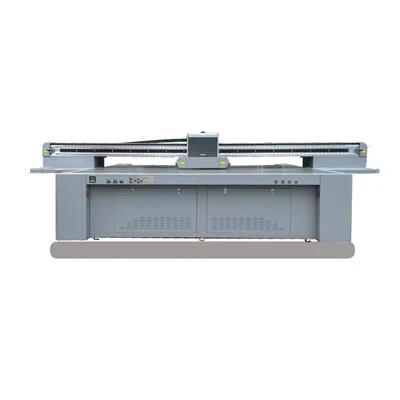
If you’re ready to stop dealing with harsh chemicals, slow turnaround times, and expensive equipment maintenance for your vinyl printing jobs, we can help you find the right digital inkjet printer for your needs. Whether you run a small shop that does occasional vinyl projects or a larger operation that handles hundreds of vinyl jobs a month, we have models that fit your space, your budget, and your workload. To learn more about how a digital inkjet printer can work for your vinyl printing needs, connect with our team to discuss your requirements, compare models, and get a personalized quote. We’ll also walk you through recommended vinyl suppliers, media profiles, and post-printing tips to make sure your first jobs turn out perfect. Don’t settle for outdated printing methods that hold your business back—upgrade to a digital inkjet printer and unlock the full potential of vinyl printing.
Digital Inkjet Printer References
- Wilhelm Imaging Research. (2022). Outdoor Durability of UV-Cured Ink on Vinyl Substrates. Technical Report.
- Printwear and Promotion Magazine. (2021). The Shift to UV-Curable Digital Inkjet Printing for Sign and Graphics Applications. Industry Analysis.
- Avery Dennison Graphics Solutions. (2020). Compatibility of Digital Inkjet Inks with Printable Vinyl Products. Material Science Report.
- International Organization for Standardization. (2019). ISO 12631:2019, Graphic technology – Digital prints for outdoor use – Requirements and test methods.
- Specialty Graphic Imaging Association. (2023). State of the Large Format Printing Industry Report.
Shenzhen Guangyin United Technology Co., Ltd.
With abundant experience, we are one of the most professional digital inkjet printer manufacturers in China. If you’re going to buy high quality digital inkjet printer made in China, welcome to get quotation from our factory. For price consultation, contact us.
Address: 2nd Floor, Building 7, No.3, Liulian Community, Pingdi Subdistrict, Longgang District, Shenzhen, China
E-mail: guangyinlianhe@gmail.com
WebSite: https://www.chinauvprinter.com/
