If you’ve ever walked past a weather-resistant industrial shed, a colorful garden fence that’s stood tall for a decade, or a sleek commercial building facade that still looks vibrant even years after installation, there’s a good chance you’re looking at color coated steel sheet. As a supplier who’s worked directly with contractors, architects, and small business owners across the U.S. for the last 12 years, I get more questions about this product than almost any other material we carry—and the one I hear most often is: Is color coated steel sheet actually suitable for outdoor use? It’s a fair question, too. For anyone investing in an outdoor structure or component, durability, cost, and long-term performance aren’t just nice-to-have features—they’re make-or-break factors. I’ve seen so many people dismiss color coated steel out of hand because of outdated myths, or overspend on materials that are way more heavy-duty than they need, just because they think “outdoor-grade” has to mean one specific thing. Today, I want to break down the science, the real-world results, and the practical reasons why color coated steel sheet is not just suitable for outdoor use—it’s often the best choice for a huge range of outdoor applications. Color Coated Steel Sheet
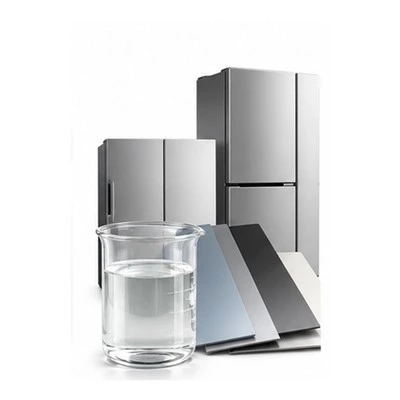
First, let’s get one thing straight: not all color coated steel is created equal. That’s a line I stand by as a supplier, because I’ve spent years vetting the mills we work with, and I’ve seen first-hand how the coating process can make or break a product’s outdoor performance. What we call color coated steel sheet (sometimes called pre-painted steel) is made by taking a steel coil—usually cold-rolled or hot-dipped galvanized steel, which is already coated in a layer of zinc to resist rust—and then applying a decorative, protective paint layer on top in a controlled factory setting, before the steel is ever cut or shaped. Unlike field-painted steel, which you paint after installation, pre-painted steel goes through multiple layers of coating that are cured at high temperatures, creating a bond that’s far more durable than anything you can achieve with a brush or spray gun on-site. That factory application is a game-changer for outdoor use, because it means every inch of the steel gets an even, consistent coat—no missed spots, no thin edges, no paint that runs or chips in places you can’t reach once the structure is up.
Now, the big one for outdoor performance: corrosion resistance. Let’s talk about rust, because that’s the biggest enemy of any outdoor metal. When steel is exposed to moisture, salt, UV rays, and pollution, the iron in the steel reacts with oxygen to form iron oxide, aka rust, which eats away at the metal over time. Color coated steel’s double-layer protection (the zinc galvanization and the paint coat) is designed to stop that reaction before it starts. But not all paint coats are the same. The two most common types of paint we offer for outdoor color coated steel are polyester and PVDF (polyvinylidene fluoride), and each is suited to different environments. Polyester is a cost-effective option that works great for mild climates—think areas with moderate rainfall, average temperatures, and low salt exposure, like most inland U.S. states. It resists chalking (that dull, powdery layer that forms on paint over time) and fading for 5 to 10 years, and it’s perfect for applications like garden fences, shed siding, or outdoor cabinetry. For harsher environments—coastal areas where salt air is a constant threat, industrial zones with high levels of pollution, or areas with extreme temperature swings and heavy UV exposure—we recommend PVDF-coated steel. PVDF is a high-performance fluoropolymer that’s been tested to resist fading, chalking, and corrosion for 20 years or more, even when exposed to salt spray, acid rain, or intense sun. We’ve had customers in Miami, for example, who installed PVDF color coated steel for commercial building facades 15 years ago, and when we did a follow-up visit last year, the paint still looked almost identical to the day it went up—no rust spots, no peeling, no color shift. That’s the kind of performance you don’t get with plain steel, aluminum, or even some types of field-painted metal.
Another common concern with outdoor materials is UV resistance. The sun’s UV rays are brutal on paint: they break down the chemical bonds in paint, causing it to fade, crack, and peel over time. A lot of cheaper paints (like the latex you use to paint your interior walls, for example) will start to fade after just a few years in direct sunlight. But the paint coats on quality color coated steel are formulated specifically for UV resistance, and they’re applied in thin, controlled layers that don’t break down as quickly as thick, uneven field-applied paint. The PVDF and high-grade polyester coatings we source actually include UV stabilizers that absorb or reflect harmful rays, preventing them from penetrating the paint and reaching the steel underneath. I mentioned earlier that Miami customers have had great luck with PVDF, but we also have customers in Arizona, where summer temperatures regularly hit 110 degrees and the sun is intense enough to bake asphalt. One of our clients in Phoenix used our color coated steel to build outdoor shade structures for a local park, and they told me that after 8 years, the blue color is still vibrant—way more so than the wood structures they replaced, which had to be refinished every 3 years to keep from fading. That’s the kind of long-term performance that makes color coated steel a smart investment, not a disposable one.
Wait a second, though—what about when the paint chips or scratches? Let’s be real: no outdoor material is indestructible. If you drop a heavy tool on a steel sheet, or run a fence post into it, you’re going to get a scratch. That’s a valid concern, and it’s one we hear all the time. The good news is that even small scratches don’t have to lead to rust. The zinc layer under the paint acts as a sacrificial anode, meaning that if the paint is scratched and the steel is exposed, the zinc will corrode first, protecting the underlying steel from rust. We’ve tested this in our in-house lab (a perk of working directly with the mills, rather than going through a middleman) by scratching color coated steel sheets and exposing them to a salt spray test for 1,000 hours—equivalent to about 10 years of outdoor coastal exposure. After that time, the scratched areas showed almost no rust, because the zinc had done its job. Compare that to plain steel, which would have started rusting within a few hundred hours of the same test, and field-painted steel, which often develops rust at scratched spots because the paint layer is thin and inconsistent, leaving no sacrificial zinc layer to protect it.
Of course, no conversation about outdoor suitability would be complete without talking about practicality and cost, and that’s where color coated steel really shines. Let’s do a quick cost comparison, because I think numbers make this concrete. A lot of people look at the upfront cost of color coated steel and think it’s more expensive than, say, vinyl or wood. At first glance, that’s true: a sheet of color coated steel might cost $20 to $30 more than a comparable sheet of vinyl. But let’s look at the lifespan. Vinyl fences usually need to be replaced every 15 to 20 years, and they can crack, fade, or become brittle in extreme cold. Wood fences need to be stained or sealed every 3 to 5 years, costing hundreds of dollars in maintenance over their lifespan, and they’re prone to rot, termite damage, and fire risk. Color coated steel, depending on the coating type, will last 20 to 30 years with almost no maintenance. No staining, no sealing, no sanding to cover up scratches. For a customer building a 100-foot fence, that’s a difference of about $5,000 in maintenance over 30 years, plus the cost of replacing a fence twice if they go with vinyl or wood. Add that up, and color coated steel ends up being far more cost-effective in the long run. It’s also lightweight and easy to work with, which means faster installation—another cost saving for contractors who charge by the hour.
I want to be clear, though—color coated steel isn’t the right choice for every single outdoor application. For example, if you’re building a small decorative planter that’s only going to sit on a covered porch, you could probably get away with a cheaper, lower-grade product. For applications that are going to be completely submerged in water 24/7 (like a boat hull), you’d want a specialized marine-grade steel or alloy. But for the vast majority of outdoor uses—siding for residential homes, commercial building facades, warehouse roofing, storage sheds, garden fences, outdoor equipment enclosures, parking garage paneling—color coated steel is more than suitable. I’ve worked with architects who specify it for new low-income housing developments because it’s durable, low-maintenance, and comes in a huge range of colors (we have over 50 standard colors, plus custom options) to match any design. I’ve worked with small business owners who use it for their food truck exteriors, because it’s easy to clean and resists the grease and grime that comes with food service. I’ve worked with farmers who use it for hay sheds and livestock fencing, because it stands up to rough handling from equipment and animals, and doesn’t rot like wood.
One of the most common mistakes I see customers make is choosing the wrong coating for their climate. For example, a customer in Seattle, which has high rainfall and mild temperatures, might think they need the most expensive PVDF coating, but a high-quality polyester will work just fine for their needs, saving them money upfront. On the flip side, a customer in Corpus Christi, Texas, right on the Gulf Coast, can’t get away with a basic polyester—they need the salt resistance of PVDF to avoid rust and fading. My team and I always take the time to ask questions about the project’s location, intended use, and budget to help customers pick the right product, because we don’t want them wasting money on a product that’s overkill, or buying a product that will fail prematurely because it’s not suited to their conditions. That’s part of being a supplier who cares more about long-term customer satisfaction than making a quick sale.
Let’s circle back to the original question: Is color coated steel sheet suitable for outdoor use? Based on 12 years of hands-on experience, lab testing, and thousands of real-world customer projects, the answer is a resounding yes. It’s not a gimmick, it’s not a niche product, and it’s not a second-rate alternative to other outdoor materials. It’s a scientifically engineered material designed to withstand the harshest outdoor conditions, with a proven track record of durability, low maintenance, and long-term cost savings. That said, it’s only suitable when you choose the right type for your specific project, work with a reputable supplier who stands behind their products, and install it correctly (following the manufacturer’s guidelines for cutting, shaping, and sealing edges to avoid exposing raw steel).
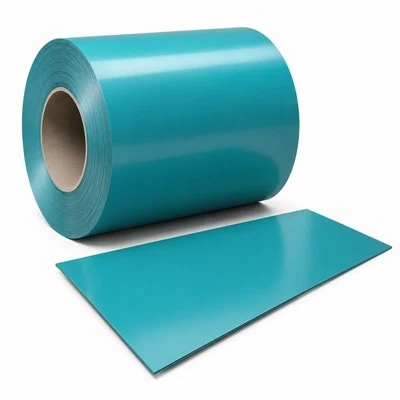
If you’re planning an outdoor project—whether it’s a small backyard shed, a large commercial building, or a custom fence—and you want to learn more about how color coated steel can work for you, my team and I are here to help. We can answer questions about coating types, color options, pricing, and installation tips, and we’ll work with you to find a solution that fits your needs and your budget. Don’t let outdated myths or half-truths steer you away from a material that’s been a reliable workhorse for outdoor projects for decades. Let’s talk through your project today, so you can make a decision that will last for years to come.
Coil Coatings References
- American Iron and Steel Institute. (2021). Pre-Painted Steel: Performance Specifications for Outdoor Applications. Washington, D.C.: American Iron and Steel Institute.
- National Association of Home Builders. (2022). Material Durability for Exterior Residential Construction. Washington, D.C.: National Association of Home Builders.
- Steel Coatings Association. (2020). PVDF vs. Polyester Coatings: Field Performance in Harsh Climates. Chicago, IL: Steel Coatings Association.
- International Organization for Standardization. (2019). ISO 12944: Paints and Varnishes – Corrosion Protection of Steel Structures by Protective Paint Systems. Geneva, Switzerland: International Organization for Standardization.
Ping Yuan Wen Te Industry Co., Ltd.
As one of the most professional color coated steel sheet manufacturers and suppliers in China, we also support customized service. Please feel free to wholesale high quality color coated steel sheet in stock here from our factory. Welcome to contact us for quotation.
Address: Longmen Economic Development Zone, Pingyuan County, Dezhou City, Shandong Province
E-mail: pywente@outlook.com
WebSite: https://www.wenteglobal.com/
