As a supplier of electromagnetic converters, I’ve been asked numerous times about the response time of these remarkable devices. In this blog, I’ll dive deep into what exactly the response time of an electromagnetic converter is, why it matters, and how it can impact various applications. Electromagnetic Converter
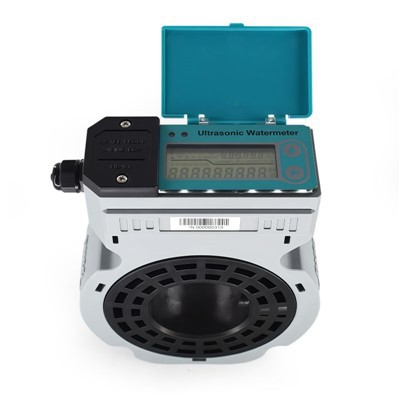
Understanding Electromagnetic Converters
Before we delve into response time, let’s briefly understand what an electromagnetic converter is. An electromagnetic converter is a device that transforms electrical energy into mechanical energy or vice versa through electromagnetic induction. This technology is at the heart of many modern applications, from industrial machinery to consumer electronics.
The basic principle behind an electromagnetic converter involves the interaction between an electric current and a magnetic field. When an electric current passes through a conductor placed in a magnetic field, a force is exerted on the conductor, causing it to move. Conversely, when a conductor moves through a magnetic field, an electric current is induced in the conductor.
Defining Response Time
The response time of an electromagnetic converter refers to the time it takes for the device to respond to a change in input. This could be a change in the electrical input, such as a voltage or current pulse, or a change in the mechanical input, such as a force or displacement.
In practical terms, response time is often measured as the time from the moment the input changes to the moment the output reaches a specified percentage of its final value. For example, in an electromagnetic actuator, the response time might be defined as the time it takes for the actuator to move from its initial position to 90% of its final position after a voltage pulse is applied.
Factors Affecting Response Time
Several factors can influence the response time of an electromagnetic converter. Understanding these factors is crucial for optimizing the performance of the device in different applications.
Electrical Properties
The electrical properties of the converter, such as its resistance, inductance, and capacitance, play a significant role in determining its response time. Resistance affects the current flow in the circuit, while inductance and capacitance introduce delays due to the storage and release of energy in magnetic and electric fields, respectively.
For example, a converter with high inductance will take longer to reach its full current when a voltage is applied, resulting in a slower response time. Similarly, a converter with high capacitance will require more time to charge and discharge, also affecting the response speed.
Magnetic Properties
The magnetic properties of the materials used in the converter, such as the magnetic permeability and coercivity, can also impact the response time. Magnetic permeability determines how easily a magnetic field can be established in the material, while coercivity is a measure of the material’s resistance to changes in magnetization.
Materials with high magnetic permeability and low coercivity can respond more quickly to changes in the magnetic field, resulting in a faster response time. On the other hand, materials with low magnetic permeability and high coercivity will take longer to magnetize and demagnetize, leading to a slower response.
Mechanical Design
The mechanical design of the converter, including its mass, stiffness, and damping, can affect its response time. Mass determines the inertia of the moving parts, while stiffness affects the force required to move the parts. Damping is a measure of the energy dissipation in the system, which can help reduce vibrations and improve the stability of the response.
A converter with a large mass will have a higher inertia, requiring more force and time to accelerate and decelerate. Similarly, a converter with low stiffness will deform more easily under load, resulting in a slower response. On the other hand, appropriate damping can help reduce overshoot and oscillations, allowing the converter to reach its final position more quickly.
Importance of Response Time
The response time of an electromagnetic converter is a critical parameter in many applications. A fast response time can improve the performance and efficiency of the system, while a slow response time can lead to delays, inaccuracies, and even system failures.
Industrial Automation
In industrial automation, electromagnetic converters are used in a wide range of applications, such as robotic arms, conveyor belts, and packaging machines. A fast response time is essential for these applications to ensure precise and efficient operation. For example, in a robotic arm, a fast response time allows the arm to move quickly and accurately to perform tasks such as picking and placing objects.
Automotive Industry
In the automotive industry, electromagnetic converters are used in various systems, including engine control, braking systems, and power steering. A fast response time is crucial for these systems to ensure safe and reliable operation. For example, in an anti-lock braking system (ABS), a fast response time allows the system to quickly adjust the braking force to prevent the wheels from locking up during braking.
Consumer Electronics
In consumer electronics, electromagnetic converters are used in devices such as speakers, headphones, and hard disk drives. A fast response time is important for these devices to ensure high-quality audio and data storage. For example, in a speaker, a fast response time allows the speaker to accurately reproduce the sound waves, resulting in clear and crisp audio.
Measuring and Improving Response Time
Measuring the response time of an electromagnetic converter typically involves applying a step input to the device and measuring the time it takes for the output to reach a specified percentage of its final value. This can be done using various techniques, such as oscilloscopes, data acquisition systems, and sensors.
To improve the response time of an electromagnetic converter, several strategies can be employed. These include optimizing the electrical and magnetic properties of the device, improving the mechanical design, and using advanced control algorithms.
For example, reducing the inductance and resistance of the electrical circuit can help increase the current flow and reduce the time constant of the system, resulting in a faster response. Using high-performance magnetic materials with high magnetic permeability and low coercivity can also improve the magnetic response of the device.
In addition, improving the mechanical design of the converter, such as reducing the mass and increasing the stiffness of the moving parts, can help reduce the inertia and improve the response speed. Using advanced control algorithms, such as proportional-integral-derivative (PID) controllers, can also help optimize the response of the converter by adjusting the input based on the feedback from the output.
Conclusion
In conclusion, the response time of an electromagnetic converter is a crucial parameter that can significantly impact the performance and efficiency of the device in various applications. Understanding the factors that affect response time and implementing strategies to improve it can help ensure that the converter meets the requirements of the specific application.

As a supplier of electromagnetic converters, we are committed to providing high-quality products with fast response times. Our team of engineers and technicians works closely with customers to understand their needs and develop customized solutions that meet their specific requirements.
Ultrasonic BTU Meter If you are interested in purchasing electromagnetic converters or have any questions about response time or other aspects of our products, please contact us for a consultation. We look forward to serving you and helping you achieve your goals.
References
- Grover, F. W. (1946). Inductance Calculations: Working Formulas and Tables. Van Nostrand.
- Kraus, J. D., & Carver, K. R. (1973). Electromagnetics. McGraw-Hill.
- Paul, C. R. (2006). Introduction to Electromagnetic Compatibility. Wiley-Interscience.
Dalian Yheng Technology Co., Ltd.
Dalian Yheng Technology Co., Ltd. is one of the leading electromagnetic converter manufacturers and suppliers in China, also supports customized service. We warmly welcome you to buy high quality electromagnetic converter in stock here from our factory. Contact us for more details.
Address: F1605, NO.10 Huoju road, High-tech Industrial Zone, Dalian, China
E-mail: admin@dlyheng.com
WebSite: https://www.yhengphmeter.com/
