Can oil expellers be used in the bio-fuel production? Oil Expellers

As a supplier of oil expellers, I’ve often been asked about the potential use of our machines in bio-fuel production. The demand for renewable energy sources has been on the rise in recent years, and bio-fuel has emerged as a promising alternative to traditional fossil fuels. This has led to many inquiries regarding whether oil expellers can play a part in this growing industry. In this blog post, I aim to explore the feasibility of using oil expellers in bio-fuel production and discuss the related aspects.
Understanding Oil Expellers
First, let’s briefly understand what oil expellers are. Oil expellers are mechanical devices designed to extract oil from oilseeds such as soybeans, peanuts, rapeseed, sunflower seeds, and more. There are two main types of oil expellers: hydraulic and screw. Hydraulic oil expellers use pressure generated by a hydraulic system to squeeze oil out of the seeds. Screw oil expellers, on the other hand, use a rotating screw to compress the seeds and force the oil out.
The efficiency of an oil expeller depends on several factors, including the type of seeds being processed, the moisture content of the seeds, and the design and quality of the expeller itself. High – quality oil expellers can achieve relatively high oil extraction rates, which is crucial for both commercial oil production and potential bio – fuel applications.
The Basics of Bio – Fuel Production
Bio – fuels are fuels derived from biomass, which can be plants, algae, or even waste materials. The most common types of bio – fuels are bioethanol and biodiesel. Bioethanol is typically produced through the fermentation of sugars or starches from crops like corn, sugarcane, or wheat. Biodiesel, on the other hand, is made from vegetable oils or animal fats through a chemical process called transesterification.
In the context of using oil expellers for bio – fuel production, we are mainly concerned with biodiesel production. The first step in biodiesel production is to obtain the raw material, which is usually vegetable oil. This is where oil expellers come into play.
Feasibility of Using Oil Expellers in Bio – Fuel Production
Raw Material Supply
One of the key advantages of using oil expellers in bio – fuel production is the ability to control the raw material supply. By using an oil expeller, bio – fuel producers can extract oil directly from locally available oilseeds. This reduces dependence on imported oils and provides an opportunity to support local agriculture. For example, in rural areas where there is a surplus of oilseeds like sunflower or rapeseed, a local bio – fuel plant can use an oil expeller to produce its own oil for biodiesel production.
Cost – Effectiveness
Using an oil expeller can also be cost – effective in the long run. While the initial investment in an oil expeller may be significant, the cost savings over time can be substantial. By eliminating the need to purchase pre – extracted oil, bio – fuel producers can reduce their production costs. Additionally, the by – products of oil extraction, such as oilseed cakes, can be sold as animal feed or used for other purposes, generating additional revenue.
Quality Control
Another benefit of using oil expellers in bio – fuel production is the ability to maintain quality control. When producing biodiesel, the quality of the raw oil is crucial. By using an oil expeller on – site, bio – fuel producers can ensure that the oil they use is of high quality and free from contaminants. They can monitor the entire extraction process, from seed selection to oil extraction, to produce oil that meets the specific requirements for biodiesel production.
Challenges and Considerations
Technical Requirements
While oil expellers can be used in bio – fuel production, there are some technical challenges that need to be addressed. For example, the oil extracted by an oil expeller may contain impurities such as gums, free fatty acids, and moisture. These impurities can affect the quality of the biodiesel and may require additional refining steps. Therefore, bio – fuel producers need to have the necessary equipment and knowledge to refine the extracted oil before using it in biodiesel production.
Scale of Production
The scale of bio – fuel production also needs to be considered. Small – scale bio – fuel producers may find it more feasible to use oil expellers, as they can start with a relatively small investment and gradually increase their production capacity. However, large – scale bio – fuel plants may require more sophisticated and high – capacity oil extraction equipment. In some cases, they may choose to purchase pre – extracted oil from large – scale oil refineries to meet their high production demands.
Energy Consumption
Oil expellers consume energy during the extraction process. The amount of energy required depends on the type and size of the expeller. Bio – fuel producers need to consider the energy consumption of the oil expeller and ensure that the overall energy balance of the bio – fuel production process is positive. This means that the energy produced from the biodiesel should be greater than the energy used in oil extraction and the subsequent production steps.
Case Studies
To better illustrate the use of oil expellers in bio – fuel production, let’s look at some real – world case studies.
In a small rural community in Africa, a local cooperative decided to start a bio – fuel production project. They purchased a screw oil expeller and began extracting oil from locally grown peanuts. The extracted oil was then used to produce biodiesel, which was used to power the community’s generators and vehicles. The project not only provided a renewable energy source for the community but also created economic opportunities for local farmers by providing a market for their peanuts.
In Europe, some small – scale bio – fuel producers are using oil expellers to extract oil from rapeseed. These producers value the ability to control the quality of the raw material and the cost – effectiveness of on – site oil extraction. They have found that by using oil expellers, they can produce high – quality biodiesel that meets the European standards.
Conclusion
In conclusion, oil expellers can indeed be used in bio – fuel production, especially in biodiesel production. They offer several advantages such as control over raw material supply, cost – effectiveness, and quality control. However, there are also challenges to overcome, including technical requirements, scale of production, and energy consumption.
For bio – fuel producers, especially those on a small – scale, oil expellers can be a viable option. They can help to establish a more sustainable and self – sufficient bio – fuel production process. As a supplier of oil expellers, we are committed to providing high – quality equipment and technical support to bio – fuel producers.
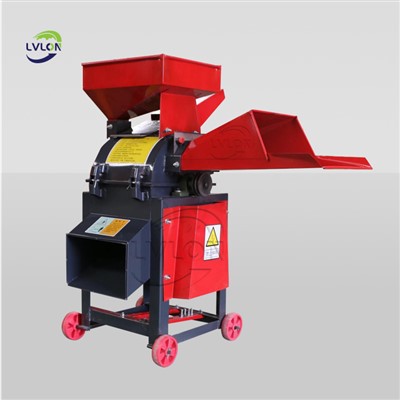
Huller Machine If you are interested in using oil expellers for bio – fuel production or have any questions about our products, we encourage you to contact us for a detailed discussion. We can offer customized solutions based on your specific production needs and help you make the most of this promising technology in the bio – fuel industry.
References
- Smith, J. (2018). Bio – fuel production technologies. Green Energy Press.
- Johnson, A. (2019). Oil extraction methods and their applications. Agricultural Science Journal.
- Brown, C. (2020). The future of renewable energy: Bio – fuels. Energy Research Institute.
Henan Lvlon Industrial Co., Ltd.
Address: Unit 5, 5th Floor, Building 11, No. 18 Dongfeng Road, Jinshui District, Zhengzhou City, Henan Province.
E-mail: lvlonxu@gmail.com
WebSite: https://www.lvlonmachinery.com/
