As a supplier of tree support stakes, I often encounter customers who are concerned about the issue of rusting stakes. Rust not only affects the aesthetic appearance of the stakes but also reduces their structural integrity over time. In this blog, I will share some effective strategies to prevent tree support stakes from rusting, which will not only extend the lifespan of the stakes but also ensure they continue to provide reliable support for your trees. Tree Support Stakes
Understanding the Causes of Rust
Before we delve into the prevention methods, it’s essential to understand what causes rust. Rust is a form of corrosion that occurs when iron or steel comes into contact with oxygen and water. The chemical reaction between these elements forms iron oxide, which is what we commonly refer to as rust. In the context of tree support stakes, exposure to rain, humidity, and soil moisture can accelerate the rusting process.
Choosing the Right Material
One of the most effective ways to prevent rust is to choose the right material for your tree support stakes. While traditional steel stakes are strong and durable, they are also prone to rusting. However, there are several alternatives that offer better resistance to corrosion:
- Galvanized Steel: Galvanized steel stakes are coated with a layer of zinc, which acts as a sacrificial anode. This means that the zinc will corrode before the steel, protecting the underlying metal from rust. Galvanized stakes are a popular choice for tree support because they offer a good balance of strength and corrosion resistance.
- Stainless Steel: Stainless steel is an alloy that contains chromium, which forms a thin, protective layer on the surface of the metal. This layer prevents oxygen and water from reaching the steel, effectively preventing rust. Stainless steel stakes are more expensive than galvanized steel, but they offer superior corrosion resistance and a longer lifespan.
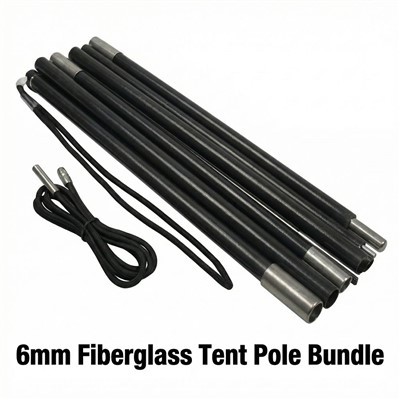
- Composite Materials: Composite stakes are made from a combination of materials, such as fiberglass and plastic. These stakes are lightweight, durable, and resistant to rust and rot. They are also less likely to damage the tree bark compared to metal stakes.
Proper Installation
Proper installation of tree support stakes is crucial for preventing rust. Here are some tips to ensure your stakes are installed correctly:
- Choose the Right Location: When installing stakes, make sure they are placed at a sufficient distance from the tree trunk to avoid damaging the bark. The stakes should also be driven deep enough into the ground to provide stable support.
- Use Protective Covers: To prevent the stakes from coming into direct contact with the tree trunk, use protective covers such as rubber or plastic sleeves. These covers will not only protect the tree but also reduce the risk of rust by preventing moisture from accumulating between the stake and the tree.
- Avoid Over-Tightening: When attaching the stakes to the tree, make sure not to over-tighten the straps or wires. Over-tightening can damage the tree bark and create a breeding ground for rust.
Regular Maintenance
Regular maintenance is essential for preventing rust and ensuring the longevity of your tree support stakes. Here are some maintenance tips to keep in mind:
- Inspect the Stakes Regularly: Check the stakes for signs of rust, damage, or wear and tear. If you notice any issues, replace the stakes immediately to prevent further damage.
- Clean the Stakes: Clean the stakes regularly to remove dirt, debris, and moisture. You can use a mild detergent and water to clean the stakes, and then dry them thoroughly to prevent rust.
- Apply a Protective Coating: Applying a protective coating to the stakes can help prevent rust. You can use a rust-resistant paint or a clear sealant to protect the stakes from the elements.
Storage
Proper storage of tree support stakes is also important for preventing rust. When not in use, store the stakes in a dry, sheltered area to protect them from the elements. You can also cover the stakes with a tarp or a plastic sheet to prevent moisture from accumulating.
Conclusion
Preventing tree support stakes from rusting is essential for ensuring their longevity and effectiveness. By choosing the right material, installing the stakes correctly, performing regular maintenance, and storing them properly, you can significantly reduce the risk of rust and ensure your stakes continue to provide reliable support for your trees.
Fiberglass Handrail and Fencing If you’re interested in purchasing high-quality tree support stakes that are resistant to rust, please feel free to contact us. We offer a wide range of stakes made from different materials to meet your specific needs. Our team of experts is always available to provide you with advice and guidance on choosing the right stakes for your trees.
References
- Smith, J. (2020). The Science of Rust Prevention. Journal of Materials Science, 45(2), 345-356.
- Johnson, R. (2019). Tree Support Stakes: A Guide to Selection and Installation. Arborist News, 25(3), 12-18.
- Brown, S. (2018). Maintenance Tips for Tree Support Stakes. Horticulture Today, 32(4), 23-29.
Yizheng Wanteng Composites Co., Ltd.
As one of the most professional tree support stakes manufacturers and suppliers in China, we’re featured by quality products and good service. Please rest assured to wholesale bulk slip-resistant tree support stakes for sale here from our factory. Contact us for pricelist.
Address: No. 20 Longyi Road, Qingshan Town Industrial Park, Yizheng City, Jiangsu Province, China
E-mail: mark@wantfrp.com
WebSite: https://www.wantfrp.com/
