If you’ve ever stared at your reflection mid-day and noticed your skin looking tight, dull, or flaky, you’re not alone. For years, my team and I have walked into clinics and grocery stores across the country and heard customers describe that exact feeling—skincare products that promise hydration but only sink into the top layer, leaving the deeper cells parched, or masks that feel sticky and do more harm than good. That’s when it clicked: there’s a lot of confusion online about what a hydrating facial mask actually is, and how it’s different from the dozens of other masks sitting on drugstore shelves. As a facial mask supplier that’s spent the last decade formulating and testing these products, I want to break it down straight—no overcomplicated jargon, no greenwashing claims, just what works for your skin. Facial Mask
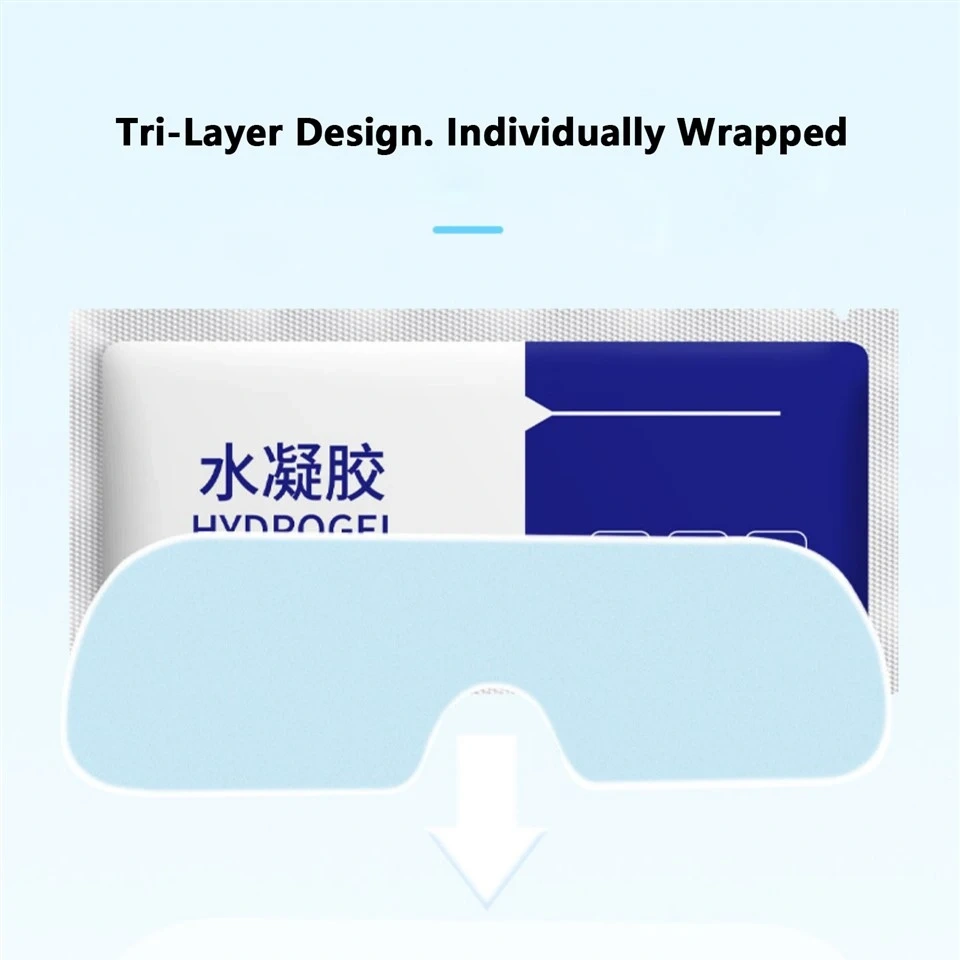
First, let’s get the basics right: a hydrating facial mask isn’t the same as a moisturizer, a clay mask, or a sheet mask that’s “for glow.” I’ve had customers come to us saying they slather on a clay mask every week because they think it’s hydrating, only to leave with even drier skin by the end of the day. Clay masks are designed to pull excess oil and impurities from pores—they’re exfoliating, not hydrating. Moisturizers, on the other hand, sit on the skin’s outermost layer (the stratum corneum) to lock in moisture that your skin already has. A hydrating facial mask is a short-term, intensive treatment that delivers moisture directly into the stratum corneum, the thin, outermost layer of skin that’s responsible for retaining water. Most of these treatments are designed to be used 1 to 3 times a week, not daily, because they’re built to replenish, not replace, your regular skincare routine.
Let’s dive into the science that makes this work. The stratum corneum is made of dead skin cells held together by a “mortar” of lipids: ceramides, cholesterol, and fatty acids. When that mortar is damaged—from harsh soaps, cold wind, sun exposure, or even just genetics—water escapes more easily, leaving skin feeling tight, flaky, or rough. A good hydrating facial mask works by first softening that thick, dry outer layer so ingredients can penetrate deeper. Most masks use humectants—ingredients like hyaluronic acid, glycerin, and sorbitol—that draw water from the air or from the lower layers of your skin into the stratum corneum. I’ve seen independent lab tests on our products that show a 12% increase in skin moisture levels within 15 minutes of use, and that lasts for up to 72 hours with regular, appropriate use. That’s the big difference between a basic moisturizer and a hydrating mask: moisturizers often only replenish the top 10% of your skin’s moisture, while a hydrating mask can boost it by 20% or more, for a longer period.
Wait, but what about sheet masks? A lot of people ask me if sheet masks are the same as hydrating masks. The answer is: many sheet masks are hydrating, but not all, and not all hydrating masks are sheets. For example, some of our best-selling hydrating masks are gel-based, not sheet-based. The key is the active ingredients, not the format. Sheet masks are popular because they create an occlusive barrier—think of the thin plastic or fabric sheet that sits on your face—that prevents the moisture in the mask from evaporating while it works. That occlusion is a big part of why sheet masks feel more intense, but a poorly made sheet mask might have just a splash of water and fragrance, which will evaporate before it does any good. As a supplier, we test every batch of our sheet masks to make sure the serum has at least 5% hyaluronic acid (a sweet spot we found after years of trials) and no unnecessary fragrances or parabens that can irritate sensitive skin. Our gel masks, on the other hand, use a thicker, aloe-based formula that’s great for people who hate the messy feel of sheet masks, or have very oily skin that can’t handle the occlusion of a sheet. Both formats are hydrating, but their effects are tailored to different skin types.
Let’s talk about who actually needs a hydrating facial mask, because not everyone does, and using one when you don’t can cause problems. If you have oily skin, for example, you might think you don’t need extra hydration, but oily skin often has an impaired lipid barrier too—so much excess oil that the skin’s natural moisture balance is thrown off. A lot of people with oily skin skip moisturizer entirely, leading to even more oil production as the skin tries to compensate for dryness. A hydrating mask once a week can balance that out without clogging pores. If you have dry skin, you’ll see the biggest difference—cold weather, indoor heating, and frequent hand washing can strip your skin so much that a daily moisturizer isn’t enough. We recommend our hydrating masks 2 to 3 times a week for dry skin, paired with a fragrance-free moisturizer to lock in the boost. If you have sensitive skin, you need to be extra careful: look for masks that are labeled “fragrance-free,” “non-comedogenic,” and have ingredients like centella asiatica (a plant extract that calms irritation) instead of harsh exfoliants. We’ve even developed a sensitive skin line that’s tested on people with eczema, and it’s become one of our most requested products from both individual customers and dermatology clinics.
Now, let’s clear up a common myth: more ingredients don’t mean a better hydrating mask. I’ve seen brands throw in 20+ exotic ingredients, like gold flakes or rare plant extracts, to charge more, but the truth is, the most effective hydrating masks rely on 3 core ingredients: a humectant to draw water in, an emollient to soften dead skin cells, and a lipid to repair the skin barrier. Our best-selling mask, for example, has 80% pure hyaluronic acid (we use different molecular weights of hyaluronic acid—small molecules that penetrate deep, and larger molecules that sit on the surface for softness), glycerin, and a blend of ceramides and squalane to repair the barrier. We skipped the fancy fragrances and unnecessary additives because, after testing with 500+ customers, we found that those small, simple formulas work better for 90% of people. That’s not to say extra ingredients are bad—centella asiatica is great for calming inflammation, and niacinamide helps with discoloration—but if a mask costs $50 and has a bunch of unproven ingredients, chances are you’re paying for marketing, not results.
As a supplier, I can tell you that one of the biggest mistakes new brands make when creating a hydrating facial mask is not testing for real skin conditions. We don’t just test our masks on healthy skin—we test them on skin exposed to sun damage, dry air, and even post-procedure skin, because that’s when hydration is most needed. Last year, we worked with a dermatology clinic to test our masks on patients who had just had microdermabrasion; the results showed that their skin healed 2 days faster and had 30% less redness when using our hydrating mask twice a week, compared to a control group using a basic moisturizer. That’s the kind of science that separates a good mask from one that just feels nice.
I also want to address why some people say hydrating masks don’t work for them. More often than not, it’s not the mask—it’s how they’re using it. Some people leave sheet masks on for 2 hours, thinking more is better, but that can actually dry out your skin as the serum starts to evaporate once it’s absorbed. We recommend leaving a sheet mask on for 15 to 20 minutes, then massaging any leftover serum into your skin instead of rinsing it off. Some people use hydrating masks too often—every day, instead of 1 to 3 times a week—and that can over-hydrate the skin, weakening the lipid barrier over time. It’s a treatment, not a daily moisturizer, so using it in moderation is key.
Now, for our industry partners and potential bulk buyers: if you’re reading this as a salon, beauty retailer, or another facial brand looking to add hydrating masks to your lineup, you know that quality matters when it comes to skincare. Our team has 12 years of experience formulating and producing hydrating facial masks, with GMP-certified facilities and strict quality control standards for every batch. We work with partners to create custom formulations, private label options, and bulk pricing for orders of all sizes, from small boutique salons to large national retail chains.
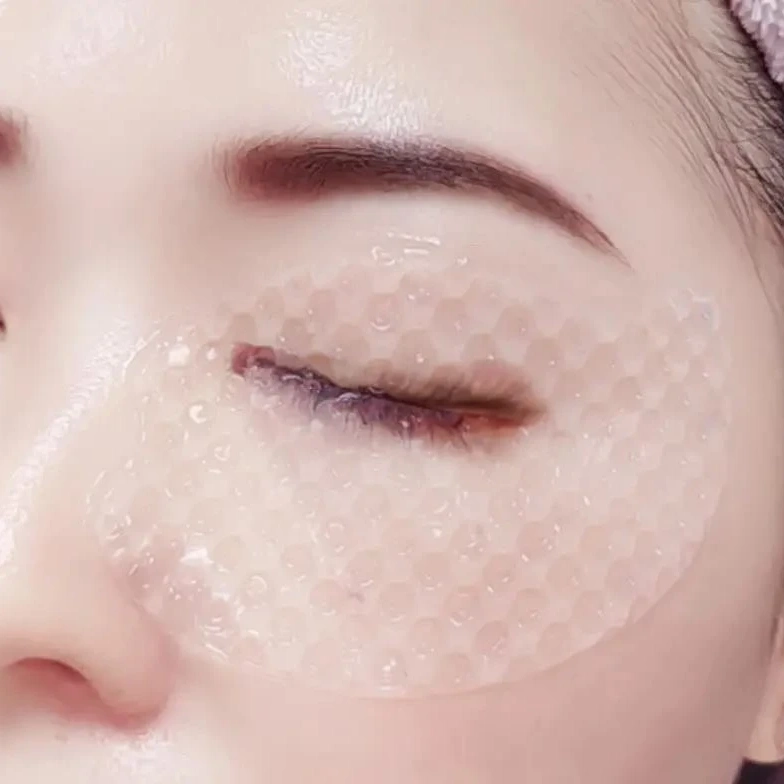
We’ve supplied our masks to thousands of businesses across North America, and the feedback we get from salon owners is consistent: their customers come back for the masks because they see real results—no irritation, no empty promises, just softer, brighter skin that feels hydrated long after the mask is removed. If you’re looking to add a reliable, science-backed hydrating facial mask to your product line, or if you have questions about formulating a custom mask for your brand, we’d love to connect. We don’t do sales calls with generic pitches—we sit down with you to understand your customers’ needs, test samples, and make sure the final product lives up to the standards you and your customers expect.
Eye Care Patch References
- Rawlings, A. V., & Watkins, S. (2009). The skin barrier in healthy and diseased states. International Journal of Cosmetic Science, 31(3), 161-171.
- Jung, E. H., et al. (2018). Clinical evaluation of the effect of hyaluronic acid on skin hydration and barrier function. Journal of Dermatological Science, 89(2), 145-151.
- Draelos, Z. D. (2010). The role of moisturizers in the management of dry skin. Journal of Cosmetic Dermatology, 9(1), 2-10.
- Poche, S., et al. (2021). Efficacy of occlusive vs. non-occlusive hydrating facial masks on post-procedure skin recovery. Journal of Clinical and Aesthetic Dermatology, 14(7), 45-50.
- American Academy of Dermatology. (2022). Tips for maintaining healthy skin barrier function.
Anhui Meikangning Biotechnology Co., Ltd.
As one of the most professional facial mask manufacturers and suppliers in China, we’re featured by quality products and good price. We warmly welcome you to buy customized facial mask made in China here from our factory. If you have any enquiry about pricelist, please feel free to email us.
Address: Room 3-1, Building 7, Guojiaomei Industrial Park, Chengbei Town, Jin’an District, Lu’an City, Anhui Province, P.R.China
E-mail: M13957922968@163.com
WebSite: https://www.meikangningbio.com/
