If you’ve ever stood next to a rumbling long-haul semi, watched it pull up to a pump, and wondered how that massive machine runs on fuel that looks nothing like diesel, you’ve probably thought about LNG refueling stations. And here’s the thing—they’re not all the same. As someone who’s been in the LNG refueling station game for over 10 years, I’ve seen first-hand how one size doesn’t fit when you’re powering everything from local delivery vans to cross-continental rigs. Let’s break down the different types, how they work, and why picking the right one isn’t just a “nice to have”—it’s make-or-break for your fleet. LNG Refueling Station
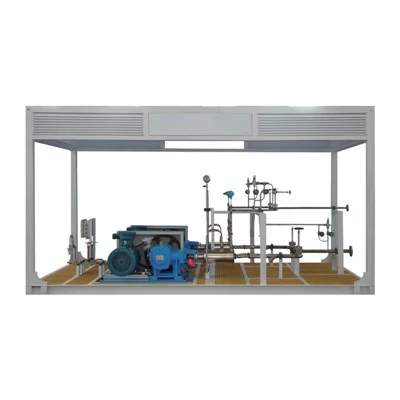
First, let’s get the basics straight. LNG (Liquefied Natural Gas) is natural gas cooled down to -162°C, which turns it into a super-cold liquid that’s way denser than gas in its gaseous form. That’s why a semi can go 500+ miles on a single tank, instead of the 100 or so you get from a small CNG (Compressed Natural Gas) setup. But that storage and density is why the refueling stations have to be specific, too.
The most common type I run into is the Truck-Mobile LNG Refueler—wait, no, everyone just calls them mobile stations. Yeah, that’s the shorthand. These aren’t permanent buildings you see at a truck stop. They’re basically big, insulated trailers mounted on a flatbed, with their own LNG storage tank, pump, and even a small refrigeration unit to keep the gas cold on the move. You’d use these for temporary projects, right? Like if a construction company is working on a 6-month highway expansion and has 20 new LNG-powered dump trucks, or if you’re setting up a pop-up event with a bunch of LNG generators for power. I once worked with a film crew that was shooting on location in the middle of the Arizona desert—no grid power, no permanent stations nearby, so we towed a mobile refueler in, set it up in their staging lot, and they were good to go for the whole 4-month shoot.
The cool part about mobile stations is they’re plug-and-play. You don’t have to pour concrete, get 10 permits, or wait 6 months for installation. We can hook one up in a day, max. The downside? They’re not made for constant, high-volume use. If you’ve got a fleet of 50 semis coming in every hour at a busy truck stop, a mobile station can only pump so much at once—usually 50 to 100 gallons per minute, tops. And you can’t leave them unattended 24/7, mostly because they need a quick check-in every few hours to make sure the pressure doesn’t get too high or the lines don’t frost over. They’re perfect for short-term, low-to-medium volume jobs, but not for your core long-haul fleet hubs.
Next up, the Semi-Permanent LNG Station. These are the middle ground, and they’re my bread and butter. They’re not a tiny trailer, but they’re also not a huge, custom-built facility with multiple pumps and a 10,000-gallon tank. Think of them as a step up from mobile but less intense than the big stations you see at major interchanges. A semi-permanent station has a fixed, above-ground storage tank (usually between 5,000 and 20,000 gallons) that’s insulated with polyurethane foam or vacuum panels to keep the LNG cold, plus 1 or 2 refueling pumps that can pump 100 to 200 gallons per minute. We install these in 2 to 3 weeks, as opposed to a permanent station that takes months.
Who uses these? Mostly local freight companies or small to mid-sized trucking firms that run 30 to 100 LNG-powered trucks, usually on routes that don’t need the 24/7, 10-pump setup of a major interstate stop. For example, a beverage delivery company that runs routes between Chicago and Detroit—they don’t need to refuel 20 semis at once, but they need a station that’s there every day when their drivers come back to the yard. We also work with municipal transit authorities here. A bus fleet that runs on LNG can use a semi-permanent station at their depot to refuel 50 or 60 buses overnight, so they’re ready to go the next morning. The big plus here is they’re cheaper than permanent stations, but still reliable enough for daily use. The tradeoff is they don’t handle extreme peaks well—if a local holiday has a surge in deliveries, a semi-permanent station might get backed up for an hour or two.
Now, the big boys: Permanent LNG Refueling Hubs. These are the ones you see off major interstates, like I-95 or I-40, where semis pull up in a line, 5 or 6 pumps going at once, and a storage tank that’s 50,000 gallons or more, often buried underground for safety. These are built for high-volume, 24/7 use, with multiple refueling points, maybe even a convenience store or a diesel pump right next to it for drivers who still run on traditional fuel. A lot of these hubs also double as LNG distribution centers, too—they might send excess LNG via tanker to smaller stations in the area, or even to industrial clients that use LNG for power.
We don’t install as many of these as semi-permanent, mostly because they need more permits, more infrastructure (like separate electrical systems for the refrigeration units, safety barriers around the tanks, leak detection sensors that go straight to a 24/7 monitoring center), and a higher upfront cost. But for a major logistics company with 500 or 1,000 cross-country semis, it’s worth it. They can pump 200 to 300 gallons per minute, so you don’t have to wait more than 10 minutes to fill a tank, and they’re designed to run non-stop—even in the middle of a snowstorm or a heatwave. The only downside? If you don’t have the volume to support it, it’s a money pit. A permanent station that’s only being used at 30% capacity isn’t making back the investment, so we never recommend them for small fleets.
Wait, there’s one more type I should mention—LNG Bunkering Stations for marine use. Yeah, LNG isn’t just for trucks. A lot of cargo ships and ferries are switching from heavy fuel oil to LNG to cut emissions, and they need special refueling stations that can dock at ports and transfer LNG directly to the ship’s tanks. These are way different from truck stations—they have flexible hoses that can reach a ship’s bunkering ports, weather-resistant pumps that work in rough seas, and massive storage tanks (some hold millions of gallons) because ships need way more fuel than a semi. I worked on a bunkering project in the Port of Houston a few years back, and let me tell you, that’s a whole different ballgame. You can’t just park a truck next to a boat and hook up a hose—you have to coordinate with port authorities, make sure the pressure and temperature of the LNG match what the ship needs, and have safety protocols that are strict enough for a 1,000-foot vessel. It’s not something you’d set up for a small local business, but it’s a huge growing part of the LNG industry.
Now, why does all this matter? I’ve seen so many companies make the mistake of buying a permanent station when they only have 20 trucks, or bringing in a mobile refueler for a fleet of 100 semis. It doesn’t just waste money—it leads to downtime, frustrated drivers, and even safety issues if the station isn’t set up for the load it’s handling. For example, if you have a high-volume fleet using a tiny mobile station, the pump might overwork, leading to leaks or pressure problems that you wouldn’t have with a properly sized semi-permanent or permanent station.
Another thing that a lot of people don’t talk about is the hidden costs. A mobile station needs to be transported to and from locations every time you move it, which adds up in fuel and labor. A semi-permanent station needs regular maintenance checks, like every 3 months, to make sure the insulation is holding and the pumps are working. A permanent station has higher utility bills because the refrigeration units run 24/7 to keep the LNG at -162°C. When we work with clients, we don’t just sell them a station—we walk through their fleet size, their routes, how often they refuel, and their long-term plans, to pick the right type.
Let’s also touch on safety, because that’s non-negotiable with LNG. Every type of station has safety features, but they vary. Mobile stations have automatic shut-off valves that trigger if there’s a leak, because they’re often operating in temporary, less controlled spaces. Permanent stations have fire suppression systems, leak detection sensors all around the tank and pump area, and even secondary containment to catch any LNG that might spill. We train every client’s staff on these safety protocols, no matter what type of station they get—even the mobile ones, which a lot of people assume are “safer” because they’re smaller, but still have risks if you don’t handle them right.
I’ve been in this industry long enough to see LNG go from a niche fuel for a handful of experimental trucks to a mainstream option for logistics and transit. And one thing that hasn’t changed is that the right refueling station is the backbone of any LNG-powered fleet. If you’re just starting out with a small delivery fleet on local routes, a semi-permanent station might be your sweet spot. If you’ve got a temporary construction project or a movie shoot, mobile is the way to go. If you’re a major logistics company running cross-country semis, you need a permanent hub. And if you’re working in marine or industrial sectors, you’ll need the specialized bunkering or high-capacity stations.
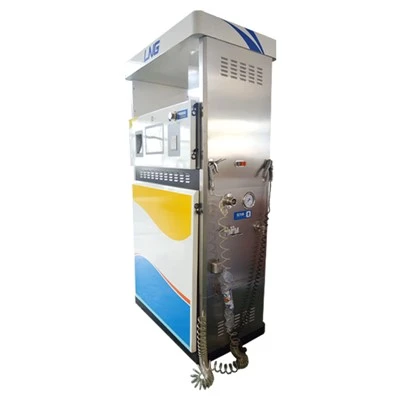
Here’s the thing—you don’t have to figure this out alone. I’ve worked with hundreds of different fleets, from 10-truck local delivery companies to 1,000-truck cross-country operators, and I know how to break down which type works for your specific needs. If you’re looking to switch your fleet to LNG, or you’re ready to upgrade your refueling setup, hit me up to chat through your options. No pressure, no sales pitch—just honest advice from someone who’s been in the trenches with LNG stations for over a decade. Let’s figure out what works for you, no guesswork required.
Vacuum Hot Water Boiler References:
- U.S. Energy Information Administration. (2023). Liquefied Natural Gas (LNG) for Transportation.
- National Fire Protection Association. (2022). NFPA 59A: Standard for the Production, Storage, and Handling of Liquefied Natural Gas (LNG).
- International Association of Ports and Harbors. (2021). LNG Bunkering Guidelines for Coastal Ports.
- Natural Gas Vehicle Coalition. (2023). LNG Refueling Station Types and Use Cases.
Xinxiang Huayuan Container Equipment Co., Ltd.
With abundant experience, we are one of the most reliable LNG refueling station manufacturers and suppliers in China. We warmly welcome you to buy durable LNG refueling station made in China here from our factory. If you have any enquiry about cooperation, please feel free to email us.
Address: No.2, South Road, Industrial Cluster Zone, Genghuang Township, Fengquan District, Xinxiang City, Henan Province
E-mail: cncd527@gmail.com
WebSite: https://www.huayuanequipment.com/
