If you’ve ever packed a picnic for a mountain day trip, you’ve probably faced that last-minute dilemma: do I bring single-use plastic utensils that’ll blow off the trail and harm the ecosystem, or heavy metal cutlery that adds unnecessary weight to my pack? For years, I’ve heard customers ask me if wooden cutlery is a practical, responsible choice for mountain picnics—and as a supplier who’s spent years refining wooden cutlery for outdoor use, I can tell you the answer is yes, but there are a few key factors to get right. Wooden Cutlery

First, let’s cut through the myth that all wooden cutlery is flimsy or unfit for outdoor environments. Early prototypes I made years ago were too thin, prone to splintering after a few uses, and couldn’t hold up to thick, saucy mountain meals like spicy chili or creamy pasta. That’s why I worked with forestry researchers to source the right wood—one that’s durable, water-resistant, and lightweight enough for backpacks without compromising strength. We settled on birch and maple, both hardwoods with a tight grain that doesn’t absorb moisture as easily as softer woods like pine or cedar. Softwoods splinter much faster when exposed to temperature swings (common in mountains, where mornings are cool and afternoons can be warm) and rough use, so hardwoods are non-negotiable for mountain trips.
Next, let’s talk about why wooden cutlery outperforms plastic and even metal in many mountain-specific scenarios. Plastic utensils break down into microplastics that persist in mountain soils for hundreds of years, even if you “pack them out”—small fragments often slip out of bags during hikes, and mountain ecosystems are delicate, with slow decomposition rates. Metal utensils, while recyclable, add extra weight; a standard metal fork weighs about 1.5 ounces, while our wooden forks weigh just 0.5 ounces—meaning less strain on your shoulders during a 2-mile hike to a picnic spot. I’ve had customers tell me they switched to our wooden cutlery and noticed a 1-pound reduction in their pack weight, which makes a huge difference on long mountain trails. Plus, metal can get too cold in early spring picnics or too hot in summer, making it uncomfortable to hold; wood stays at a temperature that’s pleasant against your skin, even after being left in a lunch bag for hours.
But here’s where practicality matters: not all wooden cutlery is designed for mountain use. I’ve seen customers bring generic wooden utensils from a grocery store, only to complain that they warped after a single use near a mountain stream. That’s because many off-the-shelf wooden utensils are coated with cheap, non-food-safe finishes like plastic or paraffin to make them “waterproof”—and those finishes can leach into food, especially when the wood expands and contracts with temperature changes. For mountain picnics, you need uncoated, food-safe wooden cutlery that’s been sealed with a natural, plant-based finish like beeswax or coconut oil. Our line of mountain-specific wooden cutlery uses a food-safe beeswax blend that seals the wood’s pores to prevent water absorption, but it’s not a permanent coat—so if you do drop it in a stream or get it wet, it just needs a quick wipe and a light re-seal at home, which takes less than two minutes. That way, it’s durable enough for mountain conditions but still compostable at the end of its life, so you don’t have to stress about leaving any trace on the trail.
Another common question: do wooden utensils hold up to hearty mountain meals? Mountain picnics usually mean fueling up after a hike—think thick sandwiches, bean-based salads, or even grilled meats, all of which can test a utensil’s strength. Our wooden cutlery is carved with a thicker handle and a reinforced edge, so it’s strong enough to cut through a piece of grilled chicken or a dense bagel. I tested this last summer, taking a set on a day hike to Mount Rainier’s Paradise area, where the picnic spot was at 5,400 feet. We had creamy mac and cheese (a favorite for mountain trips, since it’s easy to pack and holds temperature well), and the wooden forks didn’t bend, splinter, or leave any weird aftertaste—something that’s happened to me with a plastic fork in the past, which melted a little when I left it in the sun. That said, I always tell customers that wooden cutlery isn’t for every meal: if you’re eating something super abrasive, like tough, crispy bread with hard cheese, it’s fine, but for cutting through frozen food or extremely fibrous items, a small metal knife is a good backup—though that’s why many people bring our wooden forks and a compact metal knife, keeping the pack weight low.
Sustainability is another big factor for mountain picnickers, and here’s where wooden cutlery shines. Mountain parks are some of the most protected ecosystems in the world, and single-use plastics are a major threat to wildlife—deer, squirrels, and birds often mistake plastic utensils for food, which can lead to injury or death. Our wooden cutlery is FSC-certified, meaning the wood comes from responsibly managed forests, and when you’re done with it, it’s 100% compostable. I’ve had customers who picnic in national parks tell me they’ve seen fewer plastic fragments since switching, and they can compost the cutlery at home without any special equipment—no need to send it to a commercial compost facility, which is a huge plus for people living in rural mountain towns. That said, I do emphasize to customers that if they’re using reusable wooden cutlery (which our line is designed to last for multiple trips), it’s even better than single-use—just wash it with mild soap and water after each trip, and it’ll last for a year or more.
Wait, but what about bugs or moisture in mountain environments? I’ve heard people say that wooden cutlery will get moldy if it’s stored in a damp pack, but that’s only if it’s not completely dry before packing. After a picnic, I always tell customers to rinse their wooden utensils, pat them completely dry with a towel, and let them air out in a cool, dry spot before putting them back in their pack. We also add a small note with every order, explaining that the beeswax finish helps repel moisture, but proper drying is key. I’ve had customers who live in places with high humidity near the mountains tell me they’ve never had a mold issue, even when storing the cutlery for weeks between trips. The only time mold can be a problem is if you leave a wet wooden utensil crumpled in a plastic bag for days, which is true for any wooden item—not just cutlery.
Another point to consider: accessibility. For people who have dietary restrictions or preferences, wooden cutlery is a neutral surface that doesn’t interact with food the way metal can. Some people get metallic aftertastes from eating with metal utensils, especially when eating acidic foods like berries or citrus, which are common in mountain picnics. Wooden cutlery eliminates that issue, so your picnic tastes like the food, not the metal fork you’re using. That small detail makes a big difference for many customers, especially those who spend a lot of time outdoors and care about the taste of their meals.
Now, let’s talk about practical tips for using wooden cutlery on a mountain picnic, straight from my years of working with customers. First, always bring a small, reusable bag for the cutlery—something breathable, like a cotton drawstring bag, so air can circulate and prevent moisture buildup. Second, if you’re eating a very saucy meal (like taco salad or chili), wipe the cutlery off with a paper towel before packing it, so the sauce doesn’t seep into the wood. Third, test the cutlery at home before your trip—give it a light bend to make sure it’s not too flimsy, and check for any loose splinters, which you can sand off with a fine-grit sandpaper. And finally, if you’re planning to hike a long distance, only bring the utensils you need—ours come in sets of two or four, so you don’t carry extra weight.
I’ve seen a lot of changes in the outdoor gear market over the past decade, and wooden cutlery has come a long way from the cheap, disposable sets you used to find at gas stations. What started as a small side project for me, making custom wooden utensils for friends who hiked, has turned into a line designed specifically for mountain and outdoor use. The key was listening to customers: they wanted something lightweight, durable, eco-friendly, and affordable, and we spent years testing different woods and finishes to meet those needs.
At the end of the day, the best picnic gear for mountains is something that works for you, the environment, and your pack. Wooden cutlery checks all three boxes: it’s light enough for long hikes, durable enough for hearty meals, and better for mountain ecosystems than plastic or even metal. I’ve had customers tell me that their mountain picnics have gotten more enjoyable since switching—no more worrying about plastic littering the trail, no more heavy metal utensils weighing them down, just a set of cutlery that feels natural to use.
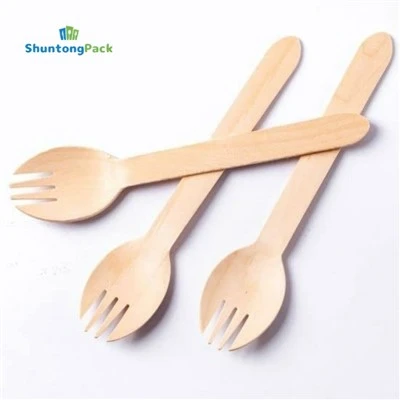
If you’re considering making the switch for your next mountain picnic, I’d encourage you to try a set designed specifically for outdoor use (not generic grocery store ones) to get the most out of it. And if you’re a business owner or group planning a mountain event, we work with organizations to supply bulk sets that are durable, eco-friendly, and tailored to outdoor use. Don’t hesitate to reach out to discuss your needs, whether you’re planning a small family hike or a large corporate retreat in the mountains.
Wooden Cutlery References:
- U.S. Forest Service. (2022). "Wildlife Impacts from Plastic Litter in Mountain Ecosystems." Northern Region Wildlife Program.
- International Organization for Standardization (ISO). (2021). "Natural Wood Products for Outdoor Use: Durability and Food Safety Standards." ISO 10345:2021.
- University of Montana, Department of Environmental Science. (2020). "Lightweight Outdoor Gear and Back Strain Reduction in Hikers." Journal of Outdoor Recreation and Tourism.
- Compost Manufacturing Alliance. (2023). "Compostability of Wood Products vs. Single-Use Plastics in Mountain Environments." Compost Science & Technology.
- American Hiking Society. (2022). "Leave No Trace Guidelines for Outdoor Dining and Waste Management." Leave No Trace Center for Outdoor Ethics.
Mudanjiang Shuntong Environmental Protection Technology Co., Ltd.
Mudanjiang Shuntong Environmental Protection Technology Co., Ltd. is one of the most professional wooden cutlery manufacturers and suppliers in China, featured by quality products and good price. Welcome to wholesale eco-friendly wooden cutlery made in China here and get pricelist from our factory. Contact us for customized service and OEM service.
Address: Shop No.4, Building 1, Ruijing Huating, Hailin City, Mudanjiang City, Heilongjiang Province
E-mail: info03@ecojiaxun.com
WebSite: https://www.shuntongcutlery.com/
