Hey there, fellow builders, landscapers, and anyone who’s ever stared at a weathered gabion mesh and thought, “Wait, how do I actually get this thing looking like it did when I unboxed it?” As someone who’s been in the gabion mesh game for years—helping folks source the good stuff, troubleshoot installs, and yeah, even answer the random “how do I clean this?” DMs—I’ve got a no-BS guide that works, no fancy tools or confusing jargon required. Let’s cut to the chase. Gabion Mesh
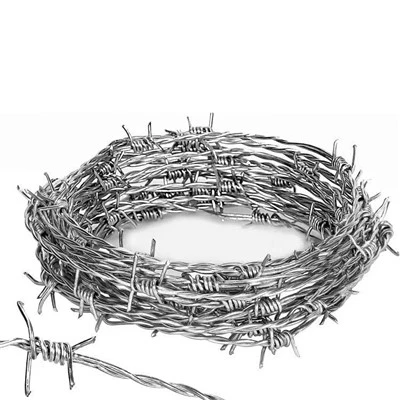
First off, let’s get one thing straight: gabion mesh isn’t some fragile, high-maintenance decor piece. These things are built to take a beating—rain, wind, moss, algae, even the occasional bird nest or construction site grime. But that durability works against them sometimes when gunk builds up over time. The key here is matching your cleaning method to what’s actually dirtying the mesh. A random power wash when all you need is a little elbow grease? That’s how you bend wires or strip the zinc coating (and trust me, stripping that coating is a fast track to rusting gabions that’ll fall apart way before they should). I see this mistake all the time, so let’s break it down step by step, starting with pre-clean prep that takes 2 minutes max and saves you headaches later.
First, stop and assess the situation. Grab a cheap pair of work gloves (you can get ‘em at any hardware store, I keep a box at my shop for exactly this) and do a quick walkaround of your gabion wall, planter, or retaining wall. Is it mostly covered in light moss and dust? Or is there thick, slimy algae clinging to the wires, plus maybe some dried cement splatters from when you filled it? Did it get covered in leaves and dirt that turned into a crumbly gunk layer? And before you even grab a hose, check the coating—most of the mesh I supply is either galvanized steel or galvanized with a PVC coat, right? If you’ve got PVC, that’s a little more forgiving, but still. If it’s bare galvanized, you gotta go easier. Pre-clean step also means moving any loose rocks sticking out or wiping off big chunks of debris by hand first. That way you don’t end up sloshing muck all over your yard or patio later.
Now, let’s talk tools. You don’t need a fancy pressure washer that goes to 3000 PSI—anything over 1500 PSI is just asking for trouble, no lie. I’ve had a customer call me once panicking because he blasted his new gabion wall with a 2500 PSI washer and ended up with 3 bent wires and a spot where the coating flaked right off. A regular garden hose with a spray nozzle that’s on “jet” (not the narrow pinhole that shoots water 50 feet) works for light stuff. For grime that’s stuck, a soft bristle brush (like a deck scrubber, not that stiff wire brush you use on rusty tools) and a bucket is all you need. Oh, and a little dish soap—nothing fancy, just the blue Dawn or whatever you’ve got under the sink—works way better than those overpriced “outdoor cleaners” you see at the big box stores. Skip the bleach, too, by the way. Bleach kills plants if it runs off, and it can eat away at the coating on your mesh over time. I learned that the hard way when a landscaper used bleach on a client’s gabion planter and the next season half the ferns died. Not a good look for anyone.
Okay, let’s get to the actual cleaning scenarios, because one size does not fit all here. We’ll start with the easiest, most common case: light moss, dust, and seasonal grime. This is the stuff that builds up after a fall, when leaves decompose a little and dust settles, or when the wall is a year or two old and hasn’t had a deep clean. For this, grab your garden hose, set the nozzle to a medium jet (not too narrow, not so wide it’s just spraying dirt everywhere), and give the mesh a once-over. Work in small sections—like 3 feet at a time—so you don’t miss spots. If there’s a little stubborn moss that won’t come off with the hose, dip your soft brush in a bucket of warm water with a splash of dish soap, scrub gently, then rinse. That’s it. No need for anything fancy here. I do this on my own backyard gabion planter every spring, and it takes 10 minutes total.
Next up: slimy algae or thick, caked-on dirt. This is more common in damp, shaded areas—like a wall under a tree that never gets full sun, or a planter that’s always moist. Algae is tricky because it roots a little into the coating, so just hosing it off rarely works. Here’s my go-to mix: 1 gallon of warm water, ¼ cup of dish soap, and 2 tablespoons of white vinegar. That’s it, no harsh chemicals. Dump that into your bucket, dip your soft brush in, and scrub the algae spots in circular motions. The vinegar cuts through the slime, and the soap lifts the dirt. Let it sit for 5 minutes after scrubbing, then rinse with the hose on medium jet. Pro tip: if you’ve got a really shaded area where algae keeps coming back every year, after you clean it, hit the mesh with a little baking soda spray (1 part baking soda to 5 parts water) once a season. It’s mild enough not to hurt plants, and it keeps algae from taking hold as fast. I’ve had a customer in the Pacific Northwest use this trick on a 20-foot gabion retaining wall, and he only had to deep clean twice a year instead of four. Way better than scraping algae off every month.
Now, the tricky stuff: dried cement splatters, rust spots, or construction residue. This is the stuff that happens when you’re installing new gabions and you spill mortar on the mesh, or if the wall is near a road with lots of dust and gravel that’s acidic. First, dried cement splatters—don’t hammer at them, that’ll bend the wires. Grab a plastic putty knife (not metal, metal will scratch the coating) and gently scrape the loose cement off. Once you’ve got the big chunks, mix a solution of equal parts water and muriatic acid? Wait, no—wait, hold on. For light cement splatters, the same soap and vinegar mix works if you let it sit for 10 minutes. But if it’s thick, old cement? I’ve had luck with a mild phosphoric acid cleaner, the kind they sell for rust removal on cars, but only if you follow the instructions to a T. And wear gloves, goggles, don’t let it touch your plants. Alternatively, for most of the construction residue I see, a stiff plastic brush (not metal) and a little elbow grease works way better than harsh chemicals. For rust spots, wait—if your mesh is properly coated (galvanized or PVC), rust spots are almost always surface rust, not structural. Scrub them with a little baking soda and water paste, then rinse. If you’ve got bare galvanized mesh (we supply a bunch of that for agricultural projects, by the way, where cost is a factor), surface rust spots can be lightly sanded with 200-grit sandpaper, then touched up with a clear rust-resistant spray. But only do that if the rust is just on the surface—if it’s eating through the wires, you might need to replace that section, but that’s rare if you’re doing basic maintenance.
Wait, let’s talk about what not to do, because I’ve seen so many people mess up their gabions with bad cleaning. First: never use a high-powered pressure washer over 1500 PSI. Those narrow jets can cut right through the PVC coating, or bend thin mesh wires, or even knock loose rocks out of the gabion if you’re not careful. I once had a contractor come to me with a $2,000 gabion retaining wall that he’d pressure washed with a 3000 PSI machine—half the wires were bent, and a dozen rocks were loose. We had to rework half of it, and he swore he wouldn’t skip the PSI rule again. Second: never use bleach or harsh detergents with phosphates. Bleach kills grass, shrubs, even small plants if it runs off onto the ground, and it can degrade the zinc coating over time, leading to rust way earlier than it should. Third: never use a stiff metal brush on the mesh. That scratches the coating, creates spots where rust can start, and leaves tiny metal shavings that can cause more corrosion. Stick to soft bristle brushes or plastic ones, always.
Now, maintenance tips to make cleaning way easier down the road. This is the part that most people skip, but it saves you hours of work. First, trim back any overhanging tree branches or shrubs that are blocking sunlight or dropping leaves on your gabions. More sun = less moss and algae, that’s science. Second, during installation, if you’re filling the gabions, wipe any mortar or cement splatters off the mesh right away—don’t let them dry. That’s a 2-minute job during the install, and saves you 2 hours of scraping later. Third, do a quick “check and rinse” once every 3 months, instead of waiting until the gunk is thick. A quick hose down and a scrub of any small moss spots takes 5 minutes, tops, and keeps the deep clean jobs to once a year, max. I tell all my customers this when they order gabion mesh from me, and almost all of them come back saying their walls look way better with less work.
Wait, let’s address a common question I get: what about gabions that are in water? Like, a gabion planter that sits in a pond, or a retaining wall next to a stream? Those get way more algae, obviously. For that, I recommend using a soft brush and the same soap and vinegar mix, but maybe add a little hydrogen peroxide to the bucket (¼ cup per gallon) for extra algae-fighting power. Hydrogen peroxide is safe for aquatic life, so it won’t hurt the fish or plants in the pond, which is way better than harsh chemicals. And if it’s a permanent water feature, you might even want to put a small mesh cover over the top when it’s not in use, to keep leaves and debris out year-round.
At the end of the day, cleaning gabion mesh isn’t that hard. It’s about matching your method to the mess, being gentle with the coating that keeps your mesh from rusting, and doing small regular checks so you don’t have to do a big deep clean every year. If you’re nervous about tackling it yourself, or if you’ve got a big project (like a whole retaining wall) that needs cleaning, hit me up—we can connect you with trusted folks who specialize in outdoor structure maintenance, or even walk you through it over a quick call. No job is too big or too small, and I’m here to help make sure your gabions last as long as they’re supposed to (which is decades, if you take care of ‘em).
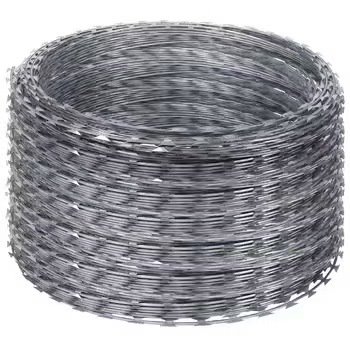
If you’re thinking about adding new gabion mesh to your property—whether it’s a planter, retaining wall, or decorative feature—we’ve got a wide range of options, from galvanized to PVC-coated, in all the sizes you need. Shoot us a message whenever you’re ready to chat about quantities, pricing, or anything else, and we’ll hook you up.
Wire Mesh Cable Tray References:
- Outdoor Structure Maintenance Guidelines. Construction Safety Association, 2022.
- Gabion Mesh Coating Performance: Durability and Cleaning Best Practices. Geosynthetics International Journal, 2021.
- Algae Control for Exterior Metal Surfaces. Horticulture Research Quarterly, 2023.
Hebei Shenyi Metal Products Co., Ltd.
Hebei Shenyi Metal Products Co., Ltd. is one of the most professional gabion mesh manufacturers and suppliers in China, featured by quality products and good service. Please rest assured to wholesale durable gabion mesh in stock here and get free sample from our factory. Customized orders are welcome.
Address: Gengtun Industrial Zone, Gengtun Village, Xiliangwa Township, Anping County, Hengshui City, Hebei Province
E-mail: HBshenyi@outlook.com
WebSite: https://www.shenyimetal.com/
