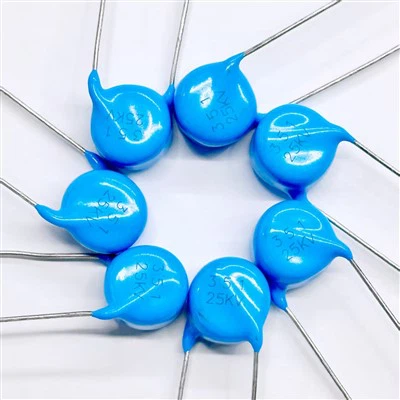
As a provider of high – voltage capacitors, I’ve encountered numerous issues with these essential components over the years. High – voltage capacitors play a pivotal role in various electrical systems, from power distribution to industrial machinery. However, like any other electrical device, they can develop faults. Troubleshooting these faults is crucial to ensure the safety and efficiency of the entire electrical setup. In this blog, I’ll share some practical steps and insights on how to troubleshoot a faulty high – voltage capacitor. High-voltage Capacitor
1. Initial Visual Inspection
The first step in troubleshooting a high – voltage capacitor is a thorough visual examination. This can often reveal obvious signs of damage.
-
Physical Damage: Look for cracks, dents, or bulges on the capacitor body. Physical damage can occur due to mechanical stress, improper handling, or extreme environmental conditions. Cracks in the capacitor’s housing can allow moisture to enter, leading to internal short – circuits. Bulges are a clear indicator of internal pressure build – up, which could be caused by overheating or a chemical reaction inside the capacitor.
-
Terminal Integrity: Check the capacitor terminals for signs of corrosion, burning, or loose connections. Corroded terminals can increase resistance, leading to excessive heat generation and potentially poor performance. Burn marks on the terminals indicate that there has been an overcurrent situation, which might be due to a short – circuit in the capacitor or the connected circuit. Loose connections can cause intermittent electrical contact, resulting in erratic behavior.
-
Leakage: Inspect for any signs of electrolyte leakage. High – voltage capacitors often contain a liquid or gel – like electrolyte. Leakage can occur due to a damaged seal or excessive internal pressure. The presence of electrolyte leakage is a serious issue as it can not only damage the capacitor itself but also pose a risk to the surrounding electrical components.
2. Electrical Tests
Once the visual inspection is complete, it’s time to conduct some electrical tests to further diagnose the problem.
-
Capacitance Measurement: Use a capacitance meter to measure the actual capacitance of the capacitor. Compare this value with the rated capacitance specified on the capacitor label. A significant deviation from the rated value indicates a problem. For example, if the measured capacitance is much lower than the rated value, the capacitor may have lost its ability to store charge effectively, which could be due to dielectric breakdown or drying out of the electrolyte.
-
Insulation Resistance Test: Measure the insulation resistance between the capacitor terminals and the capacitor case. A high – quality capacitor should have a very high insulation resistance. A low insulation resistance value suggests a leakage path, which could be caused by moisture ingress, internal damage, or contamination. This test can be performed using a megohmmeter.
-
Voltage Test: In some cases, it may be necessary to test the capacitor under an applied voltage. However, this should be done with extreme caution as high – voltage capacitors can store a large amount of energy. Use a calibrated voltage source and monitor the capacitor’s behavior during the test. Look for any signs of arcing, overheating, or abnormal voltage drops.
3. Analyze the Operating Environment
The operating environment can have a significant impact on the performance and lifespan of a high – voltage capacitor.
-
Temperature: High – temperature environments can accelerate the aging process of the capacitor. If a capacitor is operating in an area with poor ventilation or near a heat source, it may overheat. Overheating can cause the dielectric material to degrade, leading to a reduction in capacitance and an increase in leakage current. On the other hand, extremely low temperatures can also affect the capacitor’s performance, causing the electrolyte to thicken and reducing the capacitor’s ability to charge and discharge.
-
Humidity: High humidity can lead to moisture ingress into the capacitor, which can cause corrosion of the internal components and a decrease in insulation resistance. Capacitors installed in areas with high humidity should be properly sealed and protected.
-
Vibration and Shock: Excessive vibration or shock can cause physical damage to the capacitor, such as cracking the housing or loosening the internal connections. Capacitors used in applications where vibration is present, such as in industrial machinery or vehicles, should be properly mounted and secured.
4. Check the Connected Circuit
A faulty high – voltage capacitor can sometimes be a symptom of a problem in the connected circuit.
-
Overloading: Check if the capacitor is being overloaded. Overloading can occur if the circuit demands more current or voltage than the capacitor is rated for. This can lead to overheating and premature failure of the capacitor. Review the circuit design and ensure that the capacitor is properly sized for the application.
-
Short – Circuits: Look for short – circuits in the connected circuit. A short – circuit can cause a sudden increase in current, which can damage the capacitor. Inspect the other components in the circuit, such as resistors, inductors, and switches, for signs of damage or malfunction.
-
Harmonics: In AC circuits, harmonics can cause additional stress on the capacitor. High levels of harmonics can lead to increased heating and premature failure. Use a power quality analyzer to measure the harmonic content in the circuit and take appropriate measures to mitigate the harmonics, such as using harmonic filters.
5. Consult the Manufacturer’s Documentation
The manufacturer’s documentation can provide valuable information for troubleshooting.
-
Specifications and Ratings: Refer to the capacitor’s specifications and ratings to ensure that it is being used within its intended operating limits. The documentation may also provide information on the recommended operating temperature range, maximum voltage, and current ratings.
-
Installation and Maintenance Instructions: Follow the installation and maintenance instructions provided by the manufacturer. Improper installation, such as incorrect wiring or mounting, can lead to capacitor failure. Regular maintenance, such as cleaning and tightening connections, can help prevent problems.
-
Troubleshooting Guides: Many manufacturers provide troubleshooting guides that can help you diagnose common problems. These guides may include flowcharts or checklists to assist you in the troubleshooting process.
6. When to Replace a Faulty Capacitor
If, after troubleshooting, you determine that the capacitor is faulty, it’s important to replace it promptly.
-
Repairability: In most cases, high – voltage capacitors are not designed to be repaired. Once they develop a fault, it is usually safer and more cost – effective to replace them. Attempting to repair a faulty capacitor can be dangerous, especially for high – voltage applications, as it may involve working with potentially lethal electrical energy.
-

Compatibility: When replacing a capacitor, ensure that the new capacitor is compatible with the existing circuit. Consider factors such as capacitance, voltage rating, and physical dimensions. Using an incompatible capacitor can lead to further problems or even damage to the electrical system.
High-voltage Capacitor As a high – voltage capacitor provider, I understand the importance of reliable capacitors in your electrical systems. If you’re experiencing problems with your high – voltage capacitors or need assistance in selecting the right capacitor for your application, I invite you to get in touch. Our team of experts is always ready to help you with your capacitor needs, from troubleshooting to procurement. We offer a wide range of high – voltage capacitors with different specifications and ratings to meet your specific requirements. Whether you’re in the power industry, industrial manufacturing, or any other field that uses high – voltage electrical systems, we can provide you with the solutions you need. Contact us to start a discussion about your capacitor procurement and find out how we can support your electrical projects.
References
- Electrical Machinery and Power System Fundamentals, McGraw – Hill Education
- Handbook of Capacitor Technology, John Wiley & Sons
- IEEE Standards for High – Voltage Capacitors
Jiangyin Furida High-Voltage Ceramic Capacitor Co., Ltd.
As one of the leading high-voltage capacitor manufacturers and suppliers in China, we warmly welcome you to purchase high-value high-voltage capacitor made in China here from our factory. All customized products are with high quality and competitive price.
Address: No. 154, Hutang Street, Xuxiake Town, Jiangyin City, Wuxi, Jiangsu Province
E-mail: 13771223028@qq.com
WebSite: https://www.jyfurita.com/
