In the dynamic landscape of industrial operations, auxiliary equipment plays a pivotal role in enhancing efficiency, productivity, and overall performance. As a leading provider of auxiliary equipment, we understand the critical importance of data collection and analysis in optimizing the functionality of these essential tools. In this blog post, we will delve into the data collection and analysis capabilities of auxiliary equipment, exploring how these features can revolutionize your operations and drive business success. Auxiliary Equipment
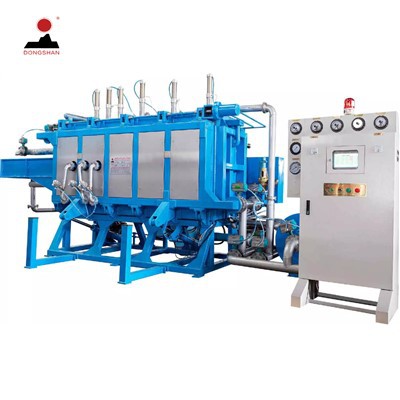
Data Collection Capabilities of Auxiliary Equipment
Sensor Technology
One of the primary ways auxiliary equipment collects data is through the use of sensors. These sensors are strategically placed throughout the equipment to monitor various parameters such as temperature, pressure, flow rate, vibration, and more. For example, in a cooling system, temperature sensors can continuously measure the coolant temperature, ensuring that it remains within the optimal range for efficient operation. Similarly, pressure sensors can detect any fluctuations in pressure, alerting operators to potential issues such as leaks or blockages.
The data collected by these sensors is transmitted in real-time to a central control system, where it can be analyzed and used to make informed decisions. This real-time monitoring allows for proactive maintenance, reducing the risk of equipment failure and minimizing downtime.
Connectivity and Integration
In today’s digital age, auxiliary equipment is increasingly being equipped with connectivity features that enable seamless integration with other systems and devices. This connectivity allows for the exchange of data between different components of the production process, providing a comprehensive view of the entire operation.
For instance, auxiliary equipment can be connected to a factory’s manufacturing execution system (MES) or enterprise resource planning (ERP) system. This integration enables the sharing of data such as production schedules, inventory levels, and quality control metrics. By having access to this information, operators can optimize the performance of the auxiliary equipment, ensuring that it is operating in sync with the overall production process.
Data Logging and Storage
In addition to real-time monitoring, auxiliary equipment also has the capability to log and store data over time. This data can be used for historical analysis, trend identification, and performance evaluation. For example, by analyzing the temperature data collected over a period of time, operators can identify patterns and trends, such as seasonal variations or equipment degradation.
The data logging and storage capabilities of auxiliary equipment are typically supported by advanced software systems that can handle large volumes of data. These systems can be configured to generate reports and visualizations, making it easier for operators to understand and interpret the data.
Data Analysis Capabilities of Auxiliary Equipment
Predictive Analytics
One of the most powerful data analysis capabilities of auxiliary equipment is predictive analytics. By analyzing historical data and using machine learning algorithms, predictive analytics can forecast potential equipment failures and maintenance needs. This allows operators to schedule maintenance proactively, reducing the risk of unplanned downtime and minimizing the cost of repairs.
For example, if a vibration sensor on a motor detects an increase in vibration levels over time, predictive analytics can analyze this data and predict when the motor is likely to fail. Based on this prediction, operators can schedule maintenance before the failure occurs, preventing costly downtime and ensuring the continuous operation of the equipment.
Performance Optimization
Data analysis can also be used to optimize the performance of auxiliary equipment. By analyzing data such as energy consumption, production rates, and quality metrics, operators can identify areas for improvement and implement strategies to enhance efficiency.
For instance, if an analysis of energy consumption data reveals that a particular piece of auxiliary equipment is consuming more energy than expected, operators can investigate the cause and take steps to reduce energy consumption. This could involve adjusting the operating parameters of the equipment, upgrading to more energy-efficient components, or implementing energy management strategies.
Quality Control
Data analysis plays a crucial role in quality control for auxiliary equipment. By monitoring and analyzing data related to product quality, such as dimensions, surface finish, and material properties, operators can ensure that the equipment is producing high-quality products consistently.
For example, if a quality control sensor detects a deviation from the specified product dimensions, data analysis can be used to identify the root cause of the problem. This could be due to a malfunctioning component, incorrect operating parameters, or a change in the raw materials. By addressing the root cause, operators can improve the quality of the products and reduce the number of defects.
Benefits of Data Collection and Analysis in Auxiliary Equipment
Improved Efficiency and Productivity
By collecting and analyzing data, auxiliary equipment can be optimized to operate at peak efficiency. This results in increased productivity, reduced energy consumption, and lower operating costs. For example, by using predictive analytics to schedule maintenance, operators can minimize downtime and ensure that the equipment is operating at its maximum capacity.
Enhanced Reliability and Durability
Data analysis can help identify potential issues before they become major problems, allowing for proactive maintenance and repairs. This improves the reliability and durability of the auxiliary equipment, reducing the risk of unexpected breakdowns and extending the lifespan of the equipment.
Better Decision-Making
The data collected and analyzed by auxiliary equipment provides valuable insights that can be used to make informed decisions. For example, operators can use the data to determine the optimal operating parameters for the equipment, identify areas for improvement, and plan for future upgrades or expansions.
Competitive Advantage
In today’s competitive market, companies that can leverage data collection and analysis to optimize their operations have a significant advantage. By using data-driven decision-making, companies can improve the quality of their products, reduce costs, and increase customer satisfaction, giving them a competitive edge over their competitors.
How Our Auxiliary Equipment Can Help
As a leading provider of auxiliary equipment, we offer a wide range of products that are equipped with advanced data collection and analysis capabilities. Our equipment is designed to meet the specific needs of our customers, providing them with the tools they need to optimize their operations and drive business success.
Our auxiliary equipment features state-of-the-art sensors and connectivity options, allowing for real-time monitoring and data collection. The data is then analyzed using advanced software systems, providing valuable insights and actionable recommendations.
In addition, our team of experts is available to provide support and guidance on how to use the data collection and analysis capabilities of our equipment effectively. We can help you develop customized solutions that are tailored to your specific needs and requirements.
Conclusion
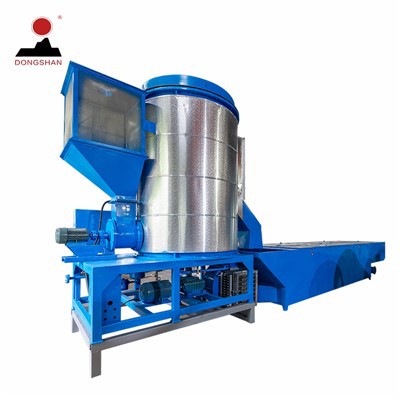
In conclusion, the data collection and analysis capabilities of auxiliary equipment are essential for optimizing industrial operations. By collecting and analyzing data, operators can improve efficiency, productivity, reliability, and quality, while also reducing costs and downtime.
EPS Block Molding Machine As a leading provider of auxiliary equipment, we are committed to helping our customers leverage these capabilities to achieve their business goals. If you are interested in learning more about our products and how they can benefit your operations, please contact us to schedule a consultation. We look forward to working with you to drive your business forward.
References
- Smith, J. (2020). Industrial Data Analytics: A Comprehensive Guide. Publisher Name.
- Johnson, A. (2019). Predictive Maintenance in Manufacturing. Journal of Manufacturing Technology, 25(3), 123-135.
- Brown, C. (2018). The Role of Data in Optimizing Industrial Processes. Industrial Engineering Journal, 40(2), 78-89.
Hangzhou Fuyang Dongshan Plastic Machinery Co., Ltd.
Hangzhou Fuyang Dongshan Plastic Machinery Co., Ltd. is one of the most professional auxiliary equipment manufacturers and suppliers in China, featured by quality products and low price. Please feel free to wholesale advanced auxiliary equipment made in China here and get quotation from our factory. Customized orders are welcome.
Address: 101 Guanting, Baiqian Villige, Luzhu Town, Fuyang District, Hangzhou City, Zhejiang Province, China
E-mail: xu@dong-shan.cn
WebSite: https://www.epseppmachinery.com/
