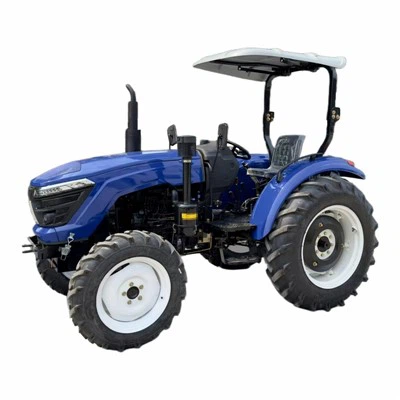
The turning radius of a wheel tractor is a crucial parameter that significantly impacts its maneuverability and operational efficiency. As a supplier of wheel tractors, understanding this concept is essential for both us and our customers. In this blog, we’ll delve into what the turning radius of a wheel tractor is, why it matters, and how it influences various applications. Wheel Tractor
What is the Turning Radius of a Wheel Tractor?
The turning radius of a wheel tractor refers to the minimum radius of the circle that the outer – most point of the tractor’s path follows when the tractor makes a full turn. It is usually measured from the center of the turning circle to the outermost part of the tractor, typically the outer rear wheel. There are two main types of turning radii: the outer turning radius and the inner turning radius.
The outer turning radius is the distance from the center of the turning circle to the outermost point of the tractor during a turn. This is important as it determines the amount of space required for the tractor to complete a turn safely. For example, in a tight agricultural field or a congested construction site, a large outer turning radius can limit the tractor’s ability to navigate effectively.
The inner turning radius, on the other hand, is the distance from the center of the turning circle to the innermost point of the tractor during a turn. It is relevant when considering the space needed for the tractor to turn without hitting obstacles on the inside of the turn.
Factors Affecting the Turning Radius
Wheelbase
The wheelbase, which is the distance between the front and rear axles of the tractor, has a significant impact on the turning radius. Generally, a longer wheelbase results in a larger turning radius. This is because the longer the distance between the axles, the more the tractor has to pivot to complete a turn. For instance, a large – scale wheel tractor with a long wheelbase designed for heavy – duty applications may have a relatively large turning radius compared to a smaller tractor with a shorter wheelbase.
Steering System
The type of steering system also plays a vital role. There are different steering mechanisms in wheel tractors, such as Ackermann steering and four – wheel steering. Ackermann steering is the most common type, where the inner wheel turns at a sharper angle than the outer wheel during a turn. This design helps to minimize tire scrubbing and ensures a smooth turn. Four – wheel steering, on the other hand, allows both the front and rear wheels to turn, which can significantly reduce the turning radius. Tractors with four – wheel steering are often used in applications where high maneuverability is required, such as in vineyards or small construction sites.
Tire Size and Type
The size and type of tires on the tractor can affect the turning radius. Larger tires may increase the turning radius because they cover more ground and require more space to turn. Additionally, the tire’s tread pattern and flexibility can influence how the tractor turns. Tires with a more aggressive tread pattern may have more traction but could also cause more resistance during a turn, potentially increasing the turning radius.
Importance of the Turning Radius in Different Applications
Agriculture
In agriculture, the turning radius of a wheel tractor is crucial for efficient field operations. When working in a field, tractors need to make frequent turns at the end of each row. A smaller turning radius allows the tractor to make tighter turns, reducing the amount of unplanted or unharvested land at the end of the rows. This not only increases the overall productivity of the field but also saves time and fuel. For example, in a small – scale vegetable farm where space is limited, a tractor with a small turning radius can navigate between the rows more easily, ensuring that all areas of the field are covered.
Construction
In the construction industry, wheel tractors are used for various tasks such as grading, hauling, and material handling. The turning radius is important in construction sites where space is often limited. A tractor with a small turning radius can maneuver around obstacles, work in tight corners, and access areas that larger tractors cannot reach. This is especially important in urban construction projects where space is at a premium.
Industrial Applications
In industrial settings, such as warehouses and factories, wheel tractors are used for moving materials and equipment. A small turning radius allows the tractor to move through narrow aisles and congested areas, improving the efficiency of material handling operations. For example, in a large – scale distribution center, a tractor with a small turning radius can quickly and easily move pallets from one location to another, reducing the time and effort required for the operation.
How We, as a Wheel Tractor Supplier, Consider the Turning Radius
As a wheel tractor supplier, we understand the importance of the turning radius for our customers. When designing and manufacturing our tractors, we take into account the different requirements of various applications. We offer a range of tractors with different turning radii to meet the diverse needs of our customers.
For customers in the agricultural sector, we provide tractors with smaller turning radii for use in small – scale farms and fields with irregular shapes. These tractors are designed to be highly maneuverable, allowing farmers to work more efficiently. For construction and industrial customers, we offer tractors with a balance between power and maneuverability. Some of our tractors are equipped with four – wheel steering systems to reduce the turning radius and improve performance in tight spaces.
We also provide detailed information about the turning radius of our tractors to our customers. This includes specifications such as the outer and inner turning radii, as well as any factors that may affect the turning radius, such as tire size and steering system. By providing this information, we help our customers make informed decisions when choosing a wheel tractor that suits their specific needs.
Conclusion
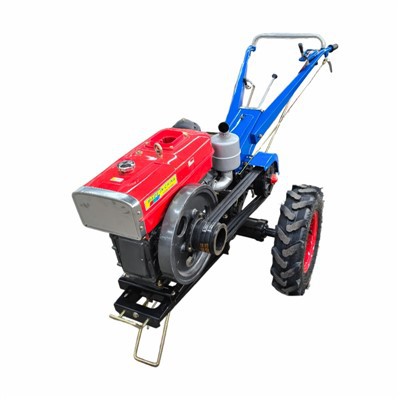
The turning radius of a wheel tractor is a critical factor that affects its performance and usability in various applications. Whether in agriculture, construction, or industrial settings, a tractor with an appropriate turning radius can significantly improve efficiency and productivity. As a wheel tractor supplier, we are committed to providing high – quality tractors with the right turning radius for our customers’ needs.
Wheel Tractor If you are in the market for a wheel tractor and want to learn more about how the turning radius can impact your operations, we encourage you to contact us. Our team of experts is ready to assist you in selecting the perfect tractor for your specific requirements. Let’s start a conversation about how our wheel tractors can meet your needs and enhance your business.
References
- Smith, J. (2018). Agricultural Machinery Handbook. Publisher: ABC Press.
- Johnson, R. (2020). Construction Equipment Guide. Publisher: XYZ Publications.
- Brown, A. (2019). Industrial Material Handling: Best Practices. Publisher: LMN Books.
Shandong Ling Ke Industry Group Co., Ltd.
As one of the most professional wheel tractor manufacturers and suppliers in China, we’re featured by quality products and good price. Please rest assured to buy cheap wheel tractor for sale here from our factory. We also accept customized orders.
Address: 50 Meters West of the Connecting Road Between Jiuma Road and Shima Road, Fangzi District, Weifang City, Shandong Province, P.R.China
E-mail: aileenlin@sdlingkegroup.com
WebSite: https://www.lingketractor.com/
