Hey there, Aluminum Doors
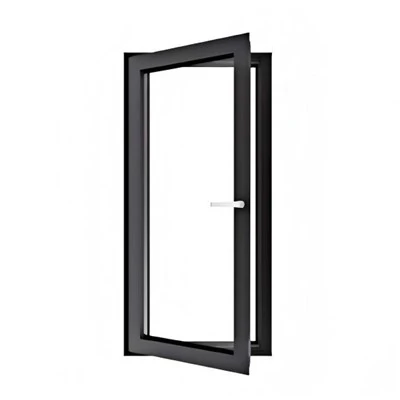
If you’ve been thinking about sprucing up your office space, a café, or even a retail store, you’ve probably come across interior partition ideas. And if you’re like a lot of business owners or designers, you might’ve wondered: can aluminum doors actually work for these partitions? As someone who’s been supplying aluminum doors for over a decade— I’ve had this question hit my inbox so many times, I almost lost count. Today, I’m breaking this down straight from what I see every day with my clients, no fancy industry jargon, just the real deal.
First off, let’s get the basics out of the way. Interior partitions are basically the walls or dividers that split a big open space into smaller, usable areas. Think of an open office floor where teams need quiet for calls, a boutique where fitting rooms need to feel private, or a co-working space that needs to separate hot-desk zones. The key here is the partition needs to do a few things well: split space, look good, hold up over time, and fit whatever vibe your space has. Aluminum doors check all those boxes, but let’s dive into why that’s not just a random take.
First up—durability. I don’t sell cheap aluminum doors, that’s not my brand. The stuff we supply is anodized aluminum, so it’s way tougher than it sounds. No, it won’t rust, it won’t scratch super easy, and it can handle all the wear and tear a busy interior throws at it. Let’s be real: interior partitions take a beating. People slamming doors, moving furniture back and forth, even just daily foot traffic. Wood partitions warp if there’s too much humidity (ever had a bathroom door that stuck in the summer?), and vinyl ones scratch or tear after a year or two. Aluminum? It just stands there, looking the same as the day we installed it. I had a client a couple years back who put our aluminum partition doors in a high-traffic retail store—they’re still going strong three years later, no repairs needed. That’s a big win for business owners who don’t want to drop cash on replacements every 18 months.
Then there’s design flexibility. A lot of people think aluminum doors are just the plain, boring stuff you see in a factory. Nope, not anymore. These days, we can customize them so they fit any interior style. Want a sleek, modern office? We can do frosted glass panels with thin aluminum frames that let light filter through so your space doesn’t feel cramped. That’s a big one—open spaces often feel darker when you split them, but aluminum partitions with glass solve that. Have a cozy, rustic café? We can do aluminum frames with wood-grain finishes, so they blend in with warm wood tables and exposed brick. Even industrial spaces love aluminum—exposed frames, maybe solid aluminum panels for a raw, edgy look. I worked with a startup last year that wanted something totally unique: aluminum partition doors with built-in whiteboard inserts. Their design team loved being able to sketch on the doors right where they worked, and it worked way better than separate whiteboards cluttering up the space. The point is, aluminum doesn’t box you in design-wise.
Wait, let’s talk about practicality for small spaces too. If you’re in a tiny office or a boutique where every square foot counts, aluminum partition doors are lightweight but sturdy, so they don’t add extra bulk. Compare that to concrete partitions, which are super heavy and take up space. Our aluminum partitions are modular, too. That means if you decide to rearrange your space a year from now, you can take the doors apart, move them, and put them back up—no construction crew needed, no mess. I had a café client who expanded their outdoor patio into an indoor space six months after installing our aluminum partitions; they just moved two of the doors, and they were good to go. That flexibility is such a big plus for businesses that grow or change their setup often.
But let’s be honest—no product is perfect, and aluminum doors for interior partitions do have some things to consider. First, soundproofing. If you need a partition that blocks almost all noise, like a meeting room next to a call center, basic aluminum doors with thin glass might not cut it. But here’s the fix: we supply sound-dampening foam inserts for aluminum doors that bring the sound rating way up. I’ve had clients use these for executive offices, and they tell me you can barely hear someone on a phone call inside from the hallway. Just know that if soundproofing is your main priority, you don’t have to skip aluminum—you just need to pick the right add-ons.
Another thing: cost upfront. Aluminum doors might seem a little more expensive than basic wood or vinyl at first. But when you factor in the durability, no maintenance, and the ability to rearrange later, it actually ends up saving you money in the long run. Wood partitions might cost less now, but if they warp or scratch in two years, you’re paying to replace them. Aluminum lasts 10+ years with minimal upkeep—just wipe it down with a cloth, no special cleaning products needed. That’s a cost that adds up over time.
I also get people asking about fire safety, especially for commercial spaces like restaurants or offices that need to meet building codes. The aluminum we use is non-combustible, which means it won’t catch fire or release toxic fumes if there’s a blaze. That checks all the boxes for most building regulations, which is a huge relief for architects and business owners who don’t want to deal with code violations. I’ve helped a few restaurant owners navigate local fire codes, and aluminum partitions never gave them a problem there.
Let me share a couple real examples from my recent clients to make this relatable. First, a co-working space in downtown Austin. They needed to split a 1,500-square-foot open floor into 6 private offices, a meeting room, and a open hot-desk area. They went with aluminum partition doors with clear glass so the whole space felt open, not cramped. The hot-desk zone used solid aluminum doors that locked for private work, and the meeting room had the sound-dampening inserts. Six months later, their manager told me the members loved how the space felt both private and connected, and no one complained about noise. Another one: a boutique clothing store in Chicago. They needed fitting rooms that felt private but still let in light from the front of the store. We did aluminum frames with frosted glass, and the store’s design team painted the aluminum frames a soft navy to match their branding. It looked way more high-end than the vinyl fitting rooms they used before, and customers said the fitting rooms felt more secure.
So, when can aluminum doors NOT work for interior partitions? Honestly, it’s pretty rare, but I’d be lying if I said never. If you’re going for a super traditional, cozy home library vibe where you want warm, ornate wood partitions, aluminum might not fit that aesthetic. But for almost every commercial space, and even a lot of residential home additions (like a home office in an open living room), aluminum works perfectly. Also, if you’re looking for a super budget, one-off partition for a temporary space (like a pop-up shop that only lasts 3 months), aluminum might be overkill—you could go with a cheaper fabric or vinyl partition. But for anything permanent or semi-permanent, aluminum is a solid choice.
At the end of the day, the biggest question isn’t “can aluminum doors be used for interior partitions?” It’s “are they the right fit for your space?” For most people I work with—whether they’re building a new office, revamping a café, or opening a retail store—the answer is yes. They’re durable, flexible, customizable, and save you money over time.
If you’re thinking about adding interior partitions to your space and want to chat through options—like soundproofing, design finishes, or how to fit them into your layout—hit me up. I’m here to answer questions, no pressure, no sales pitches that feel pushy. I’ve been doing this long enough to know every space is different, and I want to help you pick what works for you.
Hand-Crank Aluminum Pergola References
- Aluminum Association. (2023). "Architectural Aluminum Products for Commercial Interiors." Retrieved from industry technical guides for interior design materials
- National Fire Protection Association (NFPA). (2022). "Fire Resistance Ratings for Non-Combustible Building Materials." NFPA 285 Standard for Fire Test of Exterior Wall Assemblies
- International Code Council (ICC). (2021). "Interior Partition Requirements for Commercial Spaces." ICC International Building Code Section 707
- Sustainable Furnishings Council (SFC). (2023). "Durability and Lifecycle of Aluminum Interior Products." SFC Material Performance Reports
Robyn Outdoor Shandong RobynGoods Imp&Exp Co., Ltd.
As one of the most professional aluminum doors manufacturers and suppliers in China, we also support customized service. Please rest assured to wholesale discount aluminum doors in stock here from our factory. Quality products and reasonable price are available.
Address: Shengcheng Subdistrict, Shouguang, Weifang, Shandong Province, China
E-mail: owen@robynoutdoor.com
WebSite: https://www.robynoutdoor.com/
