Hey there, pool fam, let’s cut to the chase—nothing’s more frustrating than staring at your pool test results and thinking, “Chlorine’s through the roof but my salt level’s so low I’m basically trying to run a salt chlorinator on tap water?” If that’s you, don’t panic. I’ve been in the pool game for years, running this salt chlorinator supply side, and I’ve heard this exact question way too many times. Let’s break this down like we’re chatting over a cold post-swim soda, no fancy jargon that makes your eyes cross. Salt Chlorinator
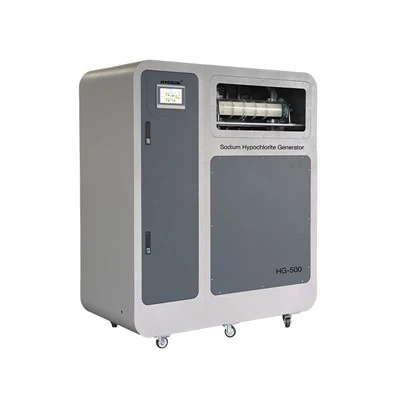
First off, let’s get one basic fact straight to set the stage: salt chlorinators don’t work like those cheap floater chlorine tabs you throw in. Those tabs just dissolve straight chlorine into your pool water. Salt chlorinators (or SWGs, for short—everyone in the biz uses that abbreviation) actually take the salt already in your water, zap it with electricity, and turn that salt into free chlorine on demand. So the whole system relies on two key numbers playing nice: free chlorine (FC, another common one) needs to be in that 1-3 ppm sweet spot, and total salt needs to be between 3000-4000 ppm for most standard residential pools. But when those numbers flip? FC high, salt low? That’s when heads start scratching.
Let’s start with the most common culprit that’s not even your fault—test strip or test kit failure. Wait, hold on, don’t roll your eyes. I see this all the time, and I’ve lost count of how many people blame their SWG when really it’s their $5 test strips from the big box store. Here’s the thing: test strips for salt are way less accurate than test strips for chlorine. Most cheap strips only read salt within a 500 ppm window, so if your actual salt is 1000 ppm low, the strip might just say “low” instead of “exact number.” And chlorine? Strip tests are super sensitive, especially if you leave them in the sun too long or don’t read them at the right time. Oh, and if you used a liquid chlorine shock recently? That’s free chlorine, straight up, and the strip will pick that up immediately even if your SWG isn’t running. A lot of people do a big shock after a pool party, then test that same day, see FC is 10 ppm, and think their salt’s messed up when really it’s just the shock residue.
Next up: SWG runtime settings got flipped (or misread). Most modern salt chlorinators let you set a “output percentage” or a “chlorine demand” that controls how much free chlorine they make. Like, if your pool needs 20% output to hit 2 ppm, but you accidentally bumped it to 80% because you were rushing by the panel, that’s a ton of extra chlorine being cranked out. But here’s the kicker—most people assume that if the SWG is running and making chlorine, it’s also adding salt, right? No! The SWG only converts existing salt to chlorine, it doesn’t add salt to the pool. Oh my gosh, that’s a huge misconception I still see new pool owners falling for. So if you’ve cranked your SWG way up to “fix” a previous low chlorine issue, you’re dumping a ton of chlorine into water that hasn’t had enough salt to keep the cell running efficiently, leading to that weird high FC / low salt split. I can’t tell you how many customers I’ve walked through this: they had low chlorine, cranked the SWG to max, now FC is 10 ppm, their salt level only went up by 100 ppm because the cell’s only converting what’s already there, not adding new salt.
Wait, speaking of salt not adding—did you actually add salt correctly? A lot of people throw salt in and think that’s it, but if you don’t spread it evenly across the deep end, brush it in really well, and run the pool pump for 24 hours after adding, you’re going to have patchy salt levels. Like, you might dump 50 lbs of salt, but it all sinks to the deep end floor so your test strip at the shallow end reads low, even though the actual pool average is on point. And here’s a fun twist: if you have a lot of water loss due to backwashing, splash out, or evaporation? When you top off your pool with fresh water, you’re diluting the salt level. But if your SWG is cranked high, it’s still turning whatever salt is left into chlorine, so you end up with super high chlorine and salt that’s been watered down to low. That’s such a common combo this time of year—everyone’s turning on their pool after winter, backwashing a bunch to get rid of gunk, topping off, and suddenly their numbers are all messed up.
Another one that’s sneaky: a dying or dirty SWG cell. The cell is the part inside the SWG that does the actual electrolysis, right? Over time, calcium and mineral buildup coats the plates in the cell, that’s called scaling. If your cell is scaled up, it can’t convert salt to chlorine efficiently, but it’s still drawing power. So what happens? The panel cranks up the runtime to compensate for the bad cell, which means it’s running way more than it should, pumping out way more chlorine than your pool needs. But because the cell’s not converting salt properly, it’s not keeping up? No, wait—actually, the low salt reading? Wait, no, if the cell is scaled, you might be seeing that the salt level isn’t staying where it should because the cell isn’t operating at full capacity, so the actual average is lower, while the chlorine is being overproduced by the extra runtime. I’ve had customers bring me their SWG cells that were so scaled you could barely see the plates, and when we cleaned them, their chlorine levels dropped from 8 ppm to 2 ppm overnight. So if your cell is dirty or dying, that’s a double whammy: overproducing chlorine, and making the salt level seem off because it’s not cycling properly.
Wait, let’s not forget external chlorine additives. If you’ve used any chlorine-based product that isn’t from your salt chlorinator, that’s free chlorine counting on that FC reading. Like, if you threw in a chlorine shock, a floater of dichlor, even those quick-dissolve chlorine granules for a hot day—all that is straight FC that your test kit will pick up, and it’s not related to how much salt is in the pool. A lot of people switch from traditional chlorine tabs to a salt chlorinator, and they forget that for the first week or two, there’s residual chlorine from the old tabs in the water. That residual will show up as high FC, while your new salt level is still adjusting. I had a customer last summer who kept complaining his FC was 12 ppm and salt was 2200 ppm, turns out he’d been using a floater for his first 3 weeks with the new SWG because he “didn’t trust it.” Once we got rid of the floater and let the residual burn off, his FC settled to 2 ppm, salt stayed right where it needed to be.
Now, let’s get to the actual fixes, because you don’t want to just stare at test results all day. First step: test again, properly. Ditch the cheap strips if you haven’t already—grab a liquid test kit (the Taylor K-2006 is the gold standard, no cap) because it tests both FC and salt way more accurately. Wait 2 hours after testing too, because chlorine levels can drop a bit as it reacts in the water. Second, check your SWG settings. If you don’t need that high FC, turn the output down to 50-70% depending on your pool size, and let it run on a normal schedule (most people run it 8-12 hours a day, depending on usage). Third, if your salt is actually low (not just the strip being off), add the right amount of salt, spread it evenly, brush the floor, run the pump non-stop for 24 hours, and retest. Don’t just dump it all in one spot, I beg you. Fourth, check your SWG cell—pull it out, look at the plates. If they’re white and crusty, you need to clean it with a cell cleaner (we sell these, super easy to use) or a 50/50 mix of water and muriatic acid if it’s really bad. If the plates are pitted or cracked, it’s time for a new cell. Fifth, if you’ve been using other chlorine products, stop that for a bit, let the residual chlorine burn off (usually 2-3 days), and test again.
Wait, one last thing that’s super niche but I’ve seen it: if you have a leak in your pool, you’re losing water, which dilutes salt, but if your SWG is still running high, you get that same high FC low salt. That’s a tricky one, but if your water level is dropping faster than it should, that’s a sign you’ve got a leak to fix.
Here’s the thing that I always tell new pool owners: salt chlorinators are not “set it and forget it” machines. They take a little tweaking at first, and test results can throw you off sometimes. The most common mistake I see is people confusing what the SWG does vs what old chlorine methods do—remember: SWG converts salt to chlorine, it doesn’t add salt. If your chlorine’s high, it’s probably either extra from another source, the cell is cranking out too much, or the test is off. If salt’s low, it’s either diluted by water loss, not added evenly, or the cell isn’t maintaining the level properly.
Now, if you’ve tried all these steps and you’re still stuck with that weird high FC low salt combo? Don’t mess with your pool chemistry until you get this sorted. You don’t want to add more chlorine to fix a problem that’s not actually there, or add more salt to a pool that already has enough salt, which can lead to all kinds of other issues.
Quick little side note from my experience: if you’re in the market for a new salt chlorinator, or need parts for your existing one, we’ve got you covered. We test every single SWG unit we ship, so you don’t get one with a wonky cell that’ll mess up your numbers. We also have cheap cell cleaners, test kit recommendations, and all the tips you need to keep your pool numbers on point. If you’re tired of staring at confusing test results and want something that works, hit us up to chat about your pool setup, and we’ll help you get everything sorted.
Before I wrap this up, let’s make sure you don’t make any of the mistakes I mentioned: skip the cheap test strips, stop adding extra chlorine, clean your cell every 3 months (even if it looks fine), and remember that salt doesn’t get added by the SWG. That’s how you avoid that whole high chlorine low salt headache.
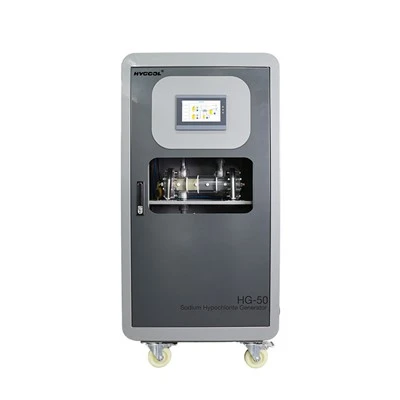
Now, for those of you who want the nerdier, behind-the-scenes stuff to back this up, here are the sources I rely on when I’m troubleshooting customer issues: the Pool & Hot Tub Alliance’s guidelines on salt chlorinator operation, and the American Chemical Society’s research on electrolytic chlorine generation for residential pools. Those papers are what we use to make sure our products are calibrated right and our troubleshooting tips are on point.
Swimming Pool Filter System Alright, that’s the tea on why your chlorine’s high and salt’s low. Go test your pool again, and if you’re still stuck, reach out—we’re here to help.
Guangzhou Qiaoyi Water Treatment Technology Co., Ltd.
Guangzhou Qiaoyi Water Treatment Technology Co., Ltd. is one of the most professional salt chlorinator manufacturers and suppliers in China. With abundant experience, we warmly welcome you to wholesale cheap salt chlorinator from our factory. Welcome to contact us for customized service and after-sales service.
Address: Floor 6th, Building 2, No.3, Ketai 1st Road, Baiyun District, Guangzhou 510445, Guangdong Province, China
E-mail: Hygool@hygool.com
WebSite: https://www.hygool.com/
