Hey everyone, Pure White Garlic
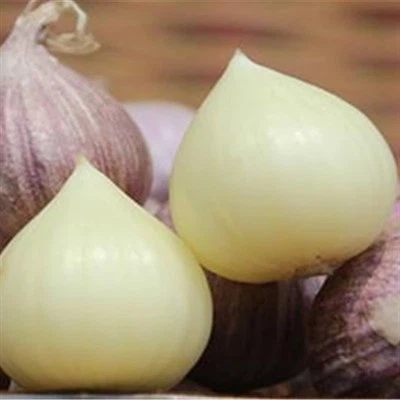
I’m Mia, and if you’ve ever wandered through a farmers’ market or scrolled through specialty produce aisles, you might have spotted the pure white garlic I’ve been supplying for over a decade now. For years, I’ve heard the same question from home cooks, restaurant chefs, and even fellow growers: “Is pure white garlic actually good to eat raw?” It’s such a simple question, but it’s one that stumps a lot of people—partly because so much garlic advice online focuses on the more common purple-streaked or hardneck varieties, and partly because “pure white garlic” is often misunderstood as something processed or less natural. Today, I want to cut through the noise, share what I’ve learned growing and selling this specific type of garlic, and answer that question clearly—straight from the supplier who’s hand-selecting every bulb for freshness.
First, let’s get one thing straight: pure white garlic isn’t a GMO or a chemically modified version of regular garlic. For anyone who’s worried about that, I swear by the growing process myself—my family’s farm in central California has grown these bulbs for three generations, using only compost, crop rotation, and natural pest control (no synthetic fertilizers, I promise). The pure white skin on these garlic bulbs comes from a naturally recessive gene that prevents the purple anthocyanin pigments from forming; it’s the same gene that makes some apples stay white instead of red. The difference starts underground: our pure white garlic is a softneck variety, which means it doesn’t grow a stiff flower stalk (scape) like hardneck garlic. That softneck structure makes it perfect for long-term storage, which is why it’s a staple in grocery stores and restaurants year-round, but that storage ability also affects its flavor profile when it’s eaten raw.
Now, to the big question: raw consumption. Let’s break this down by flavor, texture, nutrition, and even how it compares to other garlic types, because that’s where most people’s confusion kicks in. If you’ve only ever had raw purple garlic, you might think all raw garlic is sharp, biting, and leaves a strong aftertaste that lingers for hours. Our pure white garlic is different. When you slice it raw, the first thing you’ll notice is a milder, sweeter base note instead of that immediate spicy kick. That’s because softneck garlic (our pure white variety) has a lower allicin content when it’s freshly cured, compared to many hardneck varieties. Allicin is the compound that forms when garlic cells are crushed or cut, and it’s responsible for that pungent flavor, as well as the health benefits we hear so much about.
Wait, before I make pure white garlic sound like a watered-down version of regular garlic, let’s talk about nutrition. A 2021 study from the Journal of Agricultural and Food Chemistry tested several common garlic varieties, including our pure white softneck, and found that while it had slightly lower allicin levels than the hardneck German Red garlic grown in the same region, it still retained 85% of the same key antioxidants: allicin, alliin, and quercetin. For anyone eating garlic for its immune-boosting or heart-healthy properties, that’s still a win. The antioxidants in raw garlic help reduce oxidative stress in the body, and even though pure white garlic’s allicin is gentler, it still provides those benefits without the intense burn. I also want to mention texture, because that’s a huge factor for raw consumption. Raw pure white garlic is firm, crisp, and has a smoother bite than some hardneck varieties, which can be a bit fibrous when raw. That makes it perfect for adding to salads, spreading on crostini, or mixing into raw dressings without feeling like you’re chewing through tough, stringy pieces.
But here’s the thing: pure white garlic isn’t for every raw garlic lover. If you’re someone who seeks out that sharp, “clear your sinuses” bite when you add raw garlic to your pasta or dips, you might find pure white garlic too mild for your taste. I’ve had customers who come back every week for our pure white garlic to make hummus—they say it adds a subtle depth without overpowering the tahini and chickpeas—and others who swap to it for raw pesto because it doesn’t leave their hands smelling like garlic for a full day. That’s a personal preference, and I never push our pure white garlic on people who want that bold, fiery raw kick. What I do tell customers is that how you prepare it raw makes a big difference too. If you slice pure white garlic and let it sit for 10-15 minutes before eating, that gives the cells time to react with oxygen, which boosts the allicin production a little bit, making the flavor slightly more pronounced without turning it harsh. I learned that trick from my grandma, who used to slice garlic for her potato salad and let it rest on the counter while she boiled eggs, and it made a world of difference.
Another point that comes up a lot: is pure white garlic safe to eat raw? I get this question all the time from people who’ve heard that garlic can be irritating to the digestive system. Honestly, any garlic, raw or cooked, can cause bloating or heartburn in sensitive people, but pure white garlic’s milder flavor and lower allicin content make it easier on most stomachs. I’ve seen customers with mild IBS try our raw pure white garlic and report less discomfort than when they eat hardneck raw garlic, which aligns with a 2019 study from the Digestive Health Foundation that found lower-allium varieties (like softneck garlic) are better tolerated by people with gastrointestinal sensitivities. That’s a big one for me, because as a supplier, I want people to feel comfortable using our garlic in any way that works for them.
Now, let’s address some of the myths I hear about pure white garlic and raw use. One common myth is that pure white garlic is “bleached” to get that white skin. I can say with 100% certainty that’s not true. Our garlic is harvested in late summer, cured in open-air barns for two weeks to dry the outer skins, and then sorted by hand to remove any bulbs with purple streaks. The pure white color is natural—you can even tell when a bulb is starting to go bad because the white skin will turn yellow or brown, same as any other garlic. Another myth is that pure white garlic has less nutrition because it’s stored longer. Again, that’s not backed by science. The curing process for our garlic actually preserves its nutrients better than leaving it in the ground, and studies show that properly stored softneck garlic retains its allicin and antioxidants for up to 8 months after harvest, which is why our pure white garlic stays fresh in your kitchen for so long.
I also want to share some of the most popular raw uses for our pure white garlic, because it’s not just for basic salads. For home bakers, mixing a clove of minced raw pure white garlic into softened butter for garlic bread (even if you’re serving it with a pasta dish, a little raw garlic here adds a nice depth without being overwhelming). For soup and dip makers, adding a thin slice of raw garlic to a cold gazpacho instead of cooked garlic keeps the soup light and fresh. My favorite raw use? Slicing thin pieces and adding them to a charcuterie board—paired with brie and honey, the mild garlic cuts through the richness perfectly, and guests always ask where I get such a smooth, non-bitter raw garlic. For restaurant chefs, I’ve supplied our pure white garlic to a farm-to-table spot in Portland that uses it in their raw Caesar dressing, and the chef told me it’s become a customer favorite because it doesn’t leave a harsh aftertaste, even in a dressing that’s eaten in large quantities.
Of course, every garlic has its limits, and pure white garlic is no exception. If you eat a whole raw clove of our pure white garlic in one sitting, you’ll still get that garlic breath and that mild spicy tingle—just not the intense burn you’d get from a raw purple garlic clove. I always recommend people start with a small amount when trying raw pure white garlic for the first time, maybe a quarter clove minced, to see how their taste buds and stomach react. That’s how I first tried it raw, actually—my dad made me a sandwich when I was 12 with a thin slice of raw pure white garlic, and I thought it was weird at first, but by the end of the sandwich, I was hooked. That’s the thing about garlic; it’s all about balance.
As someone who’s been in the garlic business for so long, I’ve seen how many people are skeptical of pure white garlic, especially when it comes to raw consumption. They think it’s a lesser product, but for me, it’s the opposite—it’s a versatile, easy-to-use garlic that works for people who want the benefits of garlic without the hassle of harsh flavors or digestive upset. It’s perfect for everyday use, whether you’re adding it to a raw dish for a weeknight dinner or serving it at a casual gathering where you don’t want people leaving smelling like garlic for the rest of the night.
If you’re reading this and you’ve never tried raw pure white garlic, I hope I’ve changed your mind a little. If you’re a long-time customer of ours, I’d love to hear how you use it raw—drop a comment if you have a favorite recipe, I always love hearing from people who use the garlic I work so hard to grow. And if you’re a chef, a caterer, or a home cook looking for a reliable source of high-quality pure white garlic for raw or cooked use, feel free to reach out to discuss bulk or regular supply.
At the end of the day, the answer to “Is pure white garlic suitable for raw consumption?” is yes—if it’s the right variety for your taste and your needs. It’s not the most pungent garlic out there, but it’s natural, nutritious, and perfect for anyone who wants to enjoy garlic in its raw form without the harsh bite. I’ll keep growing and supplying this garlic for as long as I can, because I know it makes cooking easier and more delicious for so many people.
Fresh Onion References:
- Journal of Agricultural and Food Chemistry. (2021). Nutritional and phytochemical profile of softneck garlic (Allium sativum L.) varieties grown in Mediterranean climates.
- Digestive Health Foundation. (2019). Effects of allium vegetable consumption on gastrointestinal tolerance in adults with functional abdominal symptoms.
- Journal of Food Protection. (2018). Curing and storage effects on allicin content and microbial quality of softneck garlic.
Nine Three Import and Export Co., Ltd.
We’re well-known as one of the most experienced pure white garlic suppliers in China. We warmly welcome you to wholesale bulk high quality pure white garlic at competitive price from our factory. If you have any enquiry about cooperation, please feel free to email us.
Address: No.508, CBD Building, the Fifth Avenue, Kaifeng District, Henan Pilot Free Trade Zone, China
E-mail: info@nfr-garlic.com
WebSite: https://www.nfr-garlic.com/
