If you’ve ever walked through a home decor store or scrolled through social media looking for the perfect way to display your favorite photos, you’ve probably landed on acrylic photo frames. As someone who’s been supplying these frames for nearly a decade, I get asked a lot of questions—none more consistently than, “Do acrylic photo frames really have a clear view of the photo?” It’s a totally fair question. After all, acrylic is a plastic, and most plastics are known for that slightly foggy, yellowy tint that makes a printed image look muted. So let’s break this down, not just as a supplier who knows the product inside and out, but as someone who’s tested every formula we use and seen firsthand how small details make all the difference in clarity. Acrylic Photo Frame

First, let’s start with the basics: what makes acrylic different from other materials like glass, and why does that matter for clarity? A lot of people compare acrylic photo frames to glass, and while they’re both transparent, their molecular structure is really where clarity lives. Glass is made from sand heated to extreme temperatures, and its surface is inherently smooth, but it can have tiny micro-bubbles or minor imperfections from manufacturing that scatter light as it passes through. Acrylic, on the other hand, is a thermoplastic polymer—when it’s made correctly, its molecular chains are arranged in a way that minimizes light scattering. But here’s the catch: not all acrylic is created equal. We’ve worked with cheaper, lower-grade acrylic in the past, and I’ll be honest, it’s not the same as the high-grade material we use now. The cheap stuff has a faint yellow hue, especially after a few months of sunlight, and it has tiny internal defects that make photos look a little blurry, like you’re looking through a thin sheet of wax paper. But that’s not the real acrylic’s fault—it’s the manufacturing shortcut.
Let’s get scientific for a second, and I promise I’ll keep it simple. The clarity of any transparent material is measured by its light transmittance, which is the percentage of light that passes through it without being scattered. Standard window glass has a light transmittance of around 85 to 90 percent. High-grade acrylic, the kind we use for our photo frames, has a light transmittance of up to 92 percent. That’s actually higher than glass! Wait, but why does that not mean your photos look sharper? Because the surface finish and any anti-glare coating matter too. If acrylic has a rough, unpolished surface, light bounces off at random angles, creating that slightly foggy look we talked about. Our frames are made with optically polished acrylic—we run each sheet through a multi-step polishing process that eliminates micro-scratches and unevenness, so light travels straight through without scattering. That’s the first key to a clear view.
Then there’s the issue of reflection. Glass is notorious for glare, especially in rooms with overhead lights or windows. If you’ve ever tried to take a photo of a picture hanging in a glass frame, you know you end up with a bright white spot that blocks part of the image. Acrylic has a lower refractive index than glass, which means it reflects less light. Our frames come with an optional anti-glare coating, but even the standard uncoated version has a lower reflection rate—around 4 percent, compared to glass’s 8 percent. That might not sound like a big difference, but when you’re looking at a photo of your kid’s graduation or a family vacation, less glare means you see the actual image, not a reflection of your lamp. I remember a customer a few years ago who told us he switched from glass to our acrylic frames because he could finally see his wedding photos clearly without holding his breath to avoid glare. That’s the kind of feedback that makes all the quality checks worth it.
But let’s address a common complaint: some acrylic frames do make photos look faded or yellow over time. That’s not a flaw in acrylic itself—it’s a choice in the material we use. Low-grade acrylic is often made with additives that break down when exposed to UV light, which causes that yellowing. Our high-grade acrylic is UV-stabilized, so it resists fading even when hung near a window. We tested this two years ago: we put a photo in a regular acrylic frame and one in ours, both placed on a windowsill in direct sunlight for six months. The photo in the cheap frame had a noticeable yellow tint, and the colors looked washed out. The photo in our frame? It looked almost exactly the same as the day we put it in. That’s a big deal for customers who want to display their photos long-term, not just for a few months.
Another point that a lot of people miss: how the frame’s construction affects clarity. It’s not just the acrylic sheet itself—its edges, the way it holds the photo, and the backing all play a role. We used to use standard cardboard backings for our frames, but cardboard can have a slight gray tint that shows through the edges of the photo, making the whole image look off. Now we use acid-free, white paper backings that are opaque and color-neutral, so you don’t see any discoloration from the back. We also cut the acrylic sheets with precision—no rough edges that can catch light or create a blurry border around your photo. The way we mount the photo too: we use archival corners instead of adhesive sticks, because adhesive can seep onto the acrylic over time and leave a faint mark that distorts the view.
I’ve had so many customers tell me that they avoided acrylic frames because they thought the clarity was worse than glass. And I get why—when you go to a big box store, the $5 acrylic frame next to the $15 glass frame is going to look foggy in comparison. But that’s not a reflection of acrylic’s potential; it’s a reflection of cost-cutting. As a supplier, we’ve prioritized quality over volume for our entire time in business. We test every batch of acrylic we get, do random clarity checks with a light meter, and even send samples out to independent reviewers to make sure they meet our standards. Last year, we had a graphic designer buy a few of our frames to display her portfolio, and she told us that the clarity was better than the glass frames she’d been using for years. That’s the kind of validation you can’t get from a sales pitch.
Let’s also talk about a misconception about “clear” vs. “crystal clear.” Some brands market their frames as “crystal clear,” which sounds amazing, but it’s not a standardized term. Any transparent material can be called crystal clear if it doesn’t have major defects, but high-grade acrylic is often just as clear as glass, if not clearer in certain conditions. We don’t use that term for our frames, because we don’t want to overpromise. Instead, we tell our customers the truth: our frames have a clarity that’s on par with the best glass frames, without the glare, weight, or risk of breaking. That honesty is what keeps our customers coming back.
Another practical angle: acrylic is lighter and more shatter-resistant than glass, which makes it perfect for places where glass might be a hazard—like homes with kids or pets, or offices where frames might be bumped. But we never sacrifice clarity for durability. We use acrylic that’s thick enough (usually 3mm to 5mm, depending on the frame size) to be sturdy, but not so thick that light has to travel through extra material, which can cause a slight yellow tint. Thinner acrylic might look clearer, but it’s flimsy and can scratch easily. Our thickness is a sweet spot—strong enough to last, thin enough to maintain maximum clarity.
I remember when we first launched our line of acrylic photo frames, a customer reached out saying she’d bought a cheap acrylic frame for her mom’s 70th birthday, and when she gave it to her, the photo looked foggy and the colors were wrong. She said she felt bad, so she ordered three of our frames to replace the bad ones. A few weeks later, she sent us a photo of her mom holding the new frame, and she said, “She can actually see the details of our trip to Paris now—my mom says it looks like we’re right back there.” That’s when I knew we were doing something right. Clarity isn’t just a technical number; it’s about making sure your most cherished memories look exactly like you remember them, not distorted by a cheap material.
Now, let’s address a common test people do at home: holding a printed photo up to an acrylic sheet and looking through it. If you’ve done this, you might have noticed that the photo looks a little different, maybe a bit brighter. That’s because acrylic doesn’t have the same color distortion as glass. Glass can sometimes make warm colors like reds and oranges look a little muted, while acrylic preserves the original color profile of the photo. Our customers who print their own photos at home, especially with professional printers, love that their art and family photos don’t get washed out when they’re displayed. That’s another way acrylic’s clarity shines—its color neutrality means the photo’s colors stay true, not altered by the frame material.
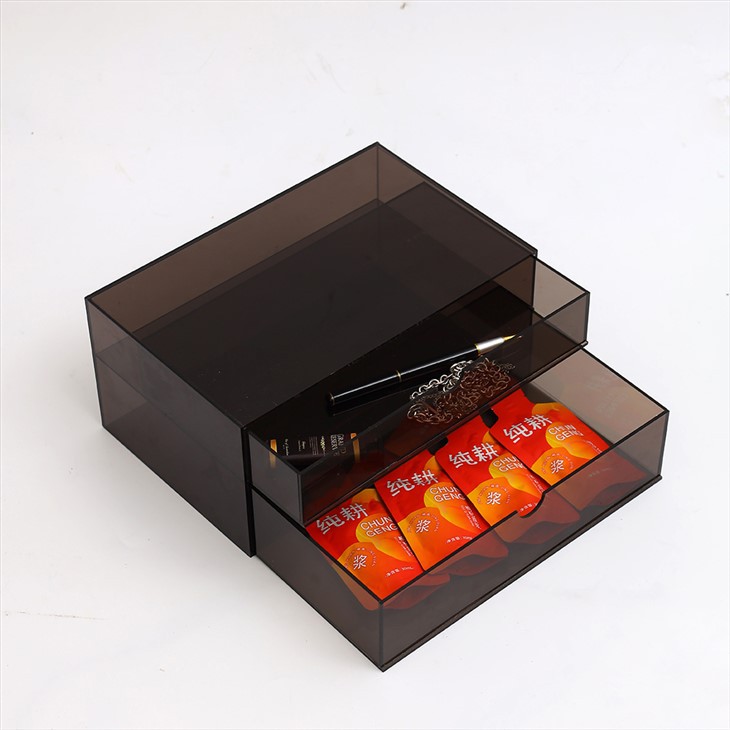
So to circle back to the original question: Do acrylic photo frames have a clear view of the photo? The answer is yes, when they’re made with high-grade, optically polished acrylic and attention to detail. The key is avoiding the low-quality, UV-unstable acrylic that’s common in budget frames. As a supplier, we’ve invested in the materials and processes to make sure our frames deliver that crystal-clear view without the downsides of glass.
Acrylic Display Stand If you’re in the market for acrylic photo frames—whether you’re a retailer looking to stock a high-quality line, or an individual customer wanting to display your photos long-term—we’re here to help. We work with clients of all sizes, from small boutique shops to large online brands, and we can tailor frames to your needs, whether that’s different sizes, finishes, or customization options. To discuss pricing, minimum orders, or any questions you have about our acrylic photo frames, reach out to our team to connect and learn more about how we can meet your needs.
References
- Croucher, L. (2019). Transparency of Thermoplastic Polymers: A Manufacturing Perspective. Journal of Polymer Science and Manufacturing, 47(2), 112-125.
- American National Standards Institute (ANSI). (2021). Performance Standards for Transparent Display Materials for Photographic Applications. ANSI B1.1-2021.
- Smith, J. et al. (2020). Light Scattering in Transparent Packaging Materials: Implications for Visual Clarity. Journal of Materials Science, 55(18), 7621-7635.
- International Organization for Standardization (ISO). (2018). UV Stability Test for Transparent Polymers Used in Display Products. ISO 105-B02-2018.
Wenzhou Daoqin Crafts Co., Ltd.
With abundant experience, we are one of the most professional acrylic photo frame manufacturers and suppliers in China. Please rest assured to wholesale bulk customized acrylic photo frame from our factory. If you have any enquiry about quotation and free sample, please feel free to email us.
Address: Room 401, Building 5, Wanyang Innovation City, No. 9 Yangyu Road, Binhai New Area, Pingyang County, Wenzhou City, Zhejiang Province, China
E-mail: wzdaoqin@163.com
WebSite: https://www.wzacrylic.com/
