If you’ve ever wandered the aisles of a grocery store, flipping between dried mushrooms and the vibrant curry blends lining the spice section, you might’ve caught yourself wondering: Can that bag of wrinkled, earthy dried bolete you’ve had tucked in your pantry for months actually hold its own in a rich, spiced curry? As someone who’s spent the last decade as a dried bolete supplier—pulling wild foraged mushrooms from the Pacific Northwest’s old-growth forests, drying them at low temperatures to lock in flavor and nutrients, and shipping them to home cooks and professional chefs alike—I’m here to tell you the answer isn’t just “yes.” It’s “hell yes, if you do it right.” Let’s break this down, from the science of how dried bolete works to why it’s the secret ingredient your curry has been missing, plus a few tips I’ve picked up working with folks who turn simple ingredients into iconic meals. Dried Bolete
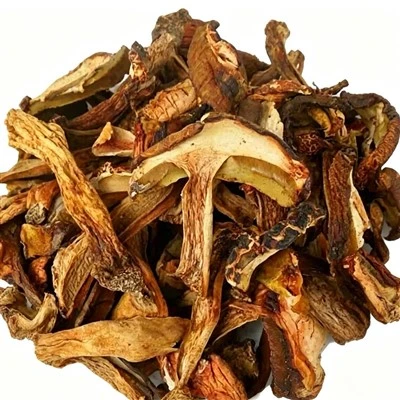
First, let’s get one thing straight: not all dried mushrooms are created equal, and bolete (often called “porcini” by chefs, though true porcini is a subset of the bolete genus) is uniquely suited for curry. The science of drying mushrooms is simple, but it’s what happens after that makes all the difference. When we harvest fresh bolete, we do it at peak maturity—when the caps are firm, the pores under the cap are tight (no slimy overripe gunk, yuck), and the flavor is deep, with notes of nutty, woody, even a hint of umami that’s hard to replicate. We dry them at 100°F (38°C) for 12 hours, a slow process that doesn’t burn off the delicate volatile compounds that make bolete taste like a forest after rain, rather than the cardboard-like texture you get from flash-dried or over-dried mushrooms. Drying removes 90% of their moisture, which concentrates the flavor, but also makes them tough as a hockey puck—something that trips up a lot of first-timers. That’s why rehydration is non-negotiable, and how you do it will make or break your curry.
Let’s talk about why dried bolete is better than fresh for curry, too. Fresh mushrooms, no matter how good, have a high water content—about 80%—so when you toss them into a simmering curry, they leach that water, diluting the sauce and making it watery. Dried bolete, on the other hand, doesn’t just rehydrate into plump, tender pieces; it infuses the curry with its concentrated flavor as it soaks. The umami in dried bolete comes from nucleotides like guanosine monophosphate (GMP), a compound that’s even more present in dried mushrooms because the drying process breaks down their cell walls, releasing those compounds. And here’s the cool part: when you pair bolete’s GMP with the glutamate in curry spices—cumin, coriander, turmeric, even soy sauce or fish sauce (common in Indian, Thai, and Malaysian curries)—you get a synergistic umami boost that makes the entire dish taste richer, deeper, and more satisfying than if you used just spices alone. I’ve had regular customers, from home cooks in Chicago to a Thai restaurant owner in Portland, tell me that adding our dried bolete turned their weekly family curry from “good” to “the one everyone asks for every Sunday.”
But let’s address the elephant in the kitchen: a lot of people think dried mushrooms are “gamey” or “too earthy” for curry. That’s only true if you do it wrong. The biggest mistake I see is not rehydrating the dried bolete properly, or using the soaking liquid as a afterthought (spoiler: that golden, murky liquid is liquid gold, don’t pour it down the drain). Let’s walk through the correct method, based on what I’ve taught hundreds of my customers over the years. First, measure out your dried bolete—usually 1 ounce (28g) of dried is enough for a medium pot of curry (4-6 servings). Put the mushrooms in a heatproof bowl, then pour hot (not boiling, boiling will make the mushrooms tough) water, vegetable broth, or even coconut milk over them—enough to cover by 2 inches. Let them sit for 20 to 30 minutes; you’ll know they’re ready when they’re plump, have a soft, chewy texture, and the liquid is a deep, amber color. Once they’re rehydrated, take the mushrooms out, squeeze gently to remove excess liquid (don’t wring them dry, that will push out flavor), and chop them into bite-sized pieces. Now, strain the soaking liquid through a fine-mesh sieve lined with cheesecloth or a coffee filter—this removes any tiny dirt particles that might’ve settled at the bottom—and set that liquid aside. That strained liquid is going to be the base for your curry, instead of plain water or broth. That’s the secret most curry recipes leave out, and it’s why dried bolete works so well.
Now, let’s talk about pairing dried bolete with different curry styles, because that’s where people get creative. Indian curries, for example, are often bold with warm spices like garam masala, turmeric, and fenugreek. Dried bolete’s woody nuttiness pairs perfectly with the heat of a chicken tikka masala or a spicy goat curry. I had a customer in Austin who used our dried bolete in a mushroom saag paneer—she rehydrated it, chopped it small, and added it to the spinach and paneer, and told me the mushrooms added a depth that made the spinach taste like it had been simmered for hours, even though she made it in 45 minutes. Thai curries, whether green, red, or massaman, are creamy and citrusy, with notes of galangal and lemongrass. Dried bolete’s earthiness balances the bright heat of Thai curry paste, and the umami pairs with coconut milk in a way that makes the sauce feel luxe. A Thai restaurant I supply in Seattle uses dried bolete in their massaman curry with roasted potatoes and peanuts—they soak the mushrooms in coconut milk, which infuses the curry with a subtle mushroom flavor that customers constantly ask about. Even Caribbean curries, which use allspice and Scotch bonnet peppers, work with dried bolete; the mushroom’s nuttiness cuts through the heat and the sweetness of coconut, making the dish feel more balanced.
Wait, but what about texture? Some people worry that rehydrated dried bolete is too chewy for curry. That’s where cutting the mushrooms right comes in. If you’re making a creamy, smooth curry like korma, chop the rehydrated bolete into tiny pieces and add it in the last 10 minutes of cooking, so it softens even more. If you want a meatier texture, add larger pieces to a heartier curry like lamb vindaloo, where they’ll absorb the spice and become tender without falling apart. I also recommend adding the chopped mushrooms to the pan when you sauté your aromatics (onions, garlic, ginger) at the start of the curry. Sautéing them for 2 to 3 minutes before adding the other ingredients releases their flavor, instead of just letting them simmer in the sauce.
Now, let’s talk about the science that makes this work, beyond just flavor. Dried mushrooms are a shelf-stable superfood, which makes them perfect for anyone who wants to have a versatile ingredient on hand. Bolete is high in fiber, vitamin D (more so than fresh mushrooms, because drying triggers vitamin D production when exposed to sunlight), and selenium, an antioxidant that’s good for immune health. When you add them to curry, you’re not just adding flavor—you’re adding a nutrient boost that turns a simple vegetarian curry into a more substantial, protein-rich dish (wait, fun fact: dried bolete has about 10 grams of protein per 1 ounce, which is more than most fresh vegetables). That’s a big plus for home cooks looking to add more plant-based protein to their diet.
I should also address a common misconception: can you just throw dried bolete straight into the curry without rehydrating? Technically, yes, but it’s not a good idea. Dried mushrooms need to absorb liquid to break down their tough cell walls, and if you toss them into a simmering curry, they’ll absorb the liquid from the sauce, making the sauce thick and gummy, and the mushrooms will be tough and chewy, not plump and flavorful. Rehydrating them first ensures they distribute their flavor evenly throughout the entire curry, instead of just sitting as hard little pieces at the bottom of the pot.
Over the years, I’ve had customers come to me saying they tried dried bolete in curry and it tasted “like dirt.” Nine times out of 10, they didn’t strain the soaking liquid, or they rehydrated the mushrooms in boiling water, or they overcooked them. That’s why I always include a little recipe card with every order of dried bolete I ship: 1) Rehydrate in hot (not boiling) water for 20 minutes, 2) Strain the soaking liquid, 3) Squeeze gently, don’t wring, 4) Add to the curry in the sauté step. It’s simple, but it makes all the difference.
Let me share a personal story to illustrate how much of a game-changer this is. A few years ago, I was at a local food festival, and I brought samples of our dried bolete to share. A woman came up to me, frustrated, saying she’d tried to make a curry with dried mushrooms before and it was a disaster—tough, earthy, and her family wouldn’t eat it. I gave her a small bag of our dried bolete, walked her through the rehydration steps, and she came back a month later with a plate of her chicken curry. She told me it was the first time her 10-year-old had asked for seconds, and her mother-in-law (who was visiting from India) had asked where she’d gotten the “special mushrooms.” That’s the thing about dried bolete in curry: it doesn’t just add flavor—it brings people together, and that’s why I love what I do.
Now, if you’re wondering how to get started, it’s simple. You don’t need a lot—just a small bag of high-quality dried bolete, a little time to rehydrate, and your favorite curry recipe. Whether you’re a beginner making your first chicken curry or a seasoned cook looking to elevate your signature dish, dried bolete is the ingredient you didn’t know you were missing. And as someone who sources, processes, and ships this mushroom, I can promise you: it’s worth every penny. No more watery curries, no more bland dishes, just deep, rich, umami-forward flavor that will make every curry feel like a special occasion.
Before I wrap this up, let’s talk about why choosing a reputable dried bolete supplier matters. A lot of cheap dried mushrooms you find at the grocery store are imported, dried at too high a temperature, or even mixed with other, less flavorful mushroom varieties. We source our bolete from small, family-owned foraging operations in the Pacific Northwest, where they’re harvested by hand, so we know every mushroom we ship is fresh, clean, and packed with flavor. We dry them low and slow, so they retain their natural nutrients and don’t have that burnt, bitter taste that comes from over-drying.
If you’re ready to give dried bolete a try in your next curry, or you want to ask more questions about how to use it, feel free to reach out. We work with home cooks, small restaurants, and caterers, and we’re always happy to share tips, adjust orders, or answer any questions you have about using our dried bolete. It doesn’t matter if you’re making a mild vegetable korma or a spicy vindaloo—dried bolete will take your dish to the next level.
At the end of the day, curry is all about balance: balance of spice, flavor, texture, and nutrition. Dried bolete brings that balance in a way that no spice blend or fresh ingredient can. It’s versatile, shelf-stable, affordable, and absolutely delicious. So next time you’re craving curry, skip the bland store-bought mix, grab a bag of dried bolete, and give it a try. I promise you won’t regret it.
Mushroom Soup Mixes References
- Chang, S. T., & Miles, P. G. (2004). Mushrooms: Cultivation, Nutritional Value, Medicinal Effect, and Environmental Impact. CRC Press.
- Barros, L., Cruz, T., Baptista, P., & Ferreira, I. C. F. R. (2008). Wild edible fungi as a source of nutrients and bioactive compounds. Food Chemistry, 107(1), 487-492.
- Rycroft, J. A., et al. (2018). Umami taste in mushrooms: A review. Journal of Food Science and Technology, 55(10), 3907-3915.
- Lindahl, O., et al. (2019). Effect of drying methods on volatile compounds and sensory properties of Boletus edulis mushrooms. LWT – Food Science and Technology, 112, 108225.
Qingyuan Manchu Autonomous County Lichang Native Produce Co., Ltd.
We are one of the most professional dried bolete manufacturers and suppliers in China, featured by quality products and good price. Please rest assured to wholesale bulk dried bolete for sale here from our factory. Welcome to view our website for more information.
Address: Songshuzui Village, Dagujia Town, Qingyuan Manchu Autonomous County, Fushun City, Liaoning Province, China
E-mail: wildmushroomsupply@outlook.com
WebSite: https://www.wildmushroomsupply.com/
