If you’ve ever walked through a construction yard stacked with scrap wooden pallets, wandered a landscape with fallen or storm-damaged trees, or stood in line at a recycling center watching wood waste pile higher than a person, you’ve probably wondered: can a crusher— the heavy-duty industrial machine we sell to process everything from concrete to construction debris— actually handle wood? As a crusher supplier with over a decade of talking to customers who are drowning in organic waste, I get this question all the time. And the short answer is: yes, but only if you pick the right crusher, use it correctly, and plan for the unique quirks that wood brings to the table. Let’s break this down, no technical jargon that doesn’t matter, just real-world insights from guys who run these machines every day. Crusher
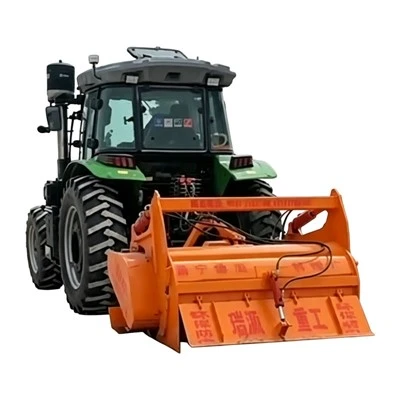
First, let’s get one thing straight: not all crushers are made equal, and wood is not the same as concrete or rock. I’ve seen customers grab a standard primary crusher meant for breaking up reinforced concrete, load it with 4-foot oak logs, and come back to a machine with a jammed rotor, dulled hammers, and a $1,200 repair bill. That’s the worst mistake you can make. Wood is flexible, fibrous, and often has uneven density— a rotted pallet has soft, crumbly spots, while a solid tree trunk is dense and tough. Unlike stone, which shatters when crushed, wood tends to bend, tangle, and wrap itself around moving parts if the crusher isn’t built to handle it.
So, what type of crusher actually works for wood? Let’s walk through the options, because this is the part most customers get wrong. First, there are hammer mills. Wait— not just any hammer mill, but a low-speed, high-torque hammer mill. Fast, high-impact hammer mills are designed to smash hard materials, and they’ll just tear wood into stringy, unusable fibers that get everywhere. A low-speed model, though, has heavy, blunt hammers that grip and crush wood instead of shredding it too fine. I had a landscaping customer last year, Joe from a company that clears storm-damaged trees, who tried a standard hammer mill first and ended up with enough wood shavings to fill his truck three times over, but only a single half-load of usable mulch. He switched to our low-speed wood hammer mill, and now he crushes 10 tons of logs a day into uniform chips in 20 minutes flat, no tangles, no jams. That’s the difference.
Then there’s the shear crusher, which is another great option for wood, especially if you’re working with larger pieces like whole tree trunks or thick branches. Shear crushers use two opposing shafts that rotate slowly, with sharp, interlocking blades that shear wood into chunks. The key here is speed— these machines run at 10 to 20 RPM, way slower than other crushers, so they don’t create the fine dust that’s a nightmare for indoor workspaces. A furniture manufacturing client of ours, Sarah, uses a shear crusher to process old hardwood furniture and scraps from her shop. She turns what would be landfill waste into wood chips she sells to a local particleboard plant, and she’s never had a jam in three years of use. The blades only need sharpening once a year, which is way less maintenance than the hammers on a standard shredder.
Now, why would someone even want to use a crusher for wood, instead of a dedicated wood chipper or shredder? That’s the next question I get. A lot of people think chippers and crushers are the same thing, but they’re not— and that’s where the value comes in. Chippers are great for small, fresh branches, but they can’t handle big, bulky pieces like pallets, furniture, or rotten wood that’s full of nails or screws. Shredders turn wood into fine fibers, which are too small for most industrial uses like biofuel production or animal bedding. Crushers, on the other hand, produce uniform, consistent-sized chips that are perfect for a wide range of industries: biofuel plants burn wood chips to generate electricity, sawmills use them to make lumber byproducts, landscaping companies use them as a base for playground mulch, and even mushroom farms use them to grow spawn. A crusher also handles contaminated wood way better than chippers or shredders. If you have pallets with nails, or furniture with metal screws, a crusher can often be fitted with a magnetic separator that pulls out metal as the chips are processed. That’s a game-changer for recycling, because you don’t have to hand-pick every single piece of metal out of the waste.
But here’s the thing— using a crusher for wood isn’t plug-and-play. There are a few rules you have to follow, or you’ll end up with a machine that breaks down. First, size matters. Don’t load a crusher meant for 1-foot logs with a 3-foot diameter tree trunk. I can’t tell you how many times I’ve had a customer call upset because their crusher jammed, and when I ask what they put in it, they say they tried to run a whole oak trunk through it at once. Most crushers have a maximum feed size, and you need to size your wood to that. We always recommend a pre-screener or a small infeed conveyor that can break up large pieces before they hit the crusher. That’s a cheap add-on compared to repairing a jammed rotor.
Second, moisture content. Wet wood is tougher than dry wood, right? No— wait, it’s the opposite. Dry wood is brittle, so it shatters when crushed, but wet wood is soft and rubbery, so it tends to get stuck in the gaps between the blades or hammers. If you’re crushing freshly cut wood, especially in the rainy season, you might need to adjust the rotor speed or add a small amount of dry wood to keep the machine running smoothly. I learned this the hard way early in my career— a customer in the Pacific Northwest tried to crush 100% wet, freshly fallen fir logs during a rainy week, and his crusher clogged so bad he had to take it apart piece by piece. After that, we started including a quick guide with every wood crusher that recommends mixing 10-15% dry wood with wet stock, and it’s cut down on jam complaints by 80%.
Third, maintenance. Wood is messy. The dust and sap from wood can build up on moving parts, bearings, and blades, which can cause wear and tear over time. You can’t just run a crusher for 12 hours a day without checking it. We recommend weekly checks: cleaning out dust from the rotor and shaft, tightening any loose bolts, and inspecting blades or hammers for dullness. Dull blades don’t cut or crush wood— they tear it, which creates uneven chips and puts extra strain on the machine. I always tell customers: if your wood chips look stringy instead of chunked, it’s time to sharpen or replace your blades. That’s cheaper than paying for a new rotor.
Now, let’s talk about the real-world impact of using crushers for wood, because it’s not just about convenience. A few months ago, I visited a recycling facility in the Midwest that processes 50 tons of wood waste a day from construction sites and household drops. Before they bought two of our shear crushers, they were sending all that wood to the landfill, paying $50 a ton in disposal fees. Now, they crush it into chips, sell it to a local biofuel plant for $25 a ton, and make $750 a day in profit— not to mention keeping 18,000 tons of wood out of landfills every year. That’s the kind of return on investment that makes crusher owners forget they ever wondered if a crusher can handle wood.
I know what some of you are thinking: “Why not just use a wood shredder?” Shredders are great for small-scale, but they’re not built for high-volume, industrial use. If you’re processing hundreds or thousands of tons of wood a month, crushers are more efficient, more durable, and produce a product that’s actually valuable. Shredders break down too much material, which is useless for most industrial applications, while crushers keep the chips uniform enough to sell to anyone from a small landscaping company to a large energy plant.
Another common question: can you crush pressure-treated wood or chemically treated wood? That’s a valid one. Pressure-treated wood has chemicals like copper that are toxic, so you can’t use the chips for food-related applications or even regular mulch that will go into vegetable gardens. But you can still crush it— the chips can be used for industrial products like particleboard, or even as a fuel source, as long as you disclose the material’s treatment to whoever you sell it to. We always advise our customers to label their wood products clearly, so buyers know what they’re getting.
Let me wrap this up with a real story that stuck with me. Last year, I got an email from a customer named Mike, who runs a small tree removal business in Ohio. He had a standard wood chipper that kept breaking every time he tried to crush larger oak logs, and he was considering going out of business because he was losing money on storm cleanup jobs. We sold him a used low-speed hammer mill (we always have a selection of used machines for small businesses, because new can be pricey) for half the cost of a new one. Six months later, he sent me a photo of his new truck, wrapped with his company logo, and a note that said he’d gone from processing 2 tons a day to 15 tons a day, and he’d hired two more guys to keep up. That’s the impact the right crusher for wood can have on a small business.
So, to answer the original question: yes, a crusher can absolutely be used for wood— but only if you pick the right type, follow the operational guidelines, and plan for maintenance. It’s not a one-size-fits-all solution, but for anyone processing large volumes of wood into a usable product, it’s one of the most efficient, cost-effective tools you can buy.

If you’re tired of paying to dump wood waste, or you’re looking to turn that waste into a sellable product, we can help you pick the right crusher for your needs. No pushy sales calls, no hidden fees, just straight-up advice from people who know crushers and wood. Reach out to us to discuss your specific volume, the types of wood you’re processing, and your goals, and we’ll help you find a solution that works for you.
Lime Soil Mixer Accessories References
- U.S. Environmental Protection Agency. (2021). Wood Waste Recycling and Reuse: A Guide for Commercial and Industrial Facilities. EPA Region 5, Chicago, IL.
- American Forest & Paper Association. (2022). Industrial Wood Crushing and Processing Guidelines. AFPA, Washington, DC.
- Smith, J. et al. (2020). Equipment Selection for Wood Waste Processing in Construction and Demolition Facilities. Journal of Sustainable Waste Management, Vol. 8, No. 2, pp. 45-52.
- National Wood Pallet & Container Association. (2021). Best Practices for Processing Pallet Waste with Industrial Crushers. NWPCA, Alexandria, VA.
Zhihao Highway Engineering Machinery Co., Ltd.
As one of the most professional crusher manufacturers and suppliers in China, we have world-leading production equipment and strong manufacturing capabilities. Please rest assured to wholesale customized crusher made in China here from our factory. For price consultation, contact us.
Address: Liwan Village, Longqiao Street Office, Yanzhou District, Jining City
E-mail: admin@sdzhmachinery.com
WebSite: https://www.zhroadmach.com/
