Let’s cut to the chase—if you’re in construction, civil engineering, or road building, you know that rock and aggregate testing isn’t just “smashing rocks to see how strong they are.” That stuff is the backbone of every infrastructure project, from a tiny residential sidewalk to a highway that carries 10,000 cars a day. A lot of new clients reach out to me (we supply the testing gear, fyi) and ask the same question: “Can my guys just pick this equipment up and run tests without extra training?” Spoiler: If that’s what you’re planning, you’re setting yourself up for mistakes that could sink your project—and cost way more in the long run. Here’s why special training isn’t a “nice-to-have”—it’s non-negotiable for using rock and aggregate testing equipment. Rock and Aggregate Testing Equipment
First, let’s talk about how complex even the most common tests actually are, and why a untrained operator will mess them up. Take the Los Angeles Abrasion Test, for example—this is the big one used to measure how well aggregates hold up to wear and tear, perfect for road base or concrete mixes. On paper, it sounds simple: put 5000 grams of graded aggregate into a steel drum with steel balls, spin it 500 times, sieve the material, and calculate the percentage of material that’s smaller than the 1.7mm sieve. But here’s the thing: skip the fine print, and your result is garbage. For example, if you under-weigh the aggregate sample by even 10 grams, that’s a 0.2% error that might sound tiny—but for a highway project, that 0.2% could mean using aggregate that’s too soft, leading to potholes a year after construction. Or, if you load the drum unevenly, the steel balls don’t tumble the right way, so they don’t abrade the aggregate correctly. A lot of guys I’ve worked with tried this test once, skipped the training, and ended up re-running it three times because their numbers were all over the place. That’s wasted time, wasted materials, and delayed projects—all because they thought “smashing rocks is easy.”
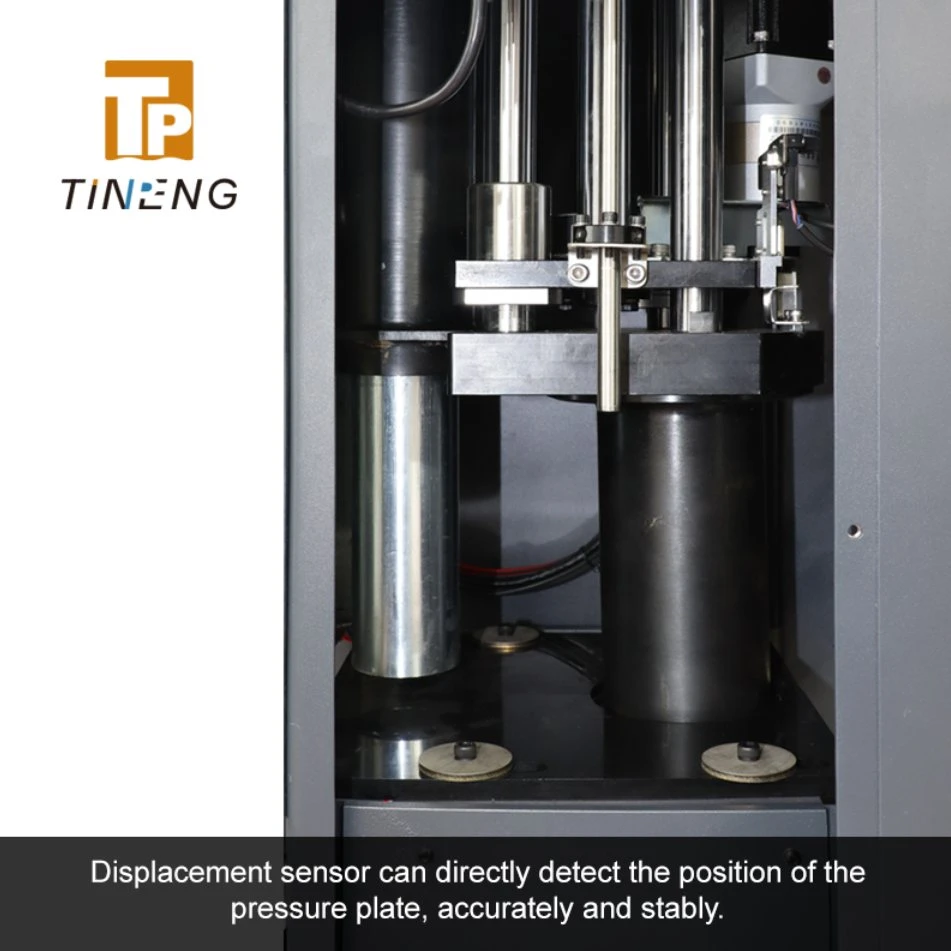
Then there’s the technical side of the equipment itself. You wouldn’t hop in a semi-truck and drive it without lessons, right? Same logic applies here. Our hydraulic compression testers, for example, are precision tools that can exert up to 300,000 pounds of force—enough to crush a small car. If you don’t know how to calibrate the load cell properly, you can get readings that are off by 10, 20, even 30%—which is a huge deal when you’re testing for the compressive strength of concrete for a bridge abutment. Worse, if you don’t know the safety protocols, you could get seriously hurt. I’ve heard horror stories of untrained operators getting hit by flying aggregate when the sample shatters unexpectedly, or having the machine’s pressure relief valve fail because no one checked it. The training covers all that: how to do a pre-use inspection, adjust the pressure settings, stop the machine if something’s off, and dispose of broken samples safely. It’s not just about getting accurate data—it’s about not ending up in the ER or having a $10k piece of equipment damaged because you pressed the wrong button.
Wait, but some guys will say “I used to work on a crew that just winged it with that gear” or “I watched a YouTube video and got it.” Let’s be real—YouTube tutorials are great for basic stuff, but rock and aggregate testing has super specific standards, right? We’re not talking about guessing—there are set rules from organizations like ASTM (American Society for Testing and Materials) and AASHTO (American Association of State Highway and Transportation Officials) that every test has to follow. For example, the Fine Aggregate Angularity Test—you have to use a specific sieve size, a specific amount of material, a specific dropping height for the particles, and even the temperature of the room matters because it affects how the particles interact. A good training course doesn’t just show you how to press “start”—it walks you through every step of those standards, explains why each rule exists, and how to troubleshoot when a test doesn’t make sense. I had a client last month who tried the specific gravity test on their own and got a result that was way off. Turned out they soaked the aggregate for only 12 hours instead of the required 24—something YouTube didn’t mention because most tutorials are for general use, not industry-specific standards. They lost a week waiting for a retest, which pushed their project back. All because they skipped the training.
Another big one: data integrity and documentation. For big projects, especially public works ones, you can’t just hand in a test result you wrote down on a scrap of paper. You need to track every step of the process, record exact readings, and have proof that the test was done correctly. Most of the modern testing equipment we sell connects to software that does this automatically, but you have to know how to use that software. If you don’t know how to input the correct test ID, sample number, or date, you can end up with invalid results that get rejected by the project engineer. I’ve had several clients come to us because their test results were denied by DOT (Department of Transportation) inspectors, and it wasn’t because the equipment was bad—it was because their operator didn’t know how to properly log the data. The training covers not just the equipment, but the whole workflow: from preparing samples to submitting results, which is just as important as the test itself.
Now, let’s talk about what happens when you do get proper training. I worked with a small construction company in Texas a few months back that bought our full line of equipment for their new road crew. Their guys did our 2-day on-site training, and within their first month, they cut their testing time by 15% and had zero retests. They told me that before, they’d spend half their week re-running tests because their numbers were inconsistent, but after training, every result was accepted on the first try. That’s money they saved on materials and labor, and they were able to take on more projects because they weren’t delayed by bad test data. Another client, a large engineering firm, said that since their operators got certified (many testing jobs require OSHA certification now, too), their project approval rate went up by 20%—inspectors trust that the tests are done right.
But wait, is all training equal? No way. A quick 2-hour online course from a random site isn’t the same as hands-on training with equipment like ours. The good training should be hands-on, not just watching someone else do it. You should get to run the equipment yourself, make mistakes in a controlled environment, and have an expert walk you through fixing them. Also, make sure the training covers the specific tests you’ll actually use—if you’re doing road construction, you don’t need to learn every single aggregate test, just the ones relevant to your work (LA abrasion, compression, specific gravity, etc.). We offer both on-site and virtual training, tailored to the gear our clients buy, and we’ve found that hands-on is way more effective.
Let’s get back to the original question: does rock and aggregate testing equipment need special training to use? The short answer is a resounding YES—unless you want inaccurate data, delayed projects, safety risks, and failed inspections. This isn’t stuff you can learn from a 10-minute YouTube video or a vague instruction manual. It’s precision work that follows strict standards, and the equipment is built to handle heavy loads that can be dangerous if misused.
If you’re in the market for testing gear, don’t cut corners on training. We’ve seen too many clients buy cheap equipment and skip training, only to regret it later. Our team doesn’t just sell you a machine and disappear—we help you set it up, train your operators, and offer ongoing support if you run into issues. Investing in proper training from the start will save you thousands of dollars, keep your projects on track, and make sure your tests are accurate every single time.
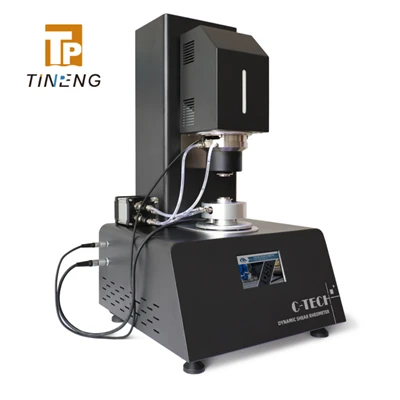
If you’re ready to pick out the right rock and aggregate testing equipment for your projects and talk about training options, reach out to our team. We can walk you through which tests you need, what equipment fits your budget, and how to get your operators up to speed quickly. Don’t let bad testing hold your projects back—let’s get you set up for success.
Sample Grading Apparatus References
ASTM International. (2022). Standard Test Methods for Resistance to Abrasion of Small Size Coarse Aggregate by Use of the Los Angeles Machine. ASTM C131/C131M-22.
AASHTO. (2021). Standard Method of Test for Resistance to Degradation of Small-Size Coarse Aggregate by Abrasion and Impact in the Los Angeles Machine. AASHTO T 96-21.
Occupational Safety and Health Administration (OSHA). (2023). Safety and Health Regulations for Construction. 29 CFR Part 1926.
Zhuozhou Tianpeng Imp. and Exp. Trade Co., Ltd.
Zhuozhou Tianpeng Imp. and Exp. Trade Co., Ltd. is one of the most professional rock and aggregate testing equipment manufacturers and suppliers in China, featured by quality products and good price. Please rest assured to buy advanced rock and aggregate testing equipment made in China here from our factory. Customized orders are welcome.
Address: Building C28, Hegu Technology Industrial Park, Development Zone, Zhuozhou, Hebei, China
E-mail: zhangdajing@testmould.com
WebSite: https://www.testmould.net/
