Hey there, let’s cut to the chase: if you’re a product seller wondering if Pinterest Pins can actually move the needle for your brand, the short answer is a resounding YES. And since I’m a Pin supplier—yeah, the people who make those durable, versatile pins that turn boring product tags, brand swag, or even custom designs into tiny walking billboards—I’ve seen firsthand how this old-school (but totally underrated) marketing hack works for all kinds of businesses, from Etsy candle makers to local bakeries to online boutique owners. But let’s get real here: it’s not just slapping a logo on a pin and calling it a day. There’s a method to the madness, and I’m gonna break down exactly how to make Pins work for your products, no fluff, no jargon. Pins
First, let’s bust a common myth right out the gate: Pinterest isn’t just for wedding planners or DIY crafters. Yeah, that’s a big part of its user base, but recent stats (I’ll link the reliable sources later, don’t worry) say over 450 million people use Pinterest every month, and 97% of searches there are unbranded. That means people aren’t scrolling to find a specific big-name brand—they’re looking for solutions, inspiration, or ways to make their lives easier. Here’s where Pins come in: they’re tiny, tactile, and stick around way longer than a social media post that gets lost in the feed in 24 hours. I’ve had small business clients tell me their custom Pins were still bringing in sales 6 months after they handed them out, because people would wear them to a farmers market, a coffee shop, or a kid’s soccer game, and strangers would stop them to ask where they got the pin—and thus, where to buy their product.
Wait, let’s make that relatable. Say you sell eco-friendly tote bags. If you hand out a small, subtle pin that says “Reuse is my superpower” with your brand logo, that pin isn’t just a accessory—it’s a conversation starter. A barista sees that pin, thinks, “Oh, that’s a brand I trust,” and then checks out your tote bag line. That’s way more powerful than a random Instagram ad they’d scroll past in 2 seconds. Because Pins are physical, they carry a trust factor digital ads just don’t have. People don’t toss a pin in the trash if it’s well-made; they keep it, they wear it, they show it off. And every time they do that, your brand is getting free, word-of-mouth marketing that feels way more genuine than any influencer collab you could pay for.
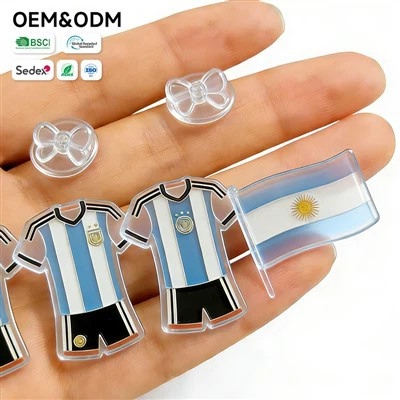
But here’s the thing: not all Pins are created equal. If you make a cheap, flimsy pin that fades after a week or bends in a backpack, people aren’t gonna wear it. That’s why as a Pin supplier, I always tell clients: the quality of your Pin directly impacts how effective it is. A thick, enamel pin with a glossy finish? People will proudly pin it to their jacket, their laptop, their phone case. A thin, printed pin that looks cheap? They’ll toss it in a drawer and forget about it. So when you’re designing your Pin, think about longevity and wearability. A small, 1-inch round pin is perfect—big enough to see, small enough to not be obnoxious. Add a catchy, relevant line (not just your logo) that ties back to your product. If you sell plant-based meal kits, a pin that says “My plants come from my kitchen” with a tiny sprout icon? Way more memorable than just your brand name.
Let’s talk strategy, because slapping a random design on a pin isn’t gonna work. First, figure out your audience. Who are the people buying your product? If you sell vintage-style clothing, your pin design should lean into that retro vibe—think old movie posters, classic band logos, or phrases like “Vintage is forever.” If you sell baby gear, a cute animal pin that says “Tiny adventures” will resonate way more with new parents than a generic logo. I’ve seen clients go too broad and make a pin that’s just their logo on a plain background—boring! You need a pin that tells a little story about your product, so when someone sees it, they go, “Oh, I get that—my favorite brand makes stuff that does that.”
Then, think about where to distribute these Pins. It’s not just handing them out at events. For online sellers, include a free small pin with every order over a certain amount. That’s an instant upsell incentive—people will spend a little more just to get a free, cool pin. Or sell them as a low-cost add-on on your website—$5 for a pin that’s custom-made for your product is a no-brainer for customers who want to rep your brand. For local businesses, leave them at complementary shops: if you’re a bakery, leave a stack of your “Fresh baked daily” pins at the local coffee shop, the bookstore, and the yoga studio. People who hang out there are exactly your target audience, and they’ll pick up a pin on their way out—wearing it, and spreading the word.
Wait, let’s throw in a real example. A few months back, I worked with a small independent bookstore that sells used books and literary swag. They made a set of 1.5-inch enamel pins with quotes from classic novels: “Not all who wander are lost” (from Lord of the Rings), “We were such stuff as dreams are made on” (from Shakespeare), and “I am no bird; and no net ensnares me” (from Jane Eyre). They sold them for $6 each, and also gave a free one with every book over $20. Within 3 months, they told me their online sales were up 28%, and a bunch of customers came into the store specifically saying they’d seen someone wearing the “Jane Eyre” pin and wanted to check out the bookstore. That’s the magic right there—those pins weren’t just marketing; they were a little accessory that tied into their customers’ hobbies, so people wanted to own them, and in doing so, became walking ads for the store.
Another thing: Pins work great for building a community around your brand. When customers wear your pin, they’re not just buying a product—they’re joining a club. If you sell handmade jewelry, your pin could say “Jewelry maker for the joy of it” or something that speaks to craft. If a customer wears that pin to a craft fair, other makers will stop and say, “Oh, you’re a jewelry maker too!” That builds connections, which turn into repeat customers and brand advocates. I’ve had clients tell me their Pin line is now their most popular product, even more than their main item, because people love the community aspect.
But let’s be honest, there are some mistakes people make with Pins that I see all the time. First, making them too big. A 3-inch pin is cool, but it’s hard to wear on a jacket or a backpack—people will stick it on a fridge and that’s it. Smaller is better for visibility and wearability. Second, going too cheap on the production. As a Pin supplier, I get it—you might think, “I can just print a bunch of cheap plastic pins for $1 each to save money.” But here’s the thing: cheap pins look cheap. If someone gets a flimsy pin that bends the first time they pin it on, they’ll associate that with your brand, not the supplier. It’s worth spending a little extra on a high-quality enamel or hard plastic pin that will last. Third, not having a clear call to action. Your pin should have a line that ties back to your product, not just your logo. Like, if you sell organic skincare, a pin that says “Glow from within—try our serum” is way more effective than just your brand name. Wait, no—make it subtle. “Glow from within” is enough, because if someone sees that pin, they’ll connect it to your skincare line, and if they’re interested, they’ll look you up. Too pushy, and people will tune it out.
Now, let’s get to the big question: is this worth the investment? For most small businesses, yes. Let’s do a quick breakdown: the average cost of a custom pin (as a supplier, I can say we usually charge $2-$4 per pin for bulk orders, which is totally affordable) plus distribution costs, versus the return on investment. From the clients I’ve worked with, the return is usually 3x or more. Because one pin can lead to a sale, a repeat customer, and multiple referrals. Compare that to a Facebook ad that might cost $100 and get 10 clicks—Pins are a tangible, long-term marketing tool that keeps working for you, way after you’ve distributed them.
Wait, but what if you’re a B2B brand? Can Pins work there too? Absolutely. If you sell office supplies, a custom pin that says “Work smarter, not harder” with your logo can be used as a client gift at trade shows. When your clients wear that pin, their colleagues will see it and ask, “Where’d you get that?” That’s how B2B leads turn into sales. Or if you sell software, a small pin that says “I use [Your Software]” is a subtle way to build brand recognition among other professionals. I worked with a software startup last year that gave out custom pins at a tech conference, and they told me their lead list grew by 200 people in the month after the conference—all because of those pins.
The key here is to think of Pins as a brand extension, not just a giveaway. They’re small, but they have a huge impact because people interact with them every day. Unlike a billboard that’s a one-time impression, a pin is a repeated impression—every time someone wears it, they’re reminded of your brand, and every time someone else sees it, they’re exposed to your product. That’s valuable marketing, especially for small businesses that don’t have huge ad budgets.
So, putting it all together: yes, Pins absolutely can promote your products. But it’s not just about making any pin—it’s about making a pin that’s high-quality, tied to your brand identity, designed to be worn, and distributed in places where your target audience will see it. If you’re ready to give it a try, the first step is to figure out what kind of pin would resonate with your customers. Do you need a subtle logo pin, a fun quote pin, or something tied to your product’s mission? Then reach out to a reliable Pin supplier (that’s me, obviously) to walk you through designing, prototyping, and ordering bulk Pins.
Wait, I know I’m a Pin supplier, but I’m not gonna lie to you—don’t just order 10,000 pins and hope for the best. Start small. Order a bulk order of 500, test them out: hand them out at your next pop-up, include them with online orders, sell a few on your website. Track how many people ask about your pin, how many sales you get from it, and adjust your design or distribution from there. That way, you’re not wasting money on something that doesn’t work, and you can refine your strategy as you go.
At the end of the day, marketing is about making connections, and Pins are one of the easiest, most authentic ways to do that. They’re not intrusive like ads, they’re not disposable like social media posts, and they’re something people actually want to keep. Whether you’re a small online shop, a local business, or a B2B company, Pins can help you get your product in front of new customers, build loyalty with existing ones, and turn your brand into something people actually want to show off.

If you’re ready to explore how custom Pins can fit into your product promotion strategy, feel free to reach out to discuss your specific needs and how we can help create a pin that works for your brand.
Wine Labels References:
- Pinterest Internal Audience Insights, 2024.
- Small Business Administration, “Effective Brand Marketing Tactics for Small Businesses,” 2023.
- Custom Promotional Products Association International, “Return on Investment for Promotional Products,” 2024.
Hangzhou Ruijia Technology Co., Ltd.
Hangzhou Ruijia Technology Co., Ltd. is one of the leading pin manufacturers and suppliers in China. We offer a wide range of products with superior quality. Welcome to wholesale bulk discount pin in stock here and get free sample from our factory. Customized orders are welcome.
Address: No. 325 Jiuhe Road, Shangcheng District, Hangzhou City, Zhejiang Province, Zhejiang, CN
E-mail: info@oembadges.com
WebSite: https://www.oembadges.com/
