Hey there, fellow folks in the industrial, residential, and maintenance game! Let’s cut to the chase—if you’re hunting for a hose to move sewage, you’ve probably stumbled on rubber hoses and thought, “Wait, can these even handle that messy job?” As a rubber hose supplier, I get this question all the time, and it’s not a simple yes or no. Let’s break this down like we’re chatting over a coffee, no stuffy jargon, just real talk about what works (and what doesn’t) when it comes to sewage transfer. Rubber Hose
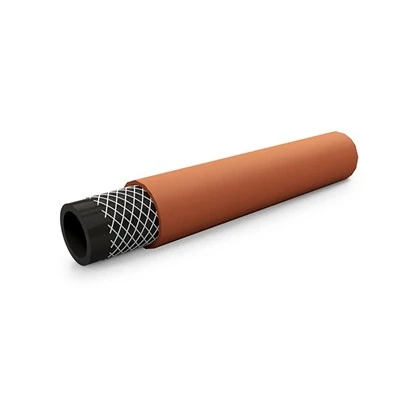
First off, let’s define what sewage actually is, because not all sewage is the same. Raw sewage is that gunk from toilets, sinks, and showers—think bacteria, solids, grease, chemicals from cleaning products, maybe even some industrial runoff if you’re dealing with commercial or municipal waste. Greywater, on the other hand, is the milder stuff from sinks, showers, and laundry—no toilet waste, way less harsh. That’s a key distinction right out the gate, because the hose you’d use for greywater isn’t going to cut it for raw sewage.
Now, can a rubber hose work for this? Short answer: yes, but only a specific type of rubber hose—your everyday garden hose, the cheap white rubber hose you use for watering plants? Nope, that’s a hard pass. Those are made for fresh water, they break down fast when exposed to sewage chemicals, get brittle, and might even leach gunk back into the waste (or worse, burst mid-transfer). The right rubber hose here is usually a heavy-duty, industrial-grade one, often called EPDM or nitrile rubber hoses—wait, let’s get into why those two matter, because that’s where a lot of people mess up.
EPDM rubber is super versatile, right? It’s resistant to weather, ozone, and a lot of mild chemicals. For greywater transfer, EPDM works decently—since greywater doesn’t have the harsh solids or strong chemicals you find in raw sewage. But raw sewage? EPDM might hold up for a little while if it’s not exposed to too much grease, but grease is a big enemy here. Raw sewage has fats, oils, and grease (FOG) from cooking, toilet paper, and other waste, and EPDM can absorb FOG over time, which makes it swell, get weak, and crack. That’s not ideal for a hose that’s moving waste, especially if you’re dealing with large volumes or long runs.
Then there’s nitrile rubber. Nitrile is the go-to for oil and chemical resistance, which is exactly what raw sewage needs. It’s way more durable against FOG, harsh cleaning chemicals, and even some mild industrial contaminants that might end up in sewage. Now, nitrile hoses aren’t as cheap as regular garden hoses, but they’re built to last—we’re talking years of use if you maintain them right, not a few months. But wait, there’s a catch here: not all nitrile hoses are rated for sewage transfer. A lot of nitrile hoses are made for things like fuel or hydraulic fluids, which don’t have the same biological load as sewage. So you need to look for a hose that’s specifically marked as “sewage-rated” or “wastewater transfer approved.” That’s non-negotiable—skipping that label can lead to leaks, bursts, or even contamination issues.
Let’s talk about what makes a rubber hose unsuitable, because that’s important to know. First, if it’s not rated for sewage, it might leach harmful chemicals. Cheap rubber hoses often have fillers or additives that aren’t meant to touch sewage, and over time, those can leach into the waste (which is a problem if you’re discharging it to a treatment plant, or if it’s leaking into the ground) or, worse, get into the hose’s material and break down faster. Then there’s pressure: sewage transfer isn’t just gravity-fed sometimes—if you’re pumping it, you need a hose that can handle the pressure. A regular rubber garden hose can’t handle 50+ PSI, which is common in sewage pumps, so it’ll blow out. That’s a mess no one wants to clean up. Also, flexibility: if you’re moving sewage around tight spaces, a rigid pipe might not work, but a hose that’s too stiff won’t bend without kinking. Sewage-rated rubber hoses are designed to be flexible enough for maneuvering but still tough enough to not kink under pressure.
Now, how to use a rubber hose for sewage transfer properly, because even the right hose will fail if you don’t maintain it. First, flush it after every use. That sounds obvious, but leaving sewage sitting in the hose is a recipe for bacteria growth, FOG buildup, and material breakdown. Just run clean water through it for a few minutes after each transfer. Second, store it correctly. Don’t leave it out in the sun—UV rays break down rubber fast, especially sewage-rated rubber which, while tough, isn’t UV-proof. Hang it up in a cool, dry place, away from chemicals or sharp objects that could puncture it. Third, inspect it regularly. Check for cracks, bulges, soft spots, or any signs of wear before every use. If you see damage, replace it immediately—don’t risk a burst hose mid-transfer.
Wait, let’s talk about who might use these hoses, because that gives context. Plumbers doing emergency sewage cleanouts? They often use heavy-duty rubber hoses because they need to maneuver around pipes and tight spaces. Septic tank services? Same thing—they’re moving waste from septic tanks to treatment facilities, so they need a hose that’s tough against FOG and solids. Even residential users who need to transfer sewage for small projects (like draining a septic tank for a new build) might use a rubber hose, but only the right one. Industrial sites that have wastewater discharge also use these, but they usually go for the highest-grade nitrile hoses to handle heavy contaminants.
Here’s a common mistake I see: people thinking any rubber hose will work, so they grab a cheap one from the hardware store. Big mistake. I’ve had customers come to us after their garden hose burst mid-sewage transfer, leaving a mess in their backyard—they had to spend way more on cleanup than they would have on a proper rubber hose. Another customer was using a nitrile hose for fuel, thought it would work for sewage, and it only lasted 3 months because it wasn’t rated for the biological components in sewage. That’s why the rating is so important—manufacturers test these hoses specifically for exposure to sewage’s unique mix of chemicals, bacteria, and solids, and that testing translates to durability and safety.
What about alternatives? Some people use PVC hoses, but PVC is rigid, can crack, and isn’t as flexible as rubber. Metal hoses are tough but heavy, expensive, and hard to maneuver. So for most people who need a flexible, cost-effective solution that can handle raw or grey sewage, a properly rated rubber hose is still the best bet—if you get the right one.
Now, let’s circle back to my role as a rubber hose supplier. I don’t just sell hoses—I make sure my customers get the right one for their job. If someone comes to me and says, “I need a hose for sewage transfer,” I don’t just push the priciest one. I ask: is this raw sewage or greywater? What’s the pressure it’ll be under? How often will you use it? Based on that, I’d recommend EPDM for greywater (if they’re on a budget, since it’s cheaper than nitrile) or nitrile for raw sewage (if they need durability for heavy use). And I always make sure to point them to the hoses that are specifically marked for sewage, not just general “heavy-duty.”
Let’s also address some safety stuff. Sewage has pathogens—E. coli, salmonella, all that fun stuff. A hose that breaks down can leak sewage, which is a health hazard, not to mention a big environmental issue if it gets into soil or water. So using the right rubber hose isn’t just about convenience—it’s about safety, for you, your team, and the environment. That’s why I always stress the rating—if a hose isn’t rated for sewage, it’s not worth the risk.
Wait, can you use a rubber hose for long-term sewage transfer? If it’s a properly rated, nitrile rubber hose, absolutely. I have customers who use our nitrile hoses for commercial sewage transfer for 5+ years, as long as they do the maintenance I mentioned earlier. The key is not cutting corners on the hose or the upkeep. A cheap hose might cost $20, but if it fails after a month, that’s $20 down the drain plus cleanup costs. A good sewage-rated rubber hose might cost $80, but it lasts years and saves you from all the hassle.
Another thing: temperature. Sewage can be hot sometimes—like from commercial kitchens where they’re washing dishes, the wastewater is warm to hot. Some rubber hoses can handle high temps, others can’t. If you’re dealing with hot sewage, you need a heat-resistant rubber, like synthetic rubber blends that can handle 140°F or more. That’s another detail to check—make sure the hose is rated for the temperature of the sewage you’re moving.
So to sum up: yes, you can use a rubber hose for sewage transfer, but only if it’s a heavy-duty, specifically rated one (EPDM for greywater, nitrile for raw sewage) that handles the chemicals, pressure, and temperature of your sewage. Skip the cheap garden hoses and general nitrile hoses for fuel—those won’t cut it. And don’t skip the maintenance, because even the best hose will wear out if you don’t care for it.
Now, if you’re not sure which hose is right for your sewage transfer project—whether it’s a residential septic job, a commercial cleanout, or industrial wastewater handling—don’t guess. Reach out to me, and I’ll help you pick the perfect rubber hose for your needs. No pressure, just real advice from someone who’s been in the rubber hose game for years, dealing with folks just like you who need a solution that works, not one that causes a mess.
Oil Suction and Discharge Hose References
- "Rubber Hose Selection for Industrial Wastewater Transfer," International Association of Plumbing and Mechanical Officials (IAPMO), 2022.
- "Properties of EPDM and Nitrile Rubbers for Chemical and Biological Exposure," Rubber Chemistry and Technology, Vol. 95, No. 3, 2021.
- "Septic System Maintenance Guidelines," National Ground Water Association (NGWA), 2023.
- "Pressure Ratings for Flexible Hoses in Sewage Applications," American National Standards Institute (ANSI), 2020.
Ningbo Haidu Auto Parts Co., Ltd.
As one of the most professional rubber hose manufacturers and suppliers in China, we’re featured by cheap products and good service. Please rest assured to buy durable rubber hose at competitive price from our factory. Also, OEM service is available.
Address:
E-mail: Sale6@sterlingautoparts.com
WebSite: https://www.cnsiliconehose.com/
