If you’ve ever shopped for hoses for industrial, commercial, or even heavy-duty personal use, you’ve probably seen terms like “elastomer hose” and “rubber hose” tossed around—and maybe you’ve wondered: are these just two ways to say the same thing, or are they totally different? Spoiler: they’re not. As a supplier of elastomer hoses, I talk to folks all the time who mix these two up, and that confusion can lead to picking the wrong hose for the job—whether that means a hose that wears out in 6 months instead of 5 years, or one that breaks down when you need it most. Today, I’m breaking down the real differences, why that matters, and when you should reach for each type (plus, why elastomer hoses might be the better pick for most tough jobs these days). Elastomer Hose

First, let’s get one tiny, important clarification out of the way: all rubber hoses are a type of elastomer, but not all elastomer hoses are rubber. Wait, let’s define that simply so it sticks. An elastomer is a polymer material that’s stretchy, bounces back after being pulled, and can flex without breaking. Think of a rubber band, a silicone phone case, even a super bouncy toy ball—all of those are elastomers. Natural rubber is one specific type of elastomer, made from the sap of rubber trees, and most basic rubber hoses are made from that. But there are dozens of other elastomers that aren’t rubber at all. That’s where things get interesting.
Let’s start with the old-school standard: basic rubber hoses. Most of the hoses you might’ve used for lawn care, simple garden tasks, or even basic automotive coolant lines a decade ago are made of natural rubber, or sometimes a cheap synthetic rubber like neoprene that’s just a step up. Natural rubber hoses are cheap, easy to source, and flexible—if you’re not pushing them too hard. But here’s the problem: natural rubber breaks down fast when exposed to heat, chemicals, or UV light. Leave a basic rubber hose sitting out in the sun all summer, and you’ll notice it gets sticky, then turns brittle, and cracks within a year. Same with using it for industrial chemicals, hot water, or even things like hydraulic fluid—natural rubber just can’t handle that kind of stress.
Then there’s elastomer hoses, which use engineered elastomers. These aren’t your grandma’s rubber. They’re lab-made (or refined natural rubber with additives) to perform specific jobs. Let’s list the key differences that actually matter for anyone buying hoses:
-
Material Composition & Flexibility (But Not the “Stretch Till It Breaks” Kind)
Basic rubber hoses are almost always 100% natural rubber, or a minimal blend of synthetics. That gives them a nice, soft flex for low-stretch tasks, but if you need consistent flex over millions of bends (like a hydraulic hose on a construction vehicle that’s moving back and forth all day), natural rubber wears out fast. Elastomer hoses, on the other hand, are made with tailored polymers—things like EPDM, nitrile, silicone, or even thermoplastic elastomers (TPEs) that are way more flexible under repeated stress. They don’t get “tired” from bending; they keep their shape and flexibility even after years of use. I’ve had customers tell me their elastomer hydraulic hoses last 5x longer than the rubber ones they used to buy, just because of that consistent flex. -
Resistance to the Elements & Chemicals
This is where the biggest gap shows. Basic rubber hoses (natural or cheap neoprene) can’t handle harsh conditions. UV light from the sun breaks down their molecular structure fast—so if you’re using a hose for outdoor equipment, a rubber hose will crack, leach chemicals, or even burst if you leave it out. Heat is another enemy: natural rubber starts to degrade above 180°F, and for hot water or high-temperature industrial uses, that’s a non-starter. Now, elastomer hoses: depending on the elastomer we use, we can build in specific resistances. For example, EPDM elastomer hoses are UV-resistant, so they can sit outside year-round without breaking down. Nitrile elastomer hoses (sometimes called Buna-N) are oil- and chemical-resistant, so they work for hydraulic lines, fuel transfer, or even cleaning solutions that would eat through a rubber hose. Silicone elastomer hoses handle extreme temperatures—like -100°F to 500°F—so they’re perfect for automotive engines or food-grade applications where you’re pumping hot liquids. I can’t tell you how many times a customer has called me after their rubber hose burst on a cold winter day, and switching to an elastomer hose fixed that issue entirely. -
Durability & Lifespan
Let’s be real: price is a factor, but so is downtime. If you’re a farmer relying on hoses for irrigation, a mechanic needing fuel hoses for a fleet of trucks, or a manufacturer pumping chemicals through hoses, a broken hose isn’t just an inconvenience—it can cost you thousands in lost production, repairs, or even safety hazards. Basic rubber hoses have an average lifespan of 1–3 years in moderate conditions, and less than a year if exposed to heat, chemicals, or UV. Elastomer hoses? We build them to last 5–10 years, sometimes even longer, because the engineered polymers resist wear, tear, and degradation. That’s not just a claim—we’ve got customers in construction that have been using our hoses for 8 years straight with no failures, where their old rubber hoses were being replaced every 18 months. -
Weight & Performance Under Pressure
A lot of people don’t think about weight, but for anyone handling hoses manually (like gardeners, landscapers, or warehouse workers), a heavy hose is a hassle. Basic rubber hoses are thick and dense, so they’re heavy when full of water or fluid. Elastomer hoses, especially thermoplastic elastomer (TPE) ones, are lighter and more flexible without sacrificing pressure resistance. They can handle higher PSI too—industrial rubber hoses might max out at 300 PSI, but our elastomer hydraulic hoses go up to 5,000 PSI, perfect for heavy-duty uses like lifting equipment or construction machinery. Also, rubber hoses can kink easily when you’re moving them, which restricts flow and can cause pressure buildup that makes them burst. Elastomer hoses have a “memory” that lets them bend without kinking, so they stay flexible and flow smoothly no matter how you’re using them.
Wait, but is there any time a rubber hose is better? Let’s be fair—this isn’t a “rubber is bad” rant. Basic rubber hoses are still the right pick for cheap, low-stakes jobs. If you need a temporary hose for a one-time garden project, or a cheap backup for a small water line, a rubber hose works just fine. They’re less expensive upfront, so if you’re not going to use them heavily, or replace them every year anyway, that’s a good call. The mistake people make is using a rubber hose for a job it’s not designed for—like running hydraulic fluid, or leaving it outside all year. That’s when you end up with a broken hose, wasted money, and headaches.
Now, as someone who supplies elastomer hoses, let’s talk about why we see so many people making that mistake. A lot of supply stores still stock basic rubber hoses because they’re cheap and easy to ship, but they don’t tell you the real differences. Elastomer hoses cost a bit more upfront, but when you factor in how much longer they last, less downtime, and fewer replacements, they actually save you money in the long run. That’s the angle I push with every customer: it’s not about spending more, it’s about spending smarter.
Let me give a quick example. Say a small farm needs 10 irrigation hoses. A rubber hose costs $20 each, so 10 is $200, and they need to replace them every 2 years. Over 10 years, that’s $1,000. An elastomer irrigation hose costs $35 each, 10 is $350, and they last 10 years. That’s a $650 difference, plus no downtime waiting for replacements. For a larger operation, that number is way bigger. We had a manufacturing client last year that was going through 50 rubber chemical hoses a year at $50 each, totaling $2,500. Switching to our nitrile elastomer hoses cut their annual hose cost to $800, and they haven’t had a chemical leak in 2 years—something they dealt with monthly before.
Another big point: safety. Basic rubber hoses can leach chemicals when they break down, which is a problem for food and beverage applications, or even drinking water lines. Elastomer hoses, especially food-grade ones made with silicone or EPDM, are non-toxic and meet strict safety standards, so you don’t have to worry about that. For industrial uses, a burst rubber hose can spray hot fluid or hydraulic oil, creating a slip hazard or fire risk. Elastomer hoses are designed to contain that pressure, so they’re safer for workers too.
Now, let’s clear up a common myth: some people think “elastomer” is just a fancy word for “rubber,” but as I said earlier, it’s a whole category. Rubber is one type of elastomer, but elastomer hoses are a broader category of performance-focused hoses built for specific needs. That’s why you’ll see elastomer hoses for everything from medical devices (silicone hoses for IV lines) to aerospace (high-temperature elastomer hoses for engines) to construction (hydraulic hoses). They’re engineered, not just molded from raw sap, so each one is built for a purpose.
So, when should you pick which? If it’s a low-stakes, short-term job: go with rubber. If it’s heavy-duty, outdoor, chemical, pressure, or long-term use: go with elastomer. If you’re not sure, just ask a supplier like us—we can help you match the right hose to your exact job, instead of you guessing and ending up with the wrong one.
At the end of the day, the biggest mistake I see is people choosing a hose based just on price or what’s on the shelf, instead of what their actual needs are. A hose is a small part, but it’s a make-or-break part for so many operations. I’ve seen construction crews stuck on a job site for 2 days because a rubber hydraulic hose burst, costing them thousands in labor delays. I’ve seen restaurants with spoiled food because a rubber water hose in their ice machine leaked, contaminating a batch. Elastomer hoses solve that problem.
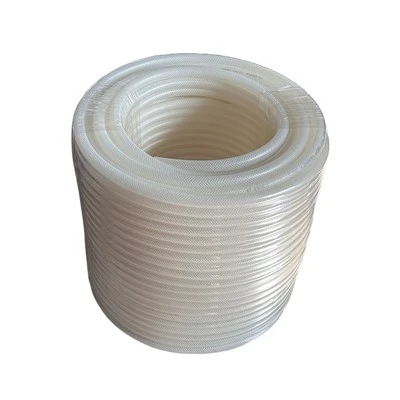
If you’re tired of replacing hoses every few months, dealing with leaks, or worrying about them failing when you need them most, reach out to us. We can talk through your specific application—whether it’s irrigation, hydraulic lines, chemical transfer, food and beverage, or anything else—and help you find the right elastomer hose that fits your budget and needs. No hard sells, just honest advice from someone who’s been in this industry for years, and knows how frustrating it is to have a hose let you down.
PVC Hose References:
- ASME B106.1M-1985, “Performance Standard for Hydraulic Hose and Hose Assemblies”
- ASTM D1566-22, “Standard Terminology Relating to Rubber and Elastomer Materials”
- Rubber Manufacturers Association, “Elastomer Hoses: Selection Guide for Industrial Applications”
- Occupational Safety and Health Administration (OSHA), “Industrial Hose Safety Guidelines for Chemical and Pressure Applications”
Taizhou Yuanying Plastic Technology Co., Ltd.
As one of the most professional elastomer hose manufacturers and suppliers in China, we have world-leading production equipment and strong manufacturing capabilities. Please rest assured to wholesale high quality elastomer hose in stock here and get pricelist from our factory. Customized orders are welcome.
Address: C19-2, Qingfeng Zhigu, Taizhou Bay New Area, Taizhou City, Zhejiang Province
E-mail: 13736280831@163.com
WebSite: https://www.cn-yuanying.com/
