If you’re like many of our customers, you’ve probably thought of pastries as a treat best saved for special occasions—something rich, sugary, and a little indulgent. But as a dairy-based pastries supplier, I’m here to tell you that doesn’t have to be the case. For years, we’ve built our brand around pastries that use high-quality dairy as a foundation, not just a way to add creaminess, and today I want to break down what makes a dairy-based pastry truly healthy, why that matters, and how we craft ours to fit that standard. Dairy-Based Pastries
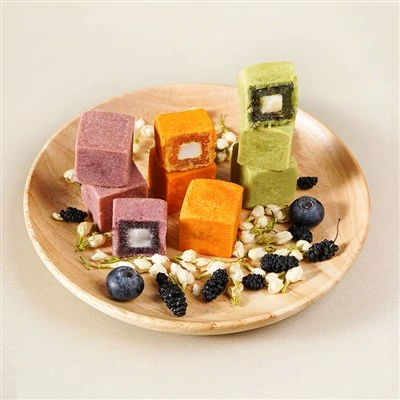
First, let’s get one thing straight: “healthy” doesn’t mean boring, flavorless, or lacking the textures that make pastries feel like a warm hug. It means pastries that nourish your body, support energy levels, and avoid the processed additives that leave you feeling sluggish an hour later. The biggest difference between a standard pastry and a healthy dairy-based one starts with the ingredients—especially the dairy itself. Most conventional pastries use hydrogenated fats, artificial flavors, and refined sugars, but we prioritize real, minimally processed dairy: full-fat milk, unsalted butter, and fresh cream from small, local farms. These aren’t just “better for you”—they’re the reason our pastries taste richer, more authentic, and more satisfying.
Let’s talk about nutrition, because that’s at the core of what makes a pastry healthy. Dairy is a complete protein source, meaning it contains all nine essential amino acids your body can’t make on its own. A single serving of our plain butter croissant, for example, has 6 grams of protein from the butter and milk solids—more than a handful of granola bars often marketed as “protein-packed.” That protein helps keep you full, so you don’t reach for a candy bar mid-morning or mid-afternoon. Dairy also has key vitamins: vitamin A for eye health, vitamin D (when we use fortified milk), and B12 for nerve function. Plus, it’s a natural source of calcium, which most adults don’t get enough of—one croissant gives you 8% of your daily calcium needs, no supplements required.
But it’s not just about protein and vitamins. A healthy dairy-based pastry avoids the refined flour and added sugars that spike your blood sugar. We use whole-grain flours, like spelt or einkorn, which have fiber that slows down sugar absorption. For sweeteners, we don’t use high-fructose corn syrup or artificial sweeteners; instead, we use small amounts of organic cane sugar or even date puree, which has fiber and minerals that table sugar lacks. Take our raspberry cream scone: it’s made with whole-wheat flour, fresh raspberries, a touch of maple syrup, and heavy cream, not processed cream cheese or artificial flavorings. One scone has 4 grams of fiber, compared to just 1 gram in a standard scone from a chain bakery—and it still has that buttery, crumbly texture and sweet-tart flavor everyone loves.
Another key factor is fat quality. Conventional pastries often use palm oil or hydrogenated vegetable oils, which are high in trans fats that raise bad cholesterol. Our dairy-based pastries use unsalted butter from grass-fed cows whenever possible, which has omega-3 fatty acids and conjugated linoleic acid (CLA)—both of which support heart health. Grass-fed butter also has more vitamin K2, which helps keep calcium out of your arteries and in your bones. I remember a regular customer, a high school teacher named Maria, who told us she used to skip pastries entirely because they made her feel jittery and hungry. When she tried our whole-grain butter shortbread, she said she could eat one with her coffee and be full for two hours, no crash. That’s the difference between healthy fats from dairy and the artificial fats in most other pastries.
Of course, there’s more to a healthy dairy-based pastry than just good dairy and whole grains. We also pay attention to portion sizes. A standard pastry often weighs 150 grams or more, with 30 grams of sugar—way more than the recommended added sugar for a single snack. Our pastries are portioned to 80-100 grams, with no more than 8 grams of added sugar. Our almond milk danish, for example, has sweetened almond paste made with just 5 grams of added sugar, so it’s sweet without being cloying. We also don’t use preservatives; all our pastries are made fresh daily, so you’re not eating ingredients you can’t pronounce.
Wait, you might be wondering—what about lactose? For people who are lactose intolerant, dairy-based pastries can feel off-limits, but there are solutions. We use cultured dairy products, like sour cream or kefir, in some of our pastries, and the fermentation process breaks down lactose, making it easier to digest. Our sour cream coffee cake is a big hit with lactose-sensitive customers because the fermented sour cream has almost no lactose left. We also offer low-lactose options made with lactose-free milk, so no one has to miss out on a healthy dairy-based pastry.
Let’s be clear: this isn’t about demonizing all indulgences. Our chocolate croissant, made with dark chocolate and butter, is still a treat—but it’s a treat that gives you something, not just empty calories. We source our dark chocolate from fair-trade farms, too, so it’s not just good for you, it’s good for the communities that grow it. That’s another part of being a responsible supplier: we prioritize sustainable, ethical ingredients that benefit both our customers and the planet.
As a dairy-based pastries supplier, we’ve spent years testing and refining our recipes to make sure they balance health and flavor. We don’t cut corners on taste, because we know if a pastry doesn’t taste good, no one will bother to choose it over a less healthy option. That’s why we don’t use artificial flavors or fillers—real butter tastes better than any fake butter substitute, fresh milk is creamier than milk solids, and whole grains add a nuttiness that refined flour can’t match.
If you’re a café owner, a grocery store buyer, or someone looking to stock healthy pastries for your staff or customers, we’re here to help. Our dairy-based pastries are versatile enough to fit into any menu: you can pair a plain butter croissant with a savory breakfast egg, a scone with afternoon tea, or a chocolate pastry as a dessert option. We also offer customizations, so you can add seasonal fruits, like strawberries in the spring or pumpkin in the fall, to make your offerings stand out.
We believe that healthy food shouldn’t be a niche. Pastries are meant to bring joy, to start the day on a good note, or to mark a small celebration. But they can do that without leaving you feeling guilty or run down. If you’re interested in learning more about our dairy-based pastries, or in sourcing them for your business, reach out to us to discuss your needs. We’re happy to share sample recipes, talk about our ingredient sourcing, and help you find the right products for your customers.
Moon Cake References
- USDA FoodData Central. (2024). Composition of foods: Dairy products. U.S. Department of Agriculture.
- Mozaffarian, D., et al. (2017). trans Fat consumption and cardiovascular disease, mortality, and pregnancy outcomes: A systematic review and meta-analysis. Journal of the American College of Cardiology.
- National Institutes of Health. (2023). Calcium and bone health. Office of Dietary Supplements.
- Slavin, J. L. (2013). Fiber and prebiotics: Mechanisms and health benefits. Nutrients.
- Hau, A. K., et al. (2019). The role of omega-3 fatty acids in cardiovascular health. Nutrients.
Fujian Luchen Food Co., Ltd.
As one of the most professional dairy-based pastries manufacturers and suppliers in China since 1986, our products have good reputation in the market. Please feel free to wholesale bulk delicious dairy-based pastries from our factory. Good service and quality products are available.
Address: No.19, Shangxipulou, Nansheng Town, Pinghe County, Zhangzhou City, Fujian Province
E-mail: service@xmnahan.com
WebSite: https://www.luchenbakery.com/
