Hey everyone, let’s cut to the chase—if you’re outfitting a kitchen, you probably spend way too much time scrolling through cabinet material specs, arguing with contractors about water resistance, and second-guessing every choice because one wrong pick can turn a $5k reno into a water-damaged nightmare. As a blockboard supplier who’s answered this exact question a hundred times, I get the confusion: blockboard has that solid wood vibe but comes with a price tag way lower than plywood or solid hardwood. Is it actually kitchen-worthy, or just another material that looks good on Instagram but falls apart after a year of spills? Let’s break this down like we would with a regular customer in my warehouse—no fancy jargon, just real talk. Blockboard
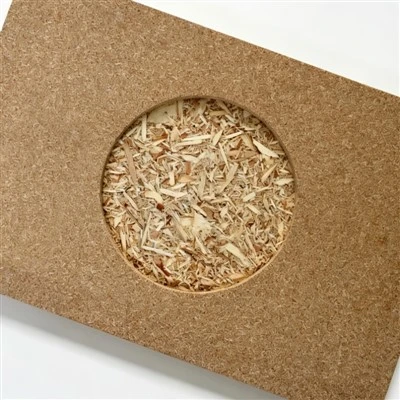
First, let’s recall what blockboard even is, because half the time people mix it up with particleboard or MDF. Blockboard’s core is those big, solid wood strips (usually pine, poplar, or sometimes even oak) glued side by side, not pressed wood chips. Then there’s a thin veneer of hardwood or laminate on both sides, right? That structure is its superpower and its weak point, depending on how you use it. For kitchens, the big threats are water, heat, impact, and everyday wear—so let’s test blockboard against each one.
Water is kitchen public enemy number one. Think about it: a spilled pot of pasta water, a dripping faucet under the sink, steam from a coffee maker, even damp mops leaning against cabinets. Unlike MDF, which swells up like a sponge at the first drop of water, blockboard’s solid wood core is way more resistant. I’ve had a customer come back last year who left a leaking pipe under his sink for three days, and his blockboard cabinet base was only a little warped on the surface—nothing a sanding and new laminate fix couldn’t handle. Particleboard? That would have turned into a mushy mess by day two. That said, “resistant” doesn’t mean “waterproof.” If you leave a puddle sitting on the edge of a countertop made from unfinished blockboard, the core will absorb it and swell. The key here is proper sealing. My suppliers always treat our blockboard with a water-resistant sealant before we send it out, and we tell every customer to add a layer of polyurethane for countertops. Skip that, and you’re asking for trouble.
Next up: heat. Kitchens have hot stuff—pans off the stove, oven mitts that leak, even coffee pots that leave steam on the edge of a countertop. Blockboard’s wood core can handle moderate heat, but it’s not going to survive a hot pan (like, 400+ degrees) set directly on it. I see this mistake all the time: customers put a cast-iron skillet straight on their blockboard counter and come back a week later with a big burn mark on the veneer. But if you use trivets, pot holders, or even just a silicone mat, blockboard holds up way better than laminate countertops, which can bubble and peel at high heat. It’s also way more stable than solid wood when it comes to temperature changes—solid oak cabinets can expand or shrink a little with seasonal humidity, but blockboard’s strip core and veneer make it way less likely to warp from a quick blast of heat or cold.
Then there’s impact. If you’re a busy home cook, you’re probably dropping knives, saucepans, cans—stuff that can ding or scratch countertops or cabinet doors. Blockboard’s thick core makes it way more durable than, say, thin laminate or even some plywood. I’ve had a customer drop a full 10-pound can of tomatoes on his blockboard counter and there was barely a scratch; the same drop would leave a dent on laminate. That said, it’s not indestructible. If you drop a heavy cast-iron pot on the same spot twice, you’ll get a dent, same as any wood-based material. But for regular kitchen wear—opening and closing cabinets, bumping into counter edges with a cart—blockboard is tough enough.
Wait, but let’s talk about the downsides, because I’m not here to sell you something that’s a bad fit. First, cost. It’s cheaper than solid hardwood (like oak or maple) but a little more expensive than particleboard or basic laminate. If you’re on a super tight budget, particleboard with a laminate veneer might be cheaper, but you’ll sacrifice durability. Second, finishing. Blockboard’s core has gaps between the wood strips, right? If you’re using it for a countertop edge or a cabinet door edge, you need to fill those gaps before adding veneer or paint. Skip that, and the edges will look fuzzy or uneven. Third, availability. Not every supplier carries blockboard in a wide range of veneers, but as someone who works directly with mills, I can get you oak, walnut, cherry, even laminate-finished blockboard so you don’t have to do the work yourself.
Let’s also cover specific kitchen uses, because not every part of the kitchen needs the same material. For cabinet boxes: blockboard is perfect here. Most cabinet boxes are hidden anyway, so you can go with a mid-range veneer, and its water resistance means it’ll hold up under the sink and near the dishwasher. For countertops: if you’re okay with a little more maintenance (sealing every year or so) and not setting hot pans directly on it, blockboard is a great choice. It has a nicer, more natural look than laminate, so it’ll add warmth to your kitchen without the solid hardwood price tag. For backsplashes? Probably not—backsplashes take a lot of water splashes, and you’d have to seal the edges really well to prevent water from seeping into the blockboard core. Stick to tile or quartz for backsplashes, save blockboard for the parts that matter.
Now, let’s clear up a myth I hear all the time: “Blockboard is just plywood with thicker strips.” No, actually—plywood is made of thin wood layers glued crosswise, which makes it super stable but sometimes prone to delamination if it’s not made right. Blockboard’s solid core and two thin veneers give it more of a solid wood feel, and it’s less likely to delaminate from everyday wear. I’ve had customers who switched from plywood cabinets to blockboard tell me the blockboard feels sturdier, more solid when you close a cabinet door. That’s the core difference.
Another thing: eco-friendliness. A lot of customers care about that these days. Our blockboard is made from sustainably sourced pine and poplar, no harmful formaldehyde glues (we use low-VOC adhesives, which are safer for your home). Solid hardwood is also sustainable, but blockboard uses less wood—since it’s made of strips, not solid planks—so it’s a better pick if you’re trying to reduce your carbon footprint. That’s a big selling point for a lot of my regular customers who are into green builds.
Wait, what about wear and tear over time? I’ve been doing this for 8 years, and I’ve seen blockboard kitchens that are 10 years old and still looking good. The key was sealing them properly, not leaving water sitting on surfaces, and not dropping heavy things all the time. One customer in a rental property had blockboard cabinets in his kitchen for 7 years, and when he moved out, the only damage was a tiny scratch on one door from a moving box. Another customer had a blockboard countertop that started to show signs of wear after 5 years, but it was easy to sand down and refinish, way cheaper than replacing a countertop. Compare that to laminate, which starts to bubble and peel after 3-4 years in a busy kitchen, and solid hardwood, which requires more sanding and refinishing work.
Now, when is blockboard NOT a good fit for kitchens? If you’re a professional chef who cooks 10 meals a day, drops heavy pans constantly, and leaves a puddle of water on your counter every night, maybe go with quartz or solid hardwood. If you’re on a budget of under $1,500 for a full set of cabinets, particleboard is cheaper, but just know it won’t last as long. If you’re looking for a material that’s 100% waterproof, blockboard isn’t it—you need to go with tile or stainless steel for that.
So, putting it all together: blockboard is suitable for kitchens, as long as you use it the right way. It’s durable, water-resistant enough for everyday kitchen messes, more affordable than solid hardwood, and has a nicer look than laminate. The catch is proper sealing, choosing the right parts of the kitchen for it, and not expecting it to survive extreme abuse.
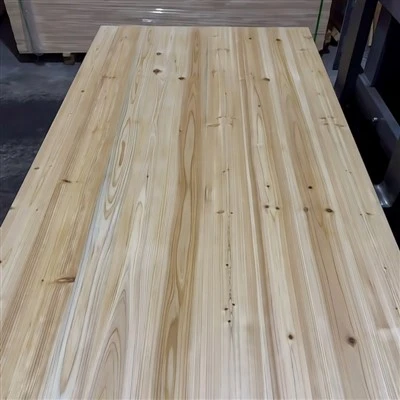
If you’re currently planning a kitchen reno and want to learn more about how blockboard can fit your space, feel free to reach out. We can walk through your specific needs, show you samples of the different veneers we carry, and help you figure out the best way to install and maintain blockboard for your kitchen. No pressure, no sales pitches—just real advice from someone who’s been in the business for years.
Melamine Blockboard References:
- Wood Database. "Blockboard Properties and Uses." 2022.
- National Kitchen and Bath Association. "Cabinet Material Durability Guide." 2023.
- Environmental Protection Agency. "Low-VOC Adhesives for Wood Products." 2021.
- Wood Industry Association. "Sustainability of Engineered Wood Products." 2022.
Jiangshan Shunlong Wood Industry Co., Ltd.
As one of the most professional blockboard manufacturers and suppliers in China, our products have good reputation in the market. Please feel free to wholesale bulk blockboard in stock here and get quotation from our factory. We also accept customized orders.
Address: No.7 Jinfeng Road, Jintangshan Industrial Zone, Hecun Town, Jiangshan City, Quzhou City, Zhejiang Province
E-mail: 17858202655@163.com
WebSite: https://www.shunlongwood.com/
